

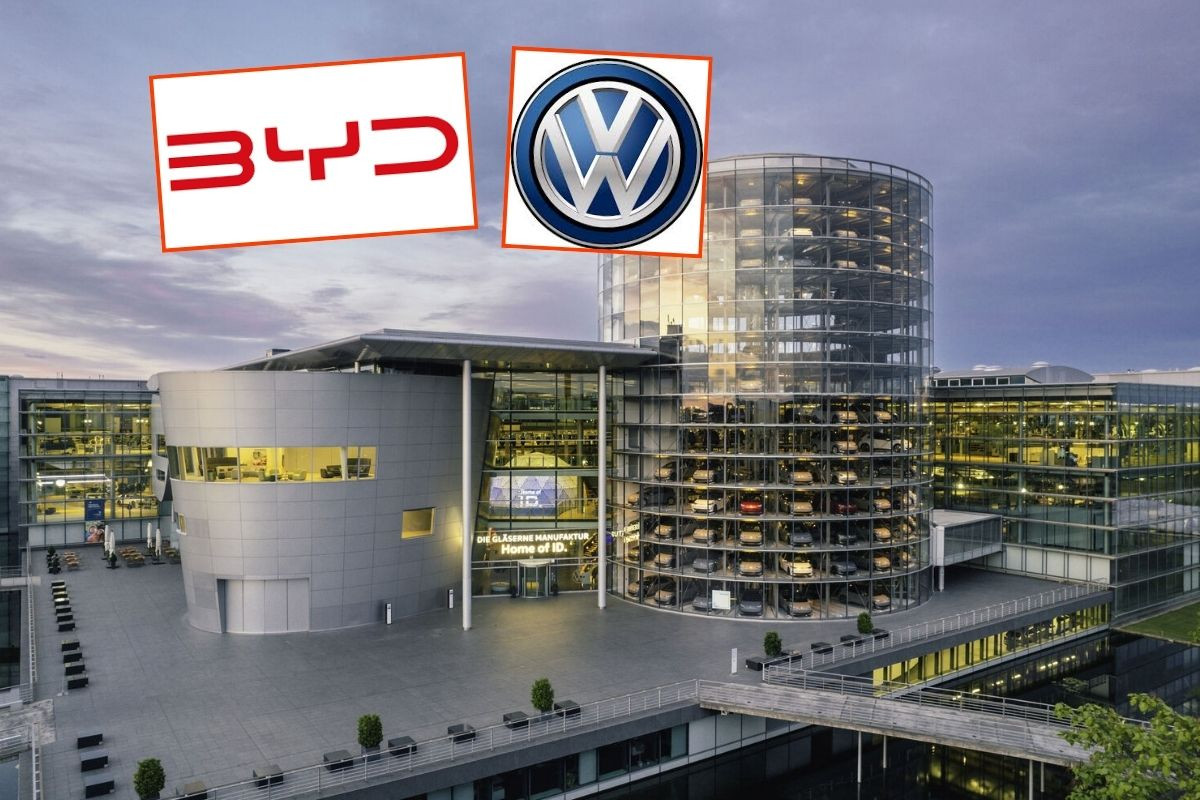
Chinese electric-vehicle maker BYD is moving toward a step that could reshape the European market. Reports indicate that the company is in talks to take over a section of Volkswagen's iconic "Transparent Factory" in Dresden. The arrangement reportedly does not cover the entire facility — BYD would only use a defined production area, while the remainder of the plant will be repurposed by Volkswagen for other projects. BYD is expected to actively use the line for vehicle production.
The German automotive group reportedly plans to convert the Dresden facility into a research, technology development and innovation hub rather than a traditional production center. Handing part of the plant to BYD therefore is not a capacity squeeze for Volkswagen — it frees space for innovation investment in lieu of underused production activity. For BYD, the site is the route to attaching a "Made in Germany" label to its vehicles, a label that strengthens brand recognition and positioning in the European market.
BYD's aggressive European expansion is driven by the EU's additional tariffs on Chinese-made electric vehicles. The company is building local production capacity to bypass those barriers — after plants in Hungary and Türkiye, Germany would mark the third strategic node on BYD's European production map. The market impact is already visible in sales data: BYD sold 3,438 vehicles in Germany in March 2026, a 327% year-over-year increase.
From a supply chain perspective, BYD landing in Dresden signals that Europe's automotive supply map is being redrawn. Chinese OEMs setting up European production opens new competitive ground in the Tier-1 and Tier-2 supplier base — German suppliers gain the option of running parallel programs for legacy customers and new Chinese OEMs, while Volkswagen's capacity easing may trigger renegotiations of local supplier contracts. Punching through the EU tariff wall via the "Made in Germany" label requires Chinese makers to build a genuine local value chain; the Dresden site could be the first showcase of BYD operating in close integration with German suppliers.
Key Takeaways:
1. BYD is in talks to take over a defined production area at Volkswagen's Dresden Transparent Factory — the deal would not cover the entire facility.
2. Volkswagen plans to repurpose the remainder as a research, technology and innovation hub.
3. BYD's aim is to attach a 'Made in Germany' label, bypassing EU tariffs on Chinese-origin EVs and strengthening brand recognition in Europe.
4. BYD's German sales reached 3,438 vehicles in March 2026, a 327% year-over-year increase.
5. After plants in Hungary and Türkiye, Germany would be BYD's third strategic node on its European production map; the local Tier-1/Tier-2 supplier landscape is being redrawn.

