

Mass-Market Brands Must Sell 12 to 3,400 Cars to Match the Operating Profit Ferrari Makes Per Single Vehicle
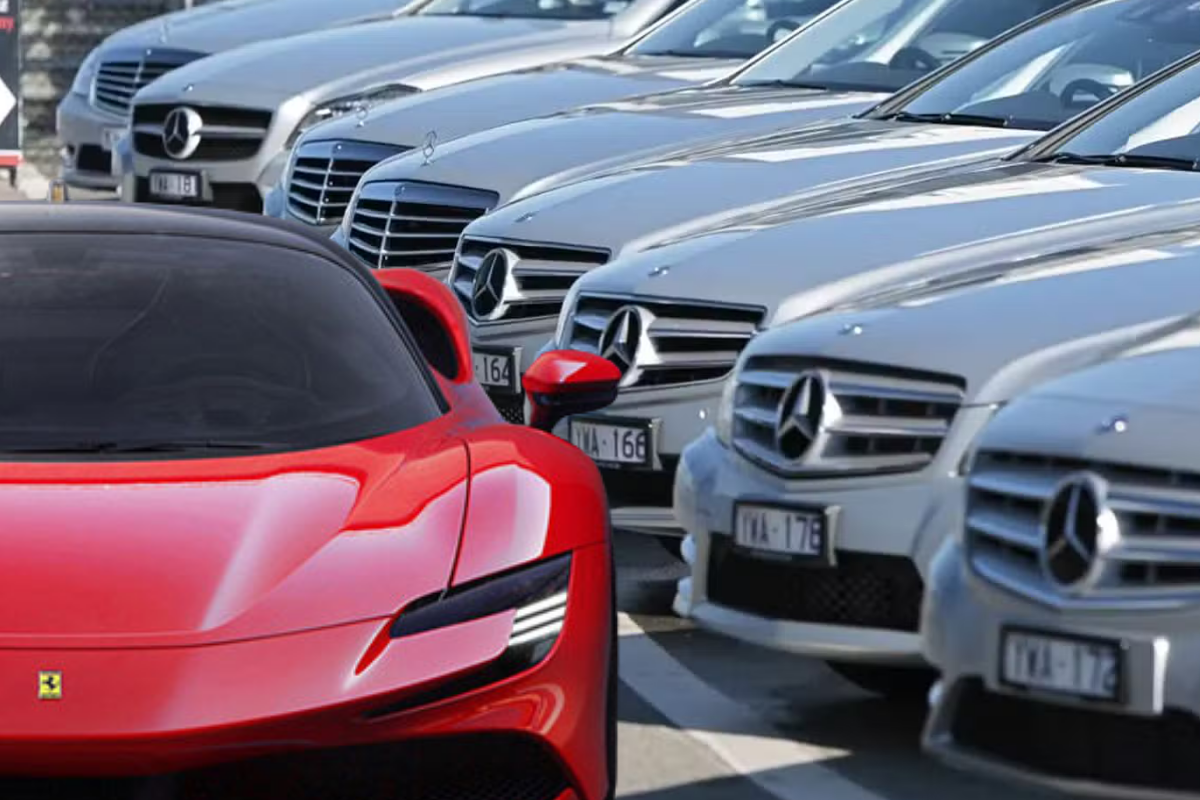
Italian luxury sports car maker Ferrari has, per Patronlar Dünyası's report of a Car Industry Analysis study using 2025 financial data, again exposed the profitability gulf in the auto industry. The headline figures: to match the operating profit Ferrari makes per single vehicle, Jaguar Land Rover must sell roughly 12 cars, Tesla 38, Mercedes-Benz 45, BMW 55, Toyota 61, Volkswagen 126, Ford 592 and Mazda over 3,400. Chinese OEMs also feature: BYD ≈ 88, XPENG ≈ 156 and Geely ≈ 351.
The structural levers behind the picture: a “scarcity strategy”, strong pricing power, deep personalisation options and a powerful brand perception. Car Industry Analysis argues Ferrari's business model resembles luxury fashion houses more than a traditional automaker: production volume is held flat, the waiting list is allowed to extend, and a limited model lineup plus annual production quotas keep prices structurally elevated. By contrast, mass-market makers such as Toyota, Volkswagen, Renault, Ford and Hyundai operate on low-margin / high-volume strategies, building competitive advantage on economies of scale, supplier consolidation and production efficiency — which structurally compresses per-unit profitability in their financial reports.
From a supply chain standpoint the picture is even more instructive: Ferrari's supplier ecosystem is optimised for low-volume / high-value components, with extensive hand assembly and bespoke paint / interior trim workshops keeping operating conditions tightly controlled — taxes, freight and FX volatility barely move per-unit margins. In mass-market makers, by contrast, logistics, customs, chip supply and battery/commodity price moves account for a meaningful share of every unit's cost; the Volkswagen 126 and Mazda 3,400+ data points are direct consequences of that structural sensitivity. The fact that Chinese OEMs, with their EV volumes, place BYD at 88 — above Tesla — illustrates how stark China's vertically integrated EV supply chain advantage on scale and cost has become; yet a single Ferrari still equals the operating profit of 88 BYD EVs, one of the clearest signals of how hard it will be for Chinese makers to attack the premium EV segment over the next five years on a per-unit margin basis.
Key Takeaways:
1. Car Industry Analysis 2025 data: to match a single Ferrari's operating profit, JLR sells 12, Tesla 38, Mercedes 45, BMW 55, Toyota 61, VW 126, Ford 592 and Mazda 3,400+ cars.
2. Chinese OEMs: BYD 88, XPENG 156, Geely 351 — even with high EV volumes they fail to match a single Ferrari.
3. Ferrari's business model resembles luxury fashion more than a traditional automaker: scarcity strategy + pricing power + personalisation + brand perception.
4. Supply chain divergence: Ferrari runs a low-volume / high-value component ecosystem; mass-market makers carry logistics + customs + chip + battery as a major share of unit cost.
5. Strategic read: China's vertically integrated EV supply chain (BYD>Tesla) is decisive on scale and cost, but attacking the premium EV per-unit margin segment with the Ferrari template remains extremely hard.

