

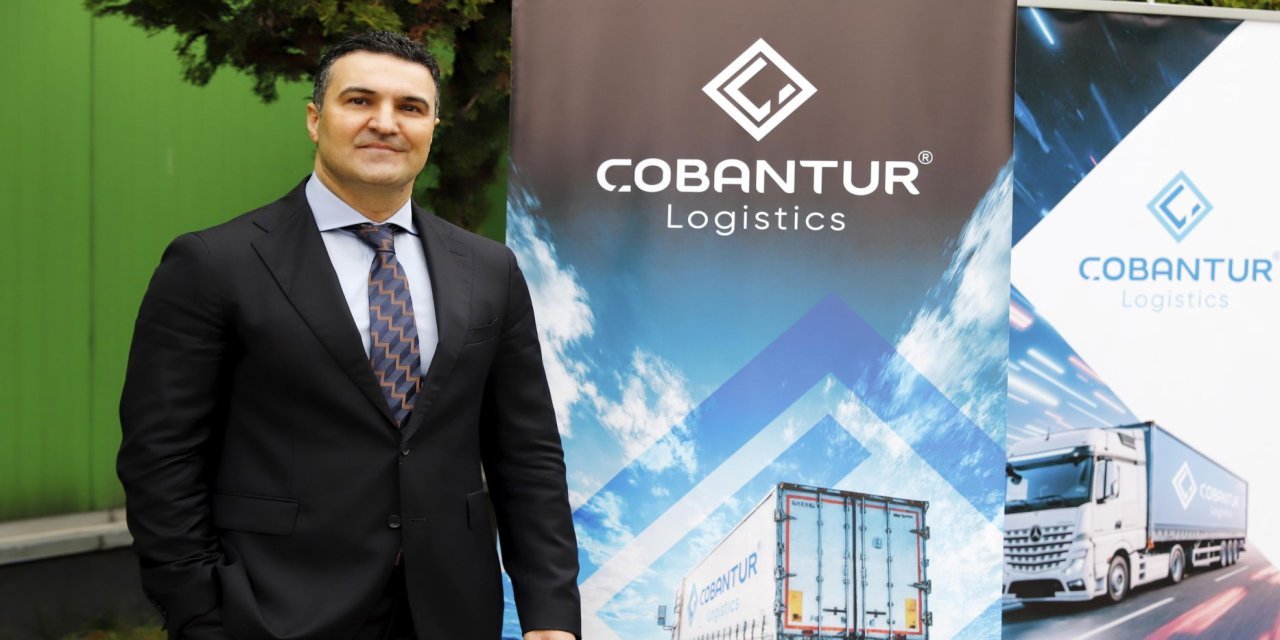
Cobantur Logistics has anchored its 2026 operational strategy on less-than-truckload (LTL) transport. The company says its sector-focused structure delivers customised transport plans and operational efficiency. The end-to-end service model linking Türkiye and Europe is designed to adapt quickly to current customer expectations and sectoral shifts.
The new model aims to manage LTL flows in a more integrated, planned and efficient manner. The company argues that the sector-focused approach generates economies of scale on LTL volumes while supporting margin in specific segments. Cobantur said it is focused on growing LTL volumes by strengthening road transport operating capability.
Company officials emphasise that supply chain disruption and cost pressure have created uncertainty across the sector and that they are responding with rapid mitigation steps. With European road freight repricing in the 8–12% range in the first half of 2026 amid higher fuel and tolls, the sector-focused LTL model is expected to improve cost predictability for customers.
Türkiye's role in the European logistics corridor has become more visible with the renewed permit regime and digital customs infrastructure of the past two years. Cobantur's new model, with sector-specific routing and shipment plans, is read as a move that supports this trend on the customisation side.
Key Takeaways:
1. Cobantur Logistics has built its 2026 strategy around less-than-truckload (LTL) transport.
2. The Türkiye-Europe service model offers sector-focused, customised plans.
3. The company aims to grow LTL volumes by strengthening road transport operating capability.
4. European road freight is repricing in the 8-12% range in the first half of 2026.
5. The new model promises better cost predictability on the customer side.

