

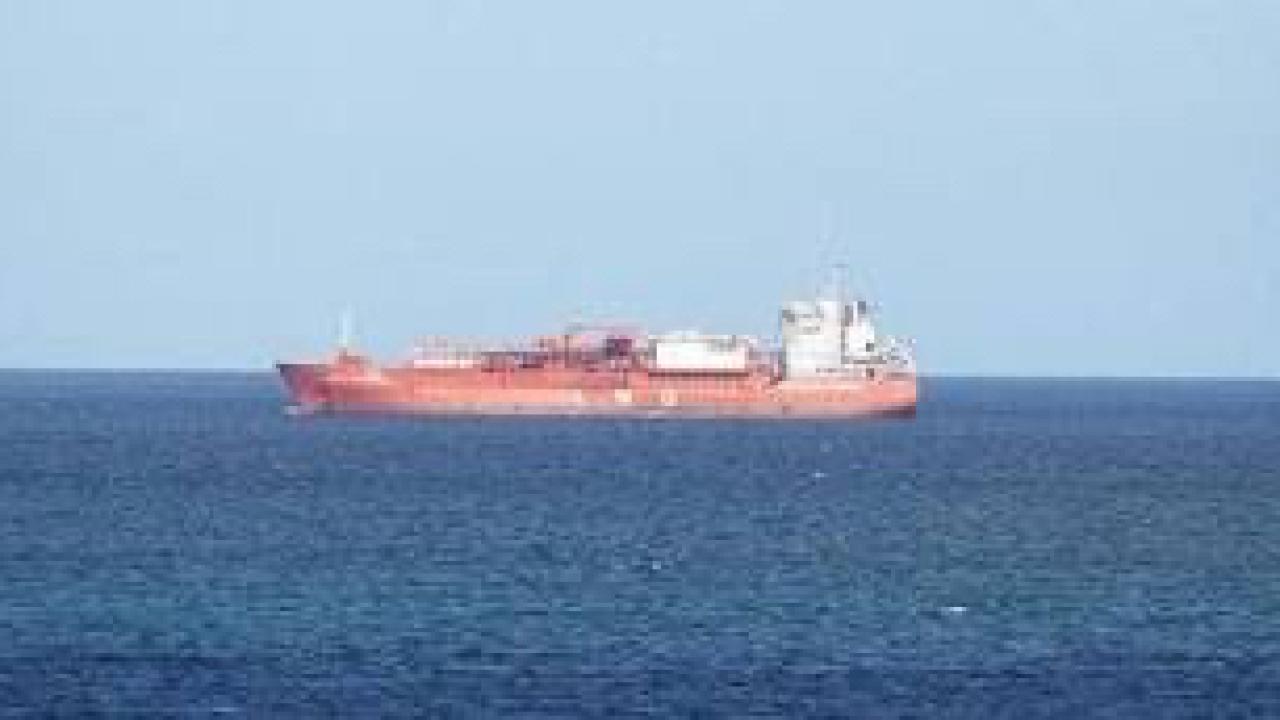
US Central Command (CENTCOM) chief Admiral Brad Cooper announced that the 42nd commercial vessel attempting to break the blockade on Iran has been successfully turned back. In his statement, Cooper said 41 tankers carrying 69 million barrels of oil the Iranian regime cannot sell are currently stranded, representing more than $6 billion in lost revenue for Tehran.
According to Cooper, the blockade is steadily halting Iran's oil exports and limiting its capacity to buy oil and weapons. The commander said US forces remain committed to enforcing the blockade in full and called the work American troops are doing to prevent maritime trade out of Iranian ports 'extraordinary'.
The remarks come at a time when the tanker market around the Strait of Hormuz is repricing ballast positions and insurance premiums. With ballast ratios already running high in the VLCC and Suezmax segments, the disruption of Iran-origin cargoes is pushing small and mid-sized buyer countries toward Brent-style alternative benchmarks. Asian refiners, in turn, have accelerated their search for alternative supply sources.
The blockade has emerged as a central variable for supply chains and the maritime insurance sector through 2026 as the Iran-Israel and Iran-US tension cycle deepens. Additional sanctions proposals on the Senate floor and in European parliaments will shape in the coming weeks whether the blockade hardens into a permanent mechanism.
Key Takeaways:
1. Admiral Cooper said the 42nd commercial vessel under the blockade has been turned back.
2. 41 tankers are stranded with 69 million barrels of Iranian oil; estimated revenue loss tops $6 billion.
3. Washington aims to limit Iran's oil exports and its capacity to buy oil and weapons.
4. Ballast ratios and insurance premiums are being repriced around the Strait of Hormuz.
5. Asian refiners have accelerated their search for alternative supply sources.

