

Crude Oil Tanker Market on Ballast Alert: 55% of VLCC Fleet Sailing Empty as Hormuz Crisis Turns Into Demand Shock
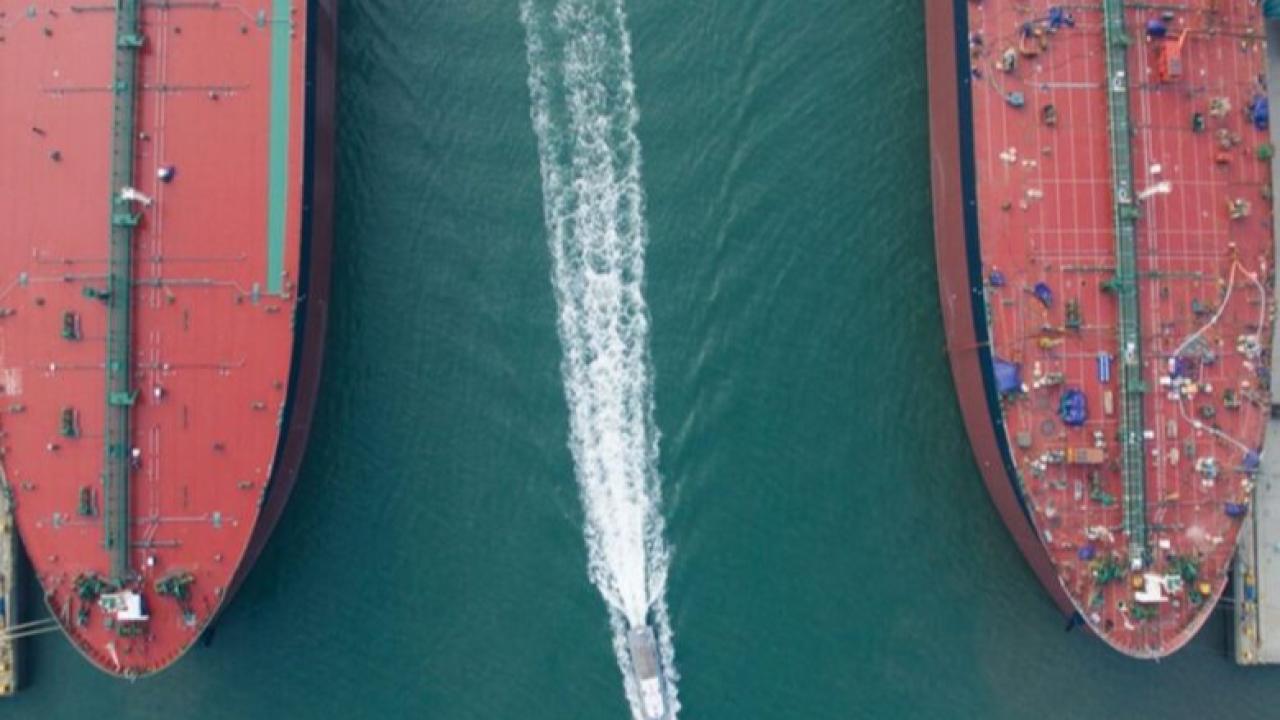
An extraordinary build-up of ballast tankers is unfolding simultaneously across all main segments of the crude oil tanker market — a sign that geopolitically driven disruptions have hardened into a deep demand crisis.
According to Sentosa Shipbrokers, about 55% of the VLCC fleet is currently sailing in ballast, while the share has reached 51% for both suezmax and aframax tankers. Crossing the 50% mark in all three main segments at once is an unusual development for the market.
After the Strait of Hormuz closure of 60 days, freight rates initially rose on the back of higher risk premiums and routing inefficiencies. That gain quickly gave way to declines as cargo availability tightened. Sentosa noted that global seaborne crude oil exports have fallen 19% since the start of the conflict, with refined products also under similar strain.
Industry analysts say a normalization of ballast ratios will require an improvement in security conditions on the Hormuz route and a recovery of Asian demand. In the current picture, VLCC and suezmax owners face pressure on time-charter equivalent earnings, while activity is shifting toward bunkering, intra-Gulf trade and transshipment routes. Analysts read the build-up as a first concrete signal of structural change in the global oil supply chain after the Iran war.
Key Takeaways:
1. About 55% of the VLCC fleet is sailing in ballast, with suezmax and aframax tankers also reaching 51%.
2. Crossing the 50% ballast mark in all three main crude tanker segments at once is highly unusual.
3. After the 60-day Strait of Hormuz closure, an initial freight rate spike quickly reversed as cargo availability fell.
4. Global seaborne crude oil exports have dropped 19% since the start of the conflict.
5. Tanker owners face pressure on TCE earnings, with activity shifting to bunkering, intra-Gulf trade and transshipment routes.

