

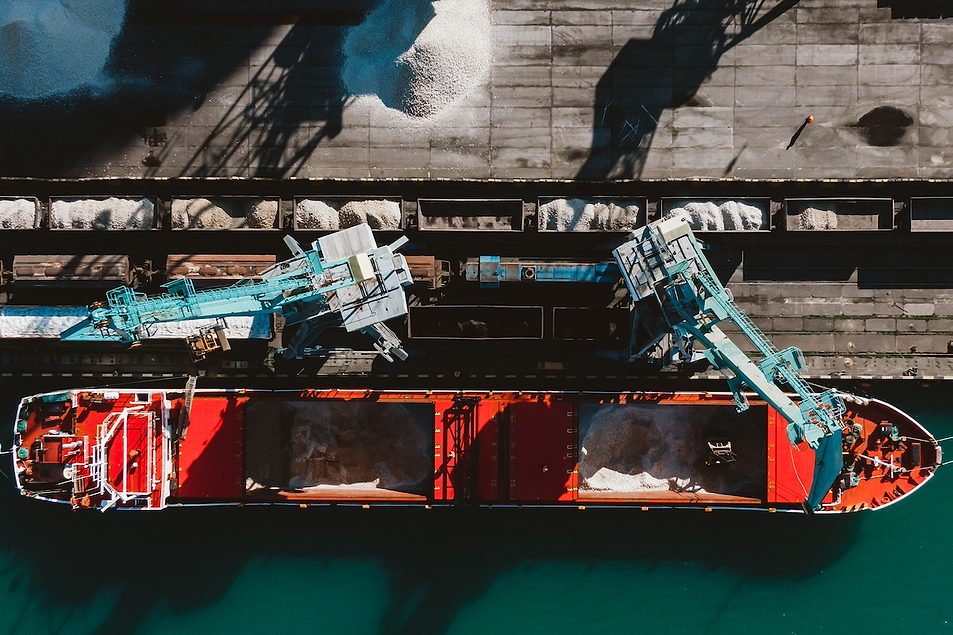
More than half of the Middle East's urea output may have been lost since the start of the Iran conflict. The effective closure of the Strait of Hormuz has choked shipments of urea, a key component in nitrogen fertilizers, leaving large volumes stranded in the Gulf and tightening supplies for farmers worldwide.
According to consultancy CRU Group, producers have been forced to curb operations, with 55% to 60% of regional urea output potentially halted. Iranian drone attacks have also damaged energy and industrial infrastructure in Qatar and Bahrain, hindering chemical production capacity.
Bloomberg Intelligence estimates roughly 45% of global urea trade originates from Persian Gulf manufacturing sites and is shipped to major importers including India, Europe and Brazil. Pranshi Goyal, senior analyst at CRU, warned that as the disruption lengthens, storage will fill up — and restarting nitrogen plants is not as simple as flipping a switch.
Ship-tracking data compiled by Bloomberg and intelligence firm Kpler show only 11 fertilizer-laden vessels have transited Hormuz since the war began at the end of February, four of them carrying urea. A total of 44 fertilizer ships remain stuck in the Persian Gulf, almost half laden with urea.
Goyal said the market's real problem is not just lost output but product that cannot move. Even if Hormuz reopens, the backlog is unlikely to clear quickly and impact will compound. With hunger risks rising in already-vulnerable nations, calls for a safe shipping corridor for fertilizer and humanitarian goods are intensifying.
Key Takeaways:
1. Up to 55-60% of Mideast urea production is potentially halted (CRU Group).
2. Hormuz closure plus Iranian drone strikes hit both manufacturing and shipping flows.
3. Only 11 fertilizer ships have transited since late February; 4 carried urea.
4. 44 fertilizer-laden vessels remain stuck in the Gulf; 45% of global urea trade depends on this route.
5. Calls grow for a safe humanitarian shipping corridor to prevent a food crisis.
[43963]

