

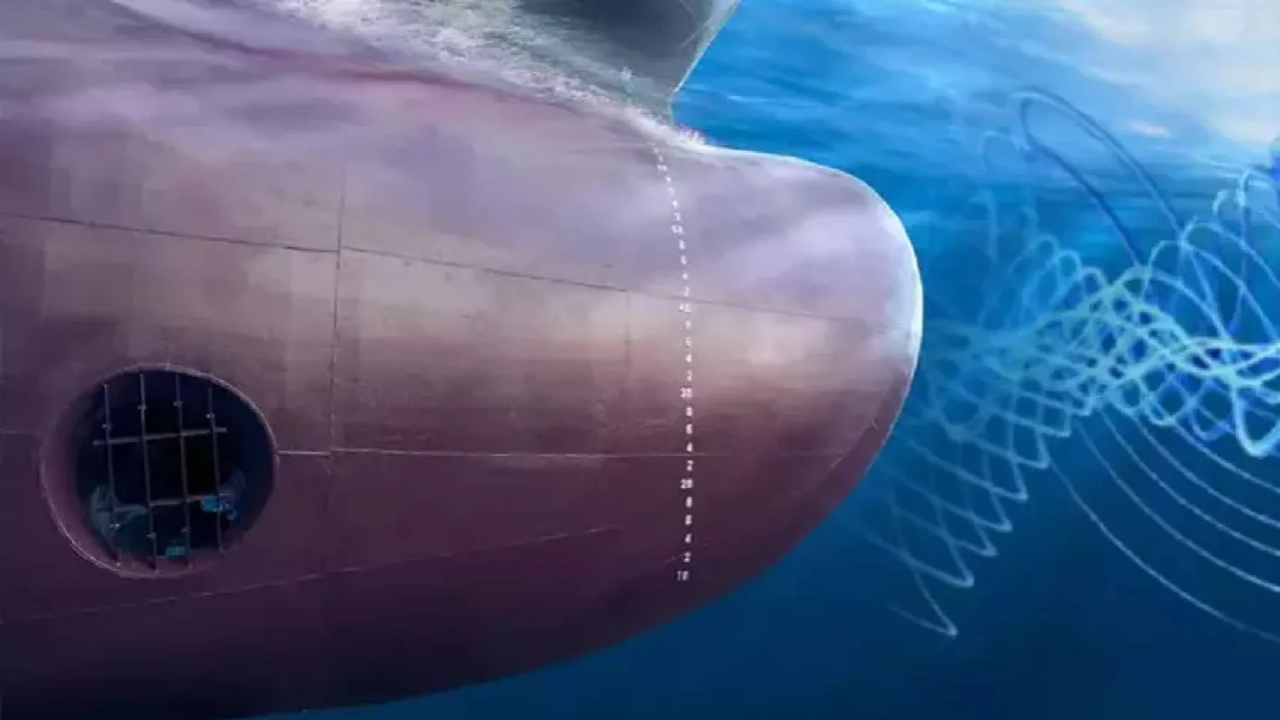
Biofouling — the buildup of microorganisms, algae and shellfish on submerged hull surfaces — is a costly problem that traditional cleaning methods cannot address without physical effort and environmental damage. On larger vessels, biofouling can drive fuel consumption up by as much as 40%.
For biofouling that becomes critical in ships' piping systems and water-contact equipment, ultrasonic technology uses sound waves to prevent organisms from anchoring. Instead of traditional toxic tributyltin (TBT) and copper-based paints, ultrasonic transducers apply continuous low-frequency vibration to the hull surface.
The advantages are clear: no toxic release, the system runs without dry-docking the vessel, dock time is reduced and operational disruption is minimized. Because it does not harm marine life, the system is also aligned with the IMO biofouling guidelines and emerging port biofouling regulations.
The regulatory shutdown of anti-fouling paints is accelerating: the EU and many other jurisdictions have already banned TBT-based formulations and copper-based alternatives are under pressure. Owners are therefore increasingly evaluating ultrasonic, air-injection and electric-current alternative systems.
Industry cost comparisons show that an ultrasonic system pays back its investment in fuel and dock costs within 2-3 years on a mid-size vessel. Rising regulatory pressure and carbon emission costs should accelerate adoption.
Key Takeaways:
1. Biofouling can raise fuel consumption on large vessels by up to 40%.
2. Ultrasonic antifouling uses sound waves to prevent organism attachment.
3. An environment-safe alternative to traditional TBT and copper paints.
4. Aligned with IMO biofouling guidelines and emerging port biofouling rules.
5. On mid-size vessels payback runs 2-3 years from fuel and dock-time savings.

