

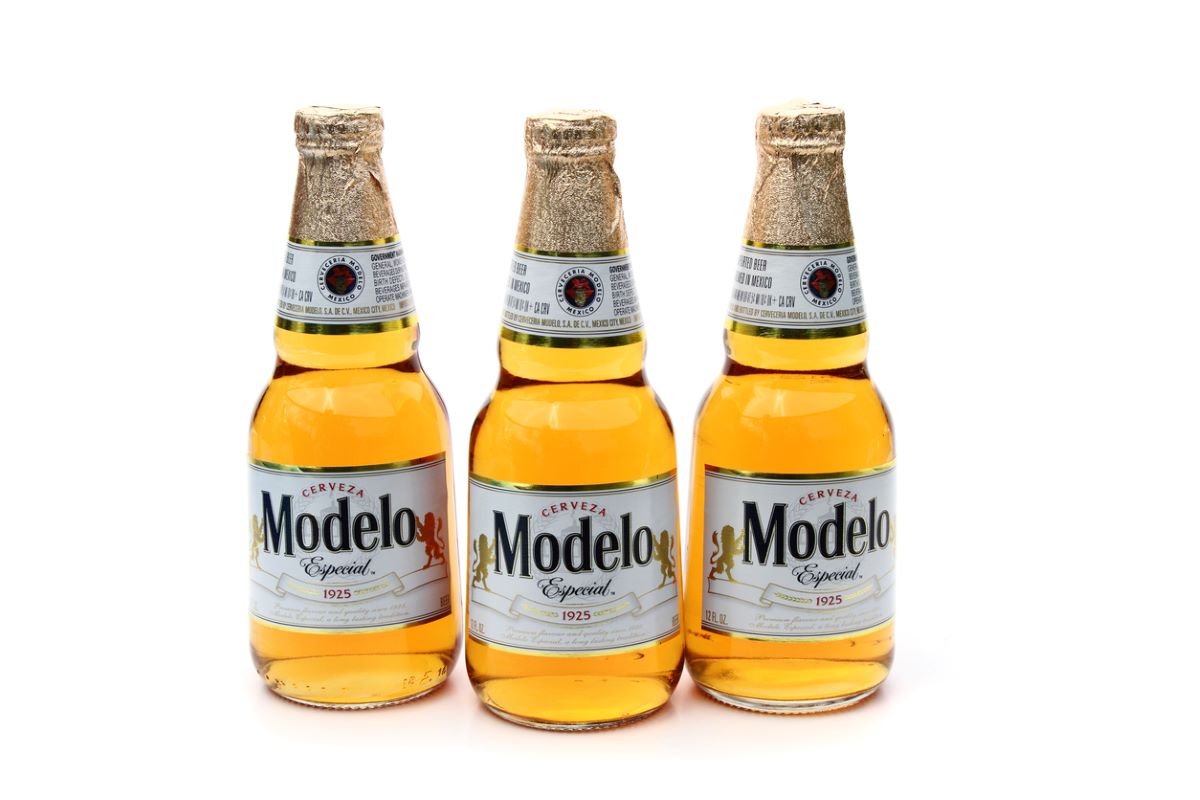
SupplyChainBrain reports; analyst view; with the implementation of punitive tariffs on U.S. imports from Mexico and Canada set to take effect on March 4 at 12:01am, threats of price increases loom for popular consumer products. Hours before the deadline, President Trump said on March 3 that neither country had any chance of striking a last-minute deal to avert the tariffs — according to The New York Times. "Everything is set," he said. "It takes effect tomorrow." According to BBC News, items most likely to be affected immediately include automobiles, fuel, lumber (and consequently new homes), avocados, and maple syrup. Additionally, Modelo beer — the top-selling beer in the U.S. — is among the main affected products.
From a supply chain perspective, Trump's March 2025 Mexico/Canada tariff action timeline includes: (1) February 1, 2025; announcement of 25% Mexico/Canada tariffs and 10% China tariffs under the IEEPA (International Emergency Economic Powers Act); (2) February 3, 2025; 30-day delay; (3) March 4, 2025; tariffs take effect; (4) March 6, 2025; additional 30-day delay for products covered under USMCA; (5) March 12, 2025; 25% global steel and aluminum tariffs; (6) April 2, 2025; Liberation Day reciprocal tariffs — key action phases. The USMCA (United States-Mexico-Canada Agreement; effective 2020; successor to NAFTA) is in its mandatory review period starting in 2026 — renegotiation is expected under Trump's 2.0 administration. Modelo Especial, manufactured by Constellation Brands (CEO Bill Newlands; Mexico-based origin; purchased U.S. licensing rights from Anheuser-Busch InBev in 2013), and Corona Extra are major Constellation Brands products — leaders in the U.S. beer market.
From a supply chain perspective, key U.S. import categories from Mexico/Canada and tariff impact include: (1) Automotive (Mexico accounts for 35-40% of U.S. auto imports; Ford, GM, Stellantis, Toyota, Honda, Nissan, Volkswagen, BMW, Mercedes-Benz manufacturing in Mexico); (2) Oil and energy (Canada represents ~60% of U.S. crude oil imports — Suncor Energy, Cenovus, Imperial Oil, Enbridge); (3) Lumber (Canada supplies 85% of U.S. softwood lumber imports); (4) Avocados (Mexico supplies ~90% of U.S. avocado imports — Mission Produce, Calavo Growers, Avocados From Mexico); (5) Maple syrup (Quebec Maple Syrup Producers; 71% of global supply); (6) Beer and beverages (Modelo, Corona, Tequila); (7) Agricultural products (vegetables, fruits, beef); (8) Medical devices (Tijuana cluster); (9) Electronics; (10) Steel and aluminum — major import categories. The American Automotive Policy Council (AAPC) and Alliance for Automotive Innovation (AAI; CEO John Bozzella) are key U.S. automotive sector lobbying groups.
From a supply chain perspective, Mexico's likely countermeasures against the U.S. include actions under President Claudia Sheinbaum, Economy Minister Marcelo Ebrard, and the Plan México economic independence framework. Canada's countermeasures against the U.S. include those under Mark Carney, expected as Prime Minister in March 2025 following Justin Trudeau, along with Ontario Premier Doug Ford and leadership in Quebec and British Columbia — including a synchronized 25% reciprocal tariff on China-origin goods and threats to cut Quebec Hydro electricity exports as key Canada countermeasures. Key U.S. lobbying groups opposing tariffs include the U.S. Chamber of Commerce (CEO Suzanne Clark), Business Roundtable (CEO Joshua Bolten), National Association of Manufacturers (NAM; CEO Jay Timmons), Retail Industry Leaders Association (RILA; CEO Brian Dodge), and National Retail Federation (NRF). In sum, the Mexico/Canada tariffs pose a fundamental threat to globally integrated USMCA supply chains — supply chain managers appear to be making re-evaluation of nearshoring strategy and countermeasure tariff hedging key strategic priorities.
Key Takeaways:
1. Trump is implementing 25% tariffs on Mexico/Canada on March 4, 2025.
2. Automobiles, fuel, lumber, avocados, and beer are among the main affected products.
3. Modelo, a Constellation Brands product, is the U.S. beer market leader.
4. There is a 30-day additional delay for products covered under USMCA.
5. Mexico's Sheinbaum and Canada's Carney lead the main countermeasure efforts.

