

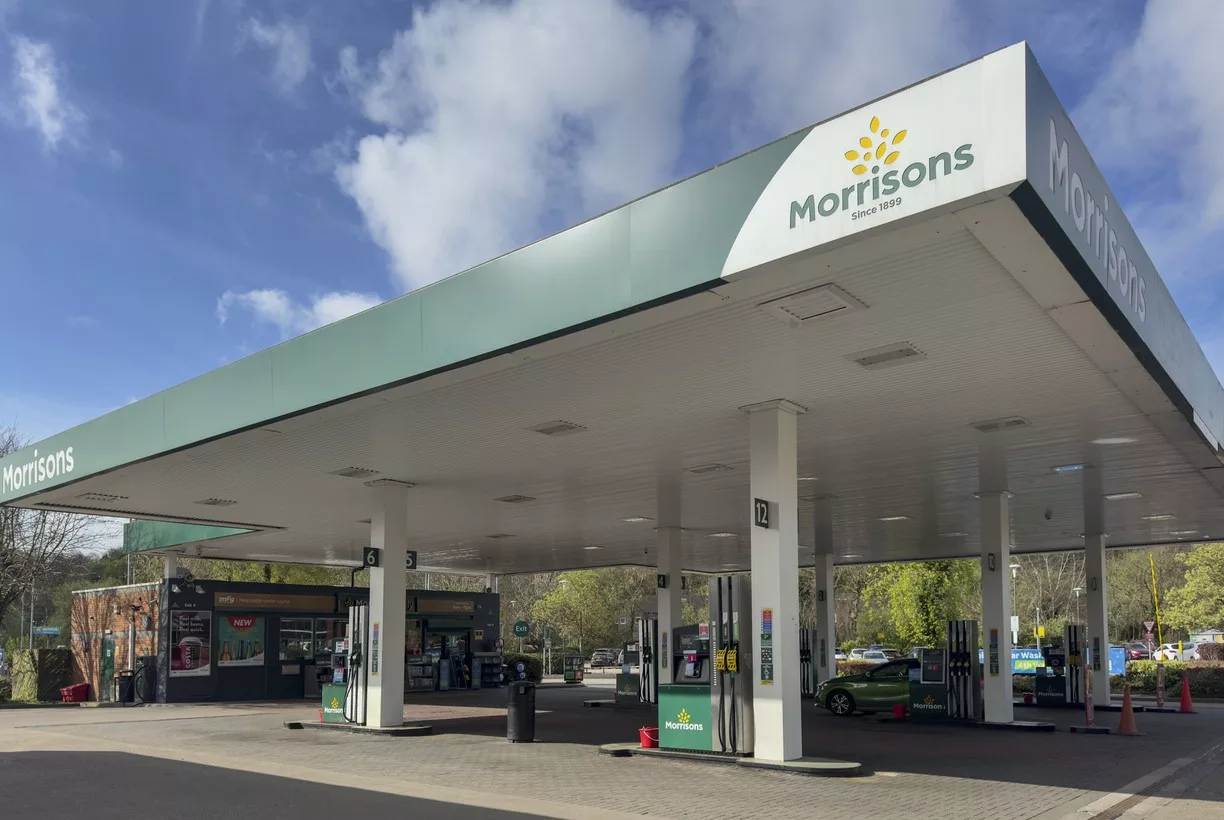
Petrol station fuel thefts in the U.K. are up 62% compared with a year ago. The figures come from new data compiled by fuel theft recovery firm Pay My Fuel for the BBC and published on 21 April. The crime wave is being attributed to price spikes driven by the conflict in Iran. Fuel debt recovery platform Forecourt Eye says theft levels are now worse than 2022, when prices surged sharply following Russia's invasion of Ukraine, according to reporting by the U.K.'s Times. From a supply chain perspective, the downstream petroleum supply chain creates a value chain across terminal, jobber, and retail forecourt stages via refinery gate pricing. The Argus Northwest Europe and Platts CIF NWE indices provide reference pricing for EN228 standard petrol and EN590 diesel.
Thefts are mostly carried out by consumers filling their tanks and driving away without paying. However, there are also reports of criminals arriving at petrol stations with vans full of jerry cans, filling the cans, leaving without paying, and then selling the fuel at impromptu roadside stops. In the U.K., payment for petrol typically involves filling first and then paying inside at a counter or at the pump. While a transition to pay-first systems could theoretically be implemented quickly, it is not attractive because petrol and diesel retailers report that their staff are already experiencing increased abuse due to high fuel prices. From a supply chain perspective, the U.K. retail petrol market is divided among BP, Shell, Esso (ExxonMobil), and supermarket forecourts such as Tesco, Sainsbury's, Asda, and Morrisons. BMM (Bulk Modal Movement)-based fuel distribution operates through refinery and terminal complexes at Avonmouth, Immingham, Grangemouth, and Stanlow.
The Guardian reports that in March, the U.K. government clashed with the U.K. Petrol Retailers Association after allegations emerged that the "inflammatory language" government ministers use when accusing retailers of "price gouging" and "ripping off" drivers may be inciting abuse against forecourt staff. From a supply chain perspective, retail margin pressure requires forecourt operators to reassess the balance between self-service and cashier-staffed configurations. Integration of ANPR (Automatic Number Plate Recognition) and CCTV systems serves as a primary control mechanism against drive-off incidents. The BOSS (British Oil Security Syndicate) sector initiative provides a shared crime intelligence pool among member stations.
Petrol for cars and vans is approximately 40% more expensive in the U.K. than in the U.S. due to higher taxes. Since the conflict began, the cost of filling a typical family car with petrol has risen by £14 ($18.20), while a typical diesel tank has increased by approximately £27. The U.K. government states that fuel thieves "must face the full force of the law" and says police forces are taking a proactive approach to the issue. From a supply chain perspective, fuel duty, along with VAT, comprises approximately 50% of the U.K. pump price. fuel duty adjustments under the Spring Statement and Autumn Budget are managed by HMRC and are reflected directly in consumer prices. Ultimately, the U.K.'s fuel theft wave exemplifies how the Iran conflict's energy price shock translates into changes in social behaviour, forcing retail fuel operations to reassess their security budgets.
Key Points:
1. Pay My Fuel reports pump thefts are up 62% year-on-year.
2. Forecourt Eye says current levels are worse than the 2022 Ukraine crisis.
3. Family car fill-up cost is up £14; diesel tank up £27.
4. Abuse of pump workers is also rising; the U.K. Petrol Retailers Association has clashed with government.
5. The U.K. government states fuel thieves will face the "full force of the law".

