

US Naval Blockade Squeezes Iran Oil Exports, Strands 41 Tankers With 69 Million Barrels in Floating Storage
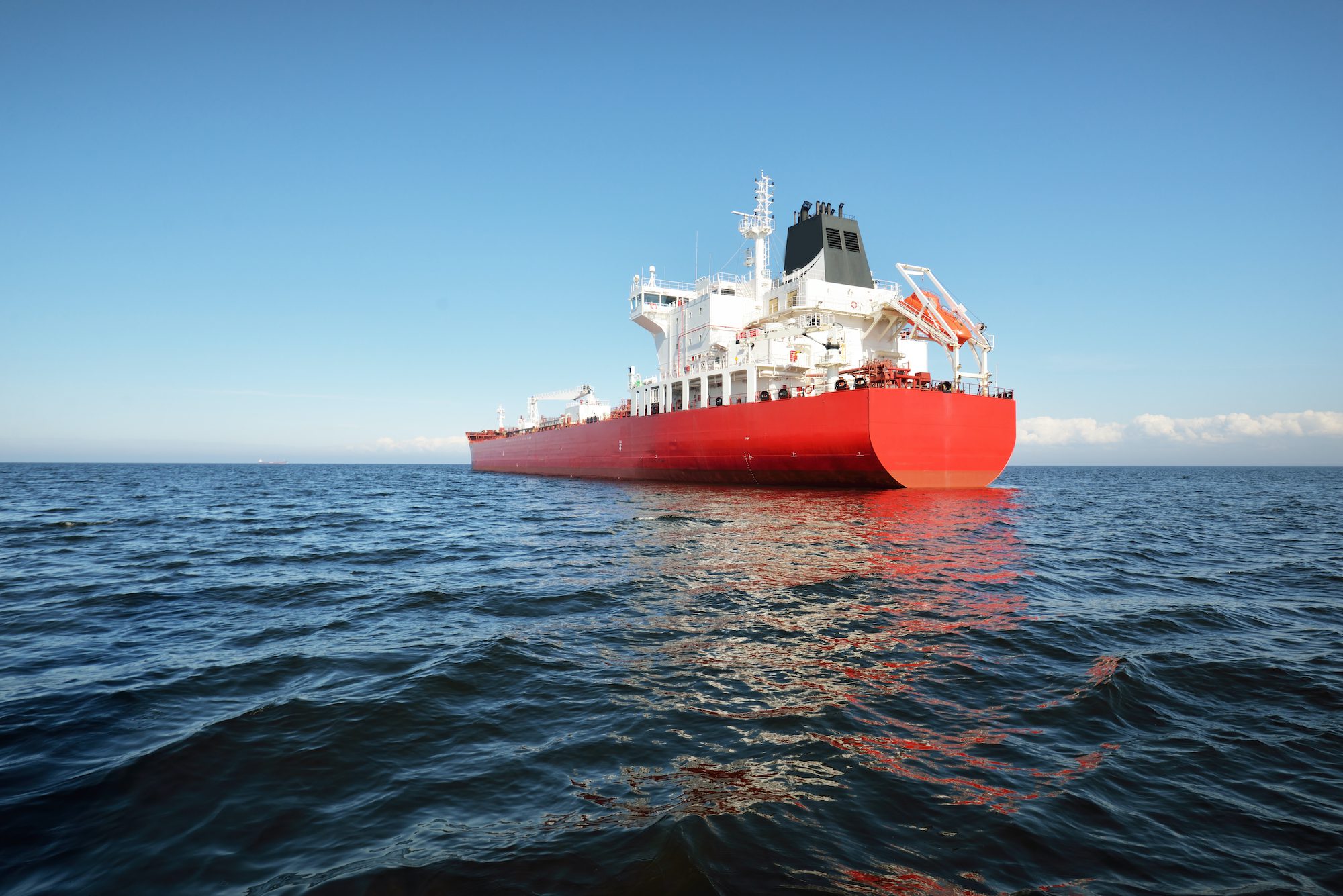
A U.S. naval blockade of Iranian ports has shrunk Tehran's oil exports, stranding a growing stockpile of crude on tankers as Iranian onshore storage sites fill up, shipping data and analysts said. U.S. Central Command (CENTCOM) said on Wednesday that “right now there are 41 tankers with 69 million barrels of oil that the Iranian regime can't sell.” With some vessels switching off tracking systems and U.S. forces turning back Iranian tankers, measuring how much crude Iran is still delivering to customers, particularly main buyer China, has become impossible.
According to oil analytics firm Vortexa, just a handful of carriers carrying Iranian crude have left the Gulf of Oman between April 13 and 25. That is down more than 80% from a comparable period in March, when Iran exported 23.4 million barrels (LSEG data). “At this stage, we estimate that around 4 million barrels of Iranian crude has successfully moved out of the Gulf of Oman. We are not currently able to confirm whether any of those vessels have since been interdicted,” Vortexa told Reuters by email.
Analysts at Kpler said they had not observed any Iranian crude tankers exiting the Gulf of Oman since the blockade began. Despite the pressure, Iran is still loading crude at its main export hub on Kharg Island, maritime intelligence firm TankerTrackers said. Satellite imagery shows at least 10 tankers parked off Iran's Chah Bahar port on the Gulf of Oman. Kpler analyst Johannes Rauball said onshore storage is about 60% full, with stocks above 50 million barrels and capacity at 86 million barrels.
Iran pumped about 3.24 million barrels per day of crude in February, around half for domestic refining. With storage running scarce, Iran may be forced to start cutting output within a week or two, Rauball said. Benchmark Brent crude futures have jumped by about $50 a barrel since the Iran war began on February 28, raising prices of gasoline, diesel and jet fuel. The U.S. is also stopping sanctioned container ships and Iranian tankers in Asian waters.
For tanker markets and energy supply chains, the pressure runs in multiple directions: a meaningful slice of VLCC and Suezmax tonnage is locked into floating storage in the Gulf of Oman, tightening commercial tanker availability; war-risk insurance and P&I premiums around Hormuz are rising; and Iranian customers, including China, are pivoting to alternative suppliers, supporting Brent and other benchmark prices. If Iran is forced to cut output, additional shocks to global crude supply are likely.
Key Takeaways:
1. CENTCOM data show 41 tankers carrying 69 million barrels of Iranian crude are stranded by the US naval blockade.
2. Vortexa: tankers exiting the Gulf of Oman with Iranian crude fell more than 80% between April 13-25 versus March.
3. Kpler: not a single Iranian crude tanker has been observed exiting the Gulf of Oman since the blockade began.
4. Iran's onshore storage is 60% full (50+ million barrels) against 86 million barrel capacity, output cuts likely within 1-2 weeks.
5. VLCC and Suezmax tonnage locked into floating storage is tightening tanker supply around Hormuz and lifting war-risk premiums.

