

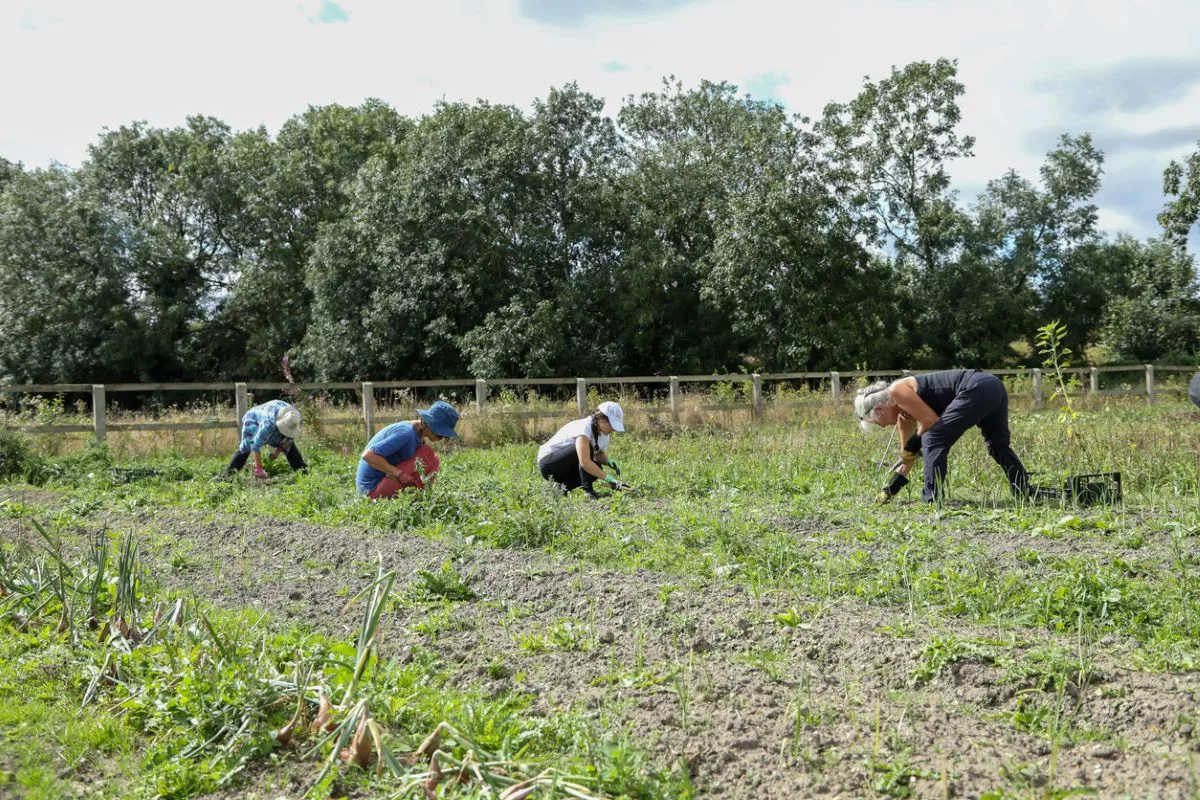
SupplyChainBrain reports that Robert J. Bowman, analyst at SupplyChainBrain, offers this insight: policymakers assessing the impact of President Trump's immigration policies on U.S. agriculture would do well to examine the labor shortage that hit farms in the United Kingdom with the arrival of COVID-19. In 2020, the combination of pandemic lockdowns and the United Kingdom's withdrawal from the European Union left the country without sufficient workers to harvest crops. Foreign labor, primarily from Eastern Europe, accounted for roughly 95 percent of the workforce — and that supply was largely cut off. Crops rotted in fields without pickers. The Brexit lesson holds profound implications for the H-2A visa program.
From a supply chain perspective, the U.S. agricultural workforce comprises approximately 2.4 million farm workers according to USDA Economic Research Service data — roughly 50 to 70 percent of whom are undocumented, per the USDA Farm Labor Survey and the National Agricultural Workers Survey (NAWS). Principal source countries include Mexico, Guatemala, Honduras, and El Salvador, which also serve as primary H-2A supplier nations. The H-2A Temporary Agricultural Worker Program, jointly administered by the U.S. Department of Labor, U.S. Citizenship and Immigration Services (USCIS), and the U.S. Department of State, represents the primary legal seasonal agricultural worker visa program — approximately 380,000+ H-2A visas were issued in 2024. Trump 2.0 immigration policy, led by key officials including Tom Homan as Border Czar, Stephen Miller as Deputy Chief of Staff for Policy, Kristi Noem as Secretary of Homeland Security, and Pete Hegseth as Secretary of Defense, has raised concerns about mass deportation plans and potential labor shortages in agriculture and construction.
From a supply chain perspective, primary labor-intensive agricultural sectors in the U.S. include: (1) fresh produce in California, Florida, Oregon, Washington, and Arizona; (2) wine grapes in California; (3) peaches and watermelons in Texas, Georgia, and South Carolina; (4) fruit in Michigan; (5) potatoes in Idaho; and (6) dairy operations in Wisconsin, California, and Idaho. Key agricultural labor unions include the United Farm Workers (UFW, led by President Teresa Romero), the Farm Labor Organizing Committee (FLOC), and the National Farm Workers Service Center. Major farmer and employer organizations include the American Farm Bureau Federation (AFBF, with President Zippy Duvall), the Western Growers Association, and the National Council of Agricultural Employers (NCAE). The UK Seasonal Worker Scheme represents Britain's primary seasonal agricultural visa program, with a 45,000-visa ceiling in 2024; principal scheme operators include Concordia, AG Recruitment, Fruitful Jobs, HOPS Labour Solutions, and Pro-Force. The National Farmers' Union (NFU, UK, led by President Tom Bradshaw) is the primary British farming organization.
From a supply chain perspective, leading agricultural automation technologies that offer alternatives to manual labor include: (1) robotic strawberry picking by Octinion, Tortuga AgTech, and Agrobot; (2) tomato picking systems from Root AI and Tevel Aerobotics; (3) apple picking robots from Abundant Robotics, Advanced Farm Technologies, and FFRobotics; (4) asparagus harvesting by Cerescon; (5) weed control solutions from FarmWise, Carbon Robotics, and Naio Technologies; (6) autonomous tractors from John Deere, AGCO Fendt, and Monarch Tractor; and (7) vertical farming operations such as AeroFarms, Plenty, Bowery Farming, and BrightFarms. Major agricultural equipment manufacturers include John Deere (CEO John May, based in Moline, Illinois), AGCO, CNH Industrial, and Kubota. Key research and development authorities include the USDA Agricultural Research Service (ARS) and the NSF National AI Institute for Sustainable Agriculture. In conclusion, Bowman's comparative analysis of the U.K. and U.S. agricultural landscapes suggests that global agricultural labor sourcing dynamics are being fundamentally redesigned — making H-2A visa capacity, agricultural automation investments, and alternative nearshore agricultural sourcing critical strategic priorities for supply chain managers.
Key Takeaways:
1. Robert J. Bowman of SupplyChainBrain argues that the Brexit and COVID-19 agricultural labor crisis in the U.K. offers critical lessons for the U.S.
2. Approximately 50 to 70 percent of U.S. farm workers are estimated to be undocumented.
3. The H-2A visa program issued over 380,000 visas in 2024.
4. Trump 2.0 mass deportation policies pose risks to agricultural and construction sectors.
5. John Deere, FFRobotics, and FarmWise are among leading agricultural automation players.

