

Saudi Arabia is ramping up oil exports to above half normal levels despite the disruptions caused by the Iran conflict, marking an early sign of success for the kingdom's ambitious contingency plan to bypass the Strait of Hormuz. From a supply chain perspective, Saudi Aramco's rapid activation of western coast capacity is enabling Asian refineries to maintain spot supply flows. The shift of VLCC and Suezmax tonnage toward the Red Sea is bringing the Cape of Good Hope route back into focus and significantly raising tonne-mile demand. For flows heading through Bab el-Mandeb toward the Suez Canal, there is a need to reassess the Houthi threat profile.
With Hormuz nearly closed, Saudi Arabia is redirecting oil westward through a 1,200-kilometer (746-mile) pipeline to the Yanbu port on the Red Sea. At the same time, it is assembling a large tanker fleet rapidly flowing seaward to load crude, and these vessels are now accumulating around the port. According to tracking data compiled by Bloomberg, shipments from Yanbu have averaged roughly 4.19 million barrels daily over the past five days. This level represents a significant share of the kingdom's pre-war total exports of approximately 7 million barrels and is strikingly higher than the roughly 1.4 million barrels previously moving through this port. From a supply chain perspective, the full utilization of East-West pipeline capacity represents a critical stress test for pump station technical constraints, API gravity quality compatibility, and terminal slot scheduling.
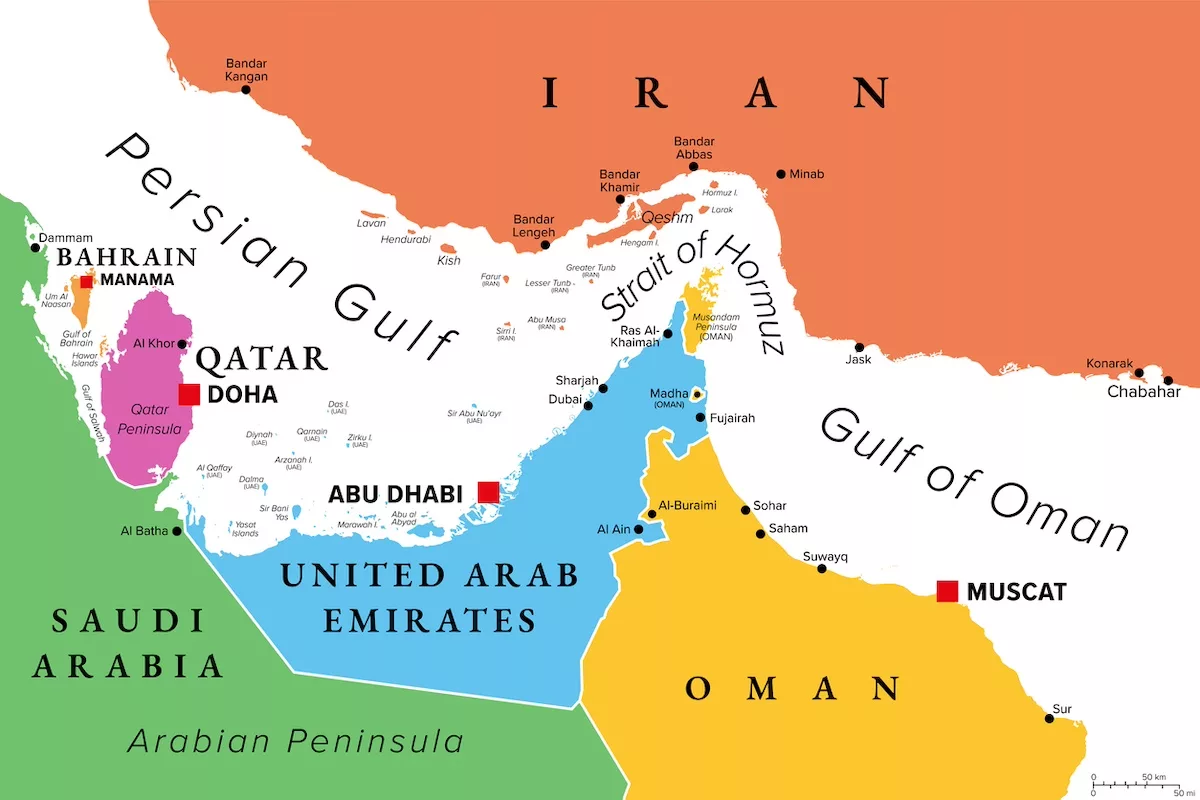
Approximately one-fifth of the world's oil normally flows through the narrow Hormuz strait opening into the Persian Gulf, and producers in the region are being forced to curtail output as storage fills up. The International Energy Agency (IEA) has warned that the conflict is causing the largest oil supply disruption in market history. Saudi Arabia is the only major producer with a significant alternative option. The United Arab Emirates has a pipeline route to the Gulf of Oman, but flows are vulnerable to disruption because the Fujairah port it relies on has been forced to halt loading several times due to unmanned aerial vehicle attacks. From a supply chain perspective, SPR (Strategic Petroleum Reserve) discussions, OPEC+ supplementary supply coordination, and spikes in spot premia are directly impacting global refinery margins and jet fuel supply flows.
As Saudi Arabia moves urgently to redirect oil, tankers are piling up offshore the kingdom's Red Sea coast. At least 32 supertankers and Suezmax vessels are waiting to load near Yanbu, with others still en route. Short-term loading data averages tend to be noisy, but Saudi Arabia has indicated it intends to increase loadings from Red Sea ports to foreign buyers and is offering its long-term customers the option of sourcing through Yanbu. State oil producer Saudi Aramco is not responding to emails requesting comment on Yanbu export levels. From a supply chain perspective, VLCC demurrage costs and berthing wait times are necessitating renegotiation of "laytime/demurrage" clauses in charter party agreements. Ultimately, Saudi Arabia's Yanbu push is becoming a significant case study in how infrastructure redundancy can be mobilized in the global energy supply chain.
Key Points:
1. Daily exports from Yanbu have reached 4.19 million barrels, above half the pre-war 7 million barrel daily total.
2. The 1,200 km East-West pipeline is the primary corridor bypassing Hormuz.
3. At least 32 VLCC/Suezmax vessels await in the Red Sea.
4. The UAE's Fujairah route is disrupted by drone attacks.
5. The IEA has emphasized that the conflict is causing the largest supply disruption in history.
We would be delighted to receive your feedback.

