

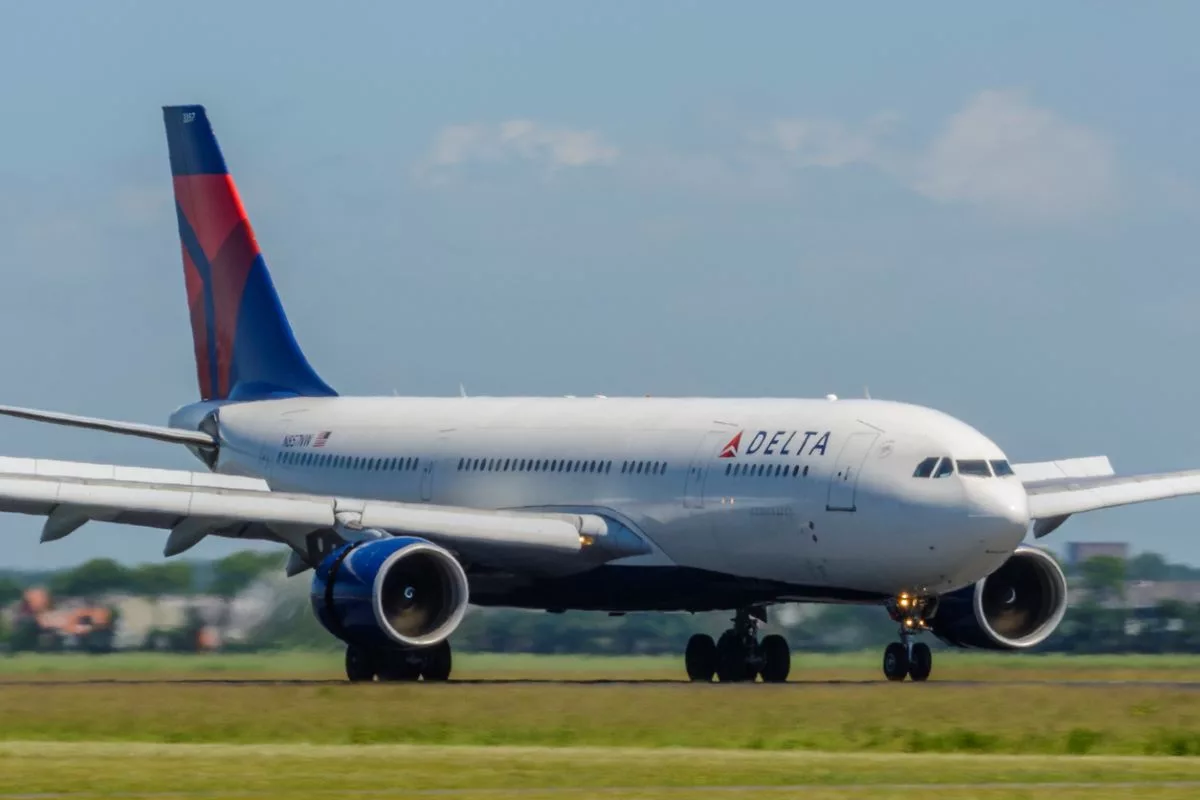
U.S. airlines face an "existential threat" stemming from a jet fuel surge that could dramatically elevate costs, according to Deutsche Bank. From a supply chain perspective, this warning carries direct implications not only for passenger carriers but also for global airfreight capacity. Given that belly cargo forms the backbone of global fast supply chains alongside the integrator networks of FedEx, UPS, and DHL, the jet fuel shock is directly pressuring e-commerce express shipping pricing, pharma cool chain flows, and aerospace spare parts logistics. The pace at which cost passthrough translates into contracts will be the determining factor during this period when annual airfreight tariffs are being renewed.
Jet fuel prices in the U.S. have more than doubled since the start of the year during the conflict in the Middle East, while crude oil has risen roughly 50 percent over the same period. Such a widening of the crack spread—the gap between underlying crude prices and jet fuel prices—last occurred in 2005. Deutsche Bank shared this assessment in a client note dated March 6. Analyst Michael Linenberg stated that "Some of the industry's financially weakest carriers could halt operations" and warned that "Absent near-term relief, airlines around the world could be forced to ground thousands of aircraft." From a supply chain perspective, capacity reductions by smaller and mid-size carriers are leading to consolidation of the capacity squeeze in favor of the large integrator networks.
Airline stocks extended their declines on March 6 alongside other travel and logistics companies. The sector index fell 19 percent over six trading sessions and is heading toward its worst period since April. Deutsche Bank is the latest firm to sound alarm about the impact of the escalating conflict in Iran on airlines. From a supply chain perspective, this financial pressure is reshaping fleet investment decisions, fuel hedging strategies, and route network rationalization. Delays in retiring the Boeing 787, Airbus A350, and other fuel-efficient wide-body aircraft are creating room for daily rate softening in the aircraft leasing market.
American Airlines Group Inc. faced a downgrade of its stock rating by Rothschild & Co. Redburn in early March; the firm now expects the carrier to post losses this year as it pays higher fuel costs. From a supply chain perspective, airline weakness paradoxically produces tightness at the airfreight rate level. Reduced capacity from weakened carriers tightens availability, yet fuel costs still push prices higher. BCO modal choices between air transport and sea-air, express ocean, and direct ocean will be a critical agenda item in service contract design in the coming weeks. In sum, Deutsche Bank's warning has become an important indicator clearly exposing the global fast-shipping system's vulnerability to energy crises.
Key Takeaways:
1. Deutsche Bank warns of an "existential threat" to airlines.
2. Jet fuel more than doubles year-on-year; crude oil rises 50 percent.
3. Crack spread is at its widest level since 2005.
4. Sector index falls 19 percent over six trading sessions.
5. Rothschild & Co. Redburn downgrade American Airlines rating.
We would be delighted to receive your feedback.

