

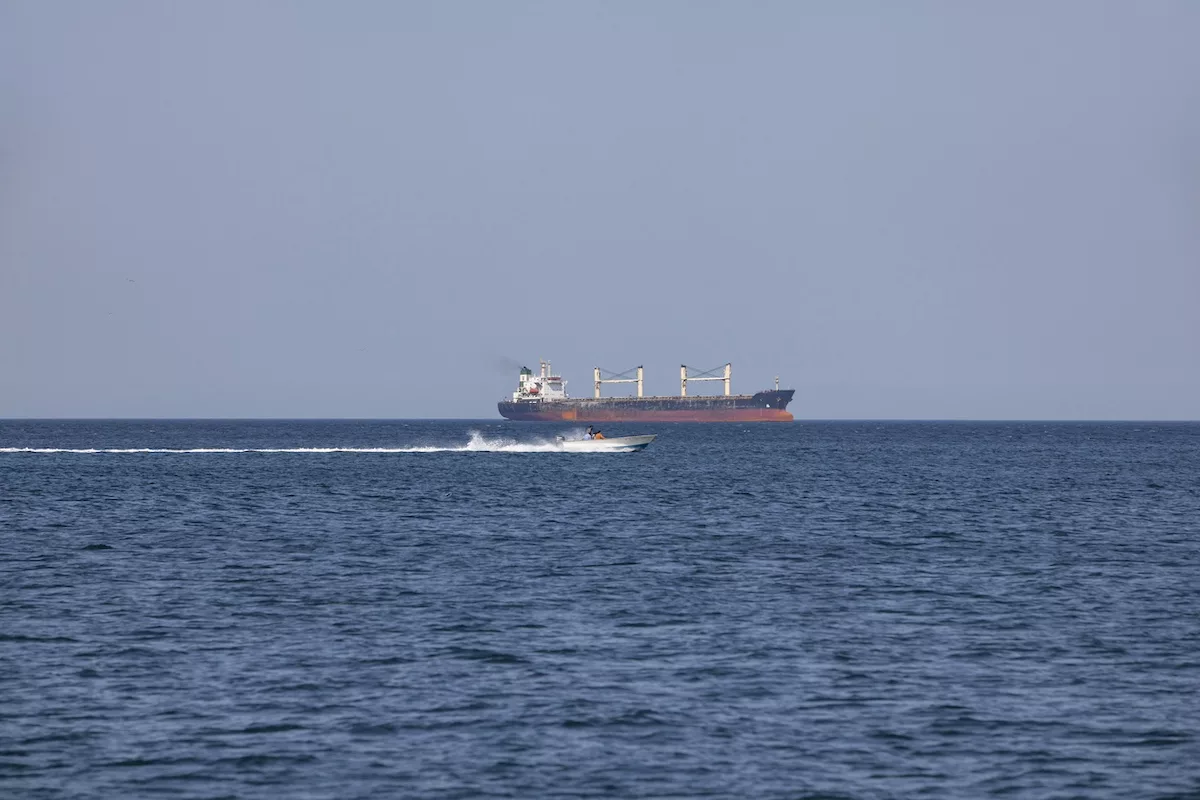
Trump administration is moving to roll out a reinsurance program for vessels transiting the Strait of Hormuz. From a supply chain perspective, this move establishes a government-backed backstop at a time when P&I clubs, Lloyd's, and IUMI-member reinsurers are withdrawing capacity from the marine war risk market. The sustainability of K&R, H&M, and war risk insurance premiums for VLCCs, Suezmax vessels, LNG carriers, and LPG tankers emerges as a critical condition for keeping Asia-Middle East crude supply corridors open. The program structure distributes total risk that reinsurers struggle to underwrite alone through a centralized public channel, creating conditions for WS tariffs stuck in the charter market to ease.
According to CNBC, the U.S. International Development Finance Corporation (DFC) will cover up to $20 billion in losses on a rolling basis. The White House is focused on ensuring commercial shipping continues to flow through the critical transit point despite elevated risks stemming from ongoing conflict with Iran. President Donald Trump had previously pledged to offer insurance guarantees and potential U.S. Navy escorts for oil tankers transiting the Strait of Hormuz. The proposed reinsurance program essentially provides a floor for private insurers and helps stabilize premiums at a time when shipping lines are concerned about transits. From a supply chain perspective, this structure enables BCOs on the charterer side and major refineries to reconsider spot purchasing decisions.
DFC chief executive officer Ben Black stated in a March 6 press release: "We are confident that our reinsurance plan will get oil, gasoline, LNG, jet fuel, and fertilizer through the Strait of Hormuz and flowing again to the world." Approximately 20% of global crude oil exports transit this strait, and roughly 20% of liquified natural gas (LNG) exports use the same passage. London-based reinsurers have begun canceling war risk coverage following threats by the Iranian Revolutionary Guard to burn ships passing through the Strait of Hormuz, and are demanding premiums exceeding 200% to reinstate policies. From a supply chain perspective, this squeeze complicates trade in FOB delivery terms for major supply actors like QatarEnergy, ADNOC, and Saudi Aramco, and has prompted a shift toward CIF-based contracts.
U.S. crude oil prices have risen 35% due to stalled tanker traffic in the region, and Gulf nations are beginning to cut production as they cannot export crude through the Strait of Hormuz. Concerns persist about the open-ended nature of the conflict in Iran; the war enters its second week on March 9, with no clear signs of imminent de-escalation. Most recently, more than 30 people were injured in an Iranian attack near an oil refinery in Bahrain, and Israel launched night strikes on Tehran, Iran's capital, between March 8 and 9. From a supply chain perspective, this situation is redirecting Asian refinery alternative supply flows toward the Atlantic Basin, U.S. Gulf, and West Africa, and could permanently increase tanker tonne-mile demand. In essence, the DFC's reinsurance model represents a case where government capacity is filling a private market gap in the global energy supply chain.
Key Takeaways:
1. DFC is offering a $20 billion rolling reinsurance program for Strait of Hormuz shipping.
2. London reinsurers are canceling war risk policies; premiums rising 200%+.
3. Approximately 20% of global crude oil and LNG transits this strait.
4. U.S. crude prices up 35%; Gulf producers cutting output.
5. DFC CEO Ben Black emphasizes the plan will restart energy flows.
Your feedback would make us happy.

