

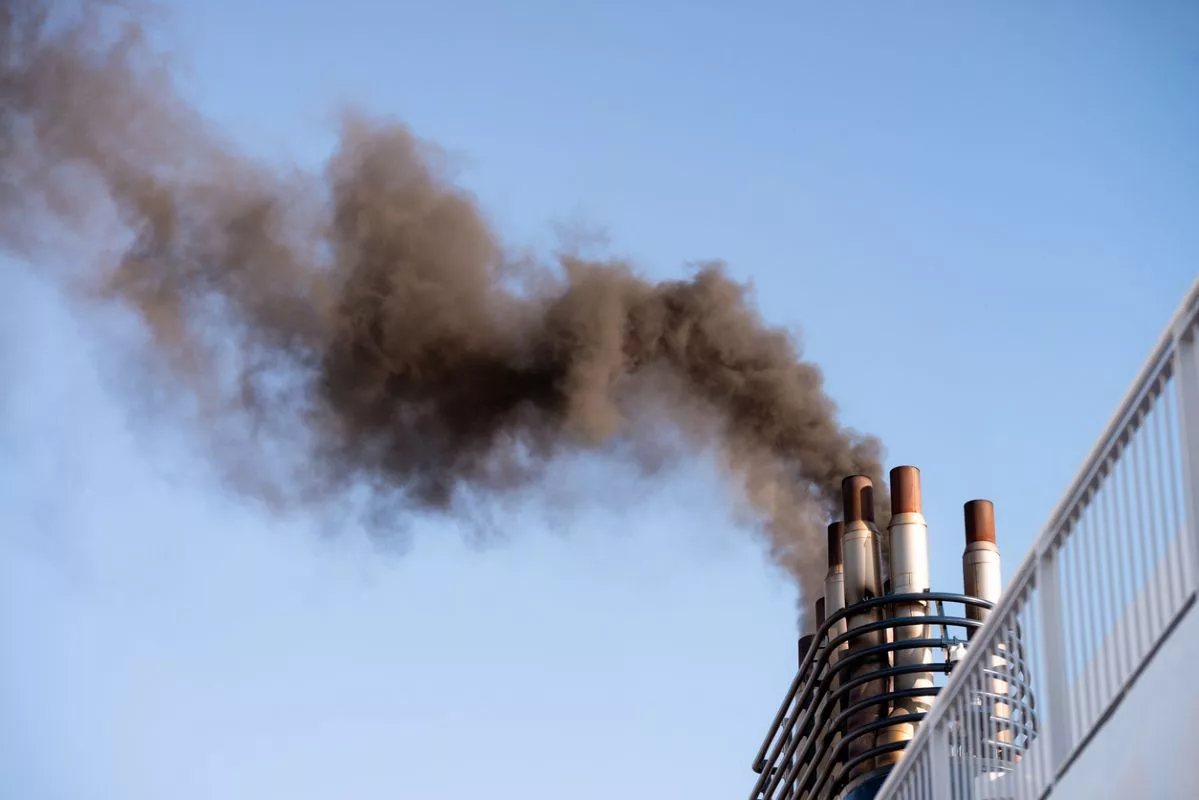
Passenger and cargo ferries are causing more air pollution than all automobiles in major cities such as Barcelona, Dublin, and Naples, according to a report by an environmental advocacy group. The cumulative respiratory health risk borne by populations in port areas across European coastal cities has receded into the background in recent years, as urban air quality policies have focused primarily on road transport. From a supply-chain perspective, this framework aligns with a period in which the emission profiles of RoRo, RoPax, and conventional passenger ferry operations are being reassessed under the EU Emissions Trading System (ETS). Accelerating investments in port shore power (OPS) infrastructure and the transition to alternative fuels—LNG, battery-electric, methanol—constitute the primary policy pressures facing the sector.
Helsinki, Stockholm, and Tallinn rank among 13 cities out of Europe's 15 largest port cities where sulphur oxides (SOx) emissions from ferries exceed those from road vehicles. This information has been communicated to Guardian by clean transport advocacy group Transport & Environment (T&E). From a supply-chain perspective, the Baltic Sea region demonstrates that transient emission concentrations in ports remain elevated despite current SECA (sulphur emission control area) regulations, requiring strict monitoring of fuel quality profiles used during maneuvering and waiting cycles. Modern LNG/battery hybrid ferries such as Aurora Botnia and Megastar emerge as leading examples in this equation.
Dublin is Europe's dirtiest port city when it comes to ferry air pollution, followed by Las Palmas and Holyhead. This situation is expected to change with the introduction of new emission control areas (ECA) in the North-East Atlantic scheduled to take effect in 2027, which will limit air pollution from maritime fuels. Despite similar measures already being in effect in the Mediterranean, ferries in cities such as Barcelona produce 1.8 times more SOx pollution than all vehicles in the city. T&E points out that Europe's aging fleet of approximately 2,000 ferries represents a major source of poor air quality that has been overlooked in coastal cities. From a supply-chain perspective, fleet renewal directly impacts shipyard order books, engine manufacturers (MAN ES, Wartsila), and battery integrators.
Felix Klann, Shipping Policy Officer at T&E, stated in the March 3 report that "Ferries should connect communities, not pollute them" and added that too many ferries burn polluting fossil fuels, pumping toxic air into Europe's port cities. Klann emphasized that electrifying ferries could dramatically reduce emissions and provide fresh air to millions of people. According to Guardian, Sotiris Raptis, secretary general of the European Community Shipowners' Association, recalled that the EU is implementing comprehensive measures to tighten maritime emissions. From a supply-chain perspective, the roll-out of mandatory shore power in major European ports by 2030 significantly increases demand for port-side electricity. Ultimately, ferry emissions have become a critical issue that is overlooked in global maritime decarbonization efforts but has substantial local impact.
Key Points:
1. Ferry SOx pollution exceeds automobile emissions in 13 of Europe's 15 largest port cities.
2. Dublin, Las Palmas, and Holyhead top the dirtiest list.
3. In Barcelona, ferries produce 1.8 times more SOx than automobiles.
4. The North-East Atlantic ECA is scheduled to take effect in 2027.
5. T&E highlights that approximately 2,000 aging ferries are the primary culprits.
We would be delighted to receive your feedback.

