

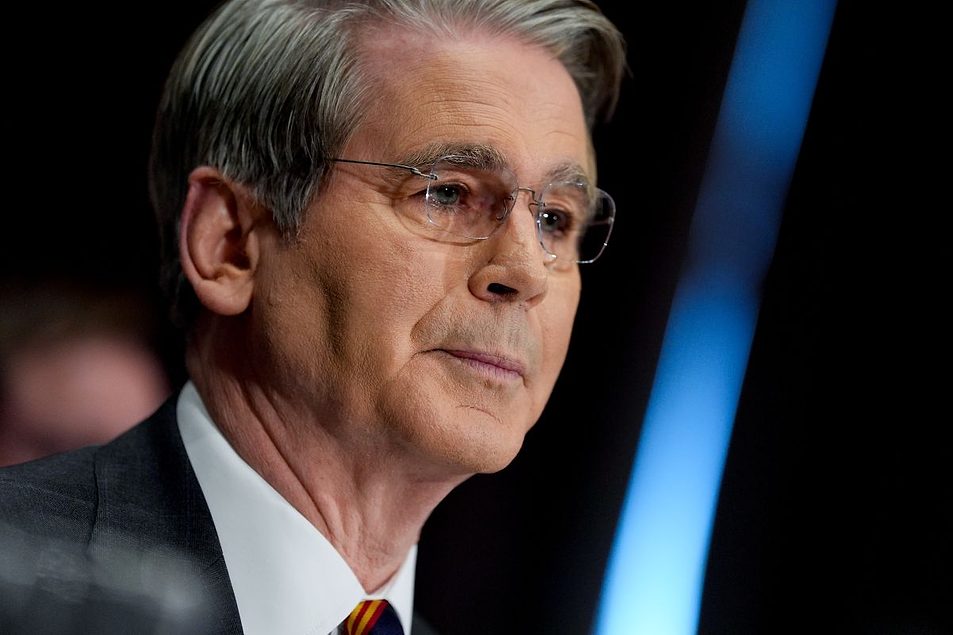
The U.S. is expected to raise tariffs on global imports to 15% this week, Treasury Secretary Scott Bessent said on March 4, predicting that overall tariffs, halted by a Supreme Court ruling on February 20, would return to previous levels within five months. That rate represents an increase from the 10% across-the-board tariffs imposed by President Trump immediately after the court struck down the administration's emergency tariffs.
In an interview on CNBC, Bessent said the U.S. would invoke Section 122 of the Trade Act of 1974, which permits the president to impose an across-the-board tariff of up to 15% for 150 days, after which Congress would need to approve any extension. Separately, under Section 232 of the Trade Expansion Act of 1962, the U.S. Trade Representative plans to launch trade investigations enabling the Trump administration to replace the temporary tariffs with more durable duties that would be less vulnerable to legal challenges.
According to The New York Times, Bessent has said he does not expect the federal government's projected tariff revenue for the year to change despite the court ruling. "It's my strong belief that the tariff rates will be back to their old rate within five months," Bessent said. The president also threatened on March 3 to invoke his authority to impose full trade embargoes on goods from other countries, citing the case of Spain, which he said had angered him by denying the United States the use of its military bases.
From a supply chain perspective, the additional 5-percentage-point tariff burden requires immediate landed cost repricing at the HTS classification level. Importers running SAP GTS, Oracle GTM and Descartes are calibrating parallel calculations of cumulative impacts under Section 122 and Section 232. FTZ (Foreign Trade Zone), bonded warehouse and duty drawback programs are returning to the planning agenda for cash-flow flexibility, while customs broker capacity is becoming a market bottleneck.

