

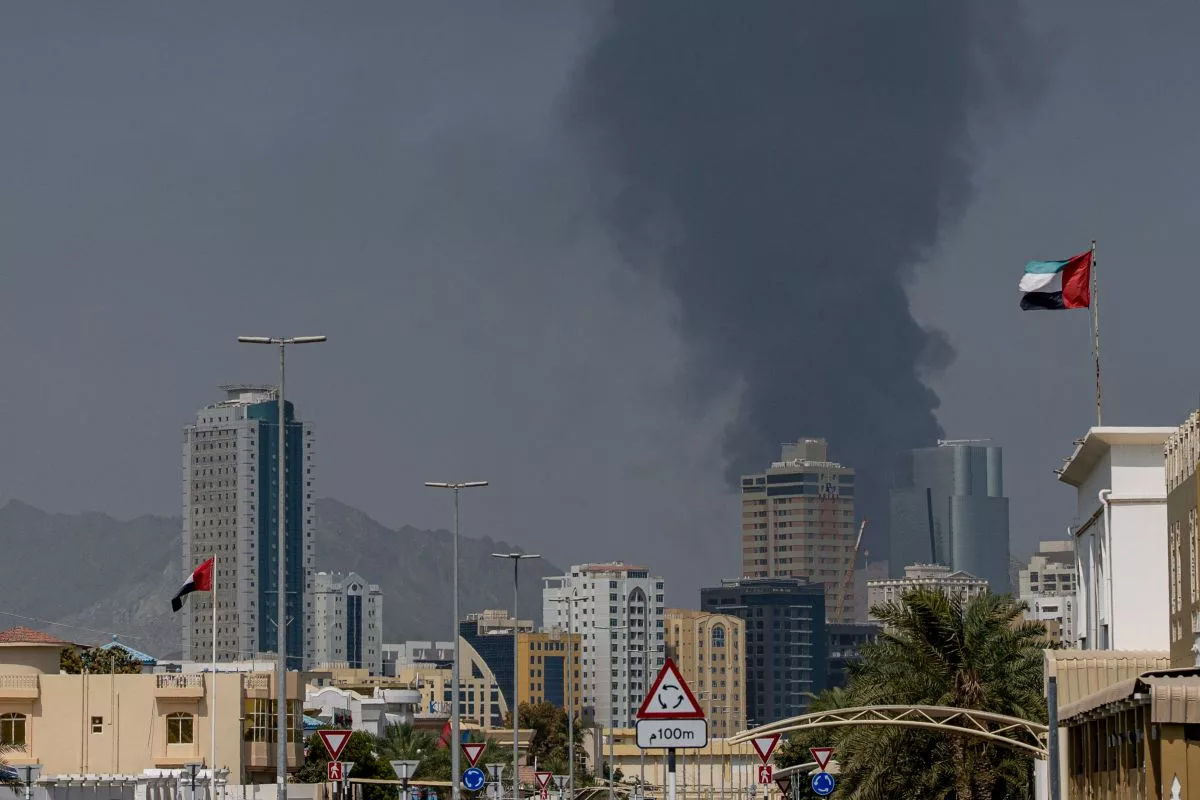
Chief supply chain officers (CSCOs) responding to the outbreak of war in the Middle East are being urged to implement urgent actions, including communicating their response strategies with C-suite colleagues and rerouting transportation lanes through alternative carriers. This framework requires a direct reassessment of the operational risk profile of mainline services across the UAE, Saudi Arabia, Qatar, Oman, and Bahrain, as well as airfreight traffic and roadfreight corridors. From a supply chain perspective, the concentration of risk in combined flows across the Strait of Hormuz, Bab el-Mandeb, and Suez Canal could lead to sharp increases in marine war risk premiums and spikes in charter rate volatility. Decisions made by CSCOs within the first 72 hours are critical for protecting long-term customer relationships and contractual flows.
This view is shared by David Gonzalez, research vice president at consulting firm Gartner leading the logistics, customer fulfillment, and network design team. Gonzalez notes that the region should prepare for 12 months of transportation delays, tariff increases of at least 40%, and the application of higher fuel surcharges and war surcharges. According to Gonzalez, the scale of impacts could be as severe or more severe than the disruptions caused by the Gulf War that began in 2003. From a supply chain perspective, this forecast requires BCOs to add war risk clauses to their contract templates during annual contract renewal periods and recalculate safety stock buffer levels.
Gonzalez states that "The proliferation outside of Iran and Israel is the most significant thing for me" and compares the situation to the relatively limited short-term conflict between the U.S./Israel and Iran that occurred in 2025. According to Gonzalez, the impact on the region is far broader this time, and the main concern is that the war is expanding to encompass the entire region. This situation is significant not only for logistics and supply chains within the region, but also for logistics and supply chains well beyond Middle East boundaries. From a supply chain perspective, this expansion brings port omission practices in Asia-Europe mainline services, alternative routings through the Mediterranean and North Europe, and rapidly tightens airfreight capacity.
Gonzalez notes that many supply chain managers have already reached out to their carriers over the weekend or by Monday morning at the latest. The next step is communication and strategy formation. Gonzalez emphasizes that "You need to communicate and manage external expectations, including everyone in the supply chain" and stresses the importance of planning; it is recommended to capture the implications of developments and proactively inform the organization, customers, and suppliers about the extent of the impact on the business. From a supply chain perspective, S&OP, S&OE, and tower-type monitoring platforms play a critical role as decision support systems in the first weeks of the crisis. Ultimately, the Iran war emerges as a new scenario in the resilience testing of global supply chains.
Key Takeaways:
1. CSCOs must rapidly implement alternative carrier and routing transitions.
2. Gartner forecasts 12-month delays, 40%+ tariff increases, and war surcharges.
3. Regional impact may be close to or more severe than the 2003 Gulf War level.
4. S&OP and tower monitoring play a critical role in decision support during the first week.
5. Impact may extend far beyond Middle East boundaries.
We would be delighted to receive your feedback.

