

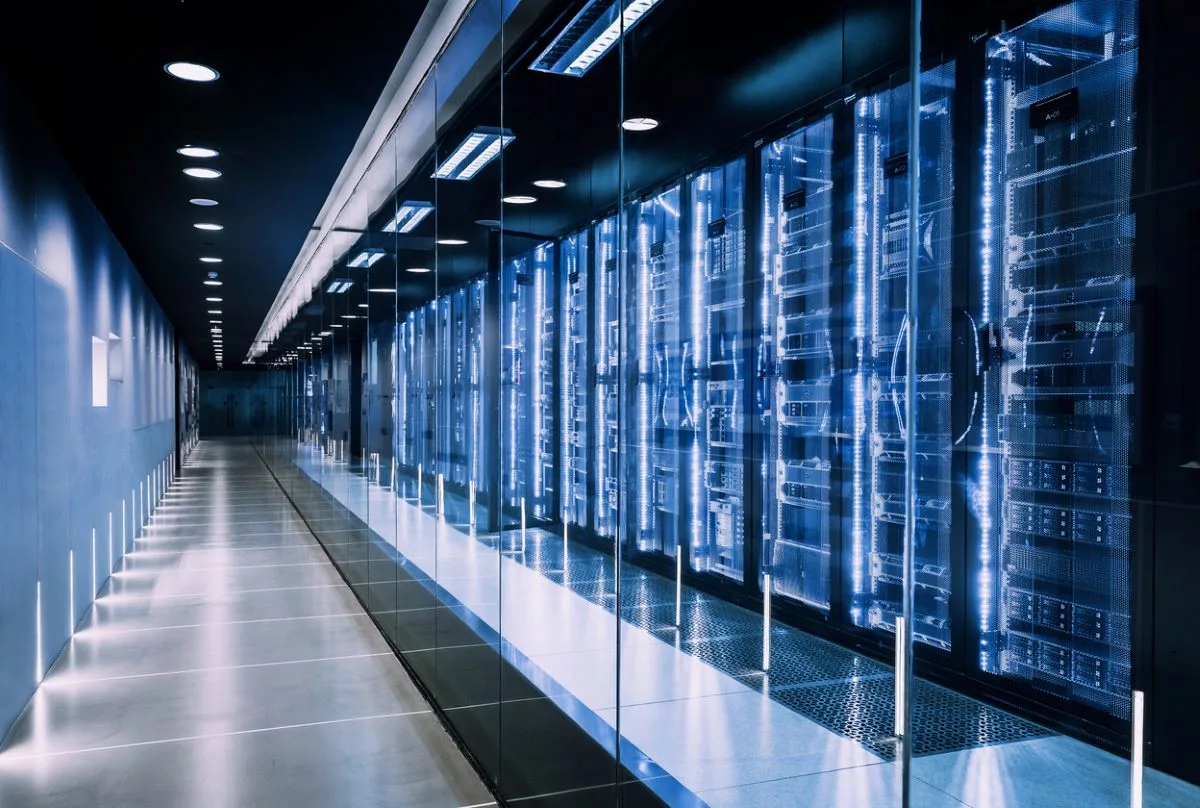
United States electricity prices are rising approximately 7% year-over-year in 2025, with artificial intelligence data centers driving energy demand growth that is expected to continue inflating rates. This trend is creating direct pressure on U.S. household budgets while simultaneously reshaping the input cost base across manufacturing sectors. From a supply chain perspective, electricity tariff increases represent significant cost implications for automotive assembly lines, steel mills, food processing facilities, and electronics OSAT operations. As AI capacity expands, the pace of investment in the nation's energy infrastructure expansion has become a critical variable determining where household and industrial consumer price effects will ultimately land.
The U.S. Department of Energy forecasts that data centers will consume up to 12% of the nation's electricity by 2028. According to a Goldman Sachs report cited by CNBC News, data center electricity demand will account for 40% of electricity demand growth over the coming decade. This share signals that U.S. electricity demand—which remained largely flat in the previous decade—is entering a structurally new cycle. The GPU-intensive nature of AI workloads increases hourly baseline load requirements on both cooling and compute sides. This development is highlighting the pursuit of carbon-neutral, continuous baseload supply and accelerating the re-evaluation of nuclear and gas turbine power plants.
This outlook creates a delicate balance between consumer and data center demand, with household electricity prices expected to rise a further 6% through 2027. The largest price increases are expected to occur in California, Midwest, and mid-Atlantic regions. Utilities are passing through to American households the infrastructure addition costs required to meet rising demand. A 2025 Bloomberg analysis calculated that monthly electricity costs in areas proximate to data centers have risen at rates reaching 267% over the past five years. In some U.S. markets, wholesale electricity prices have more than doubled since 2020, with over 70% of price increases occurring within 50-mile radius zones of data center "hot spots."
An earlier Goldman Sachs report projects that AI will trigger a 160% increase in data center power demand by 2030. The same report notes that U.S. total power demand, which remained largely flat over the past decade, is expected to rise to 2.4% between 2022 and 2030. From a supply chain perspective, this outlook signals structural demand growth for data center colocation providers, HVAC equipment manufacturers, switchgear and transformer suppliers, and BESS (battery energy storage system) solution providers. Meanwhile, hyperscalers are diversifying supply through SMR, geothermal, and long-term power purchase agreements (PPA). Ultimately, U.S. electricity price trends remain a directly measurable indicator of the structural supply-demand tension created by the AI transformation.
Key Takeaways:
1. U.S. electricity prices are rising 7% annually in 2025.
2. Data centers will consume 12% of electricity by 2028.
3. 40% of demand growth over the coming decade will come from data centers.
4. Household electricity prices are expected to rise a further 6% through 2027.
5. Goldman Sachs projects AI will increase data center power demand by 160% by 2030.
We would be delighted to receive your feedback.
We wish you happy reading in advance.

