

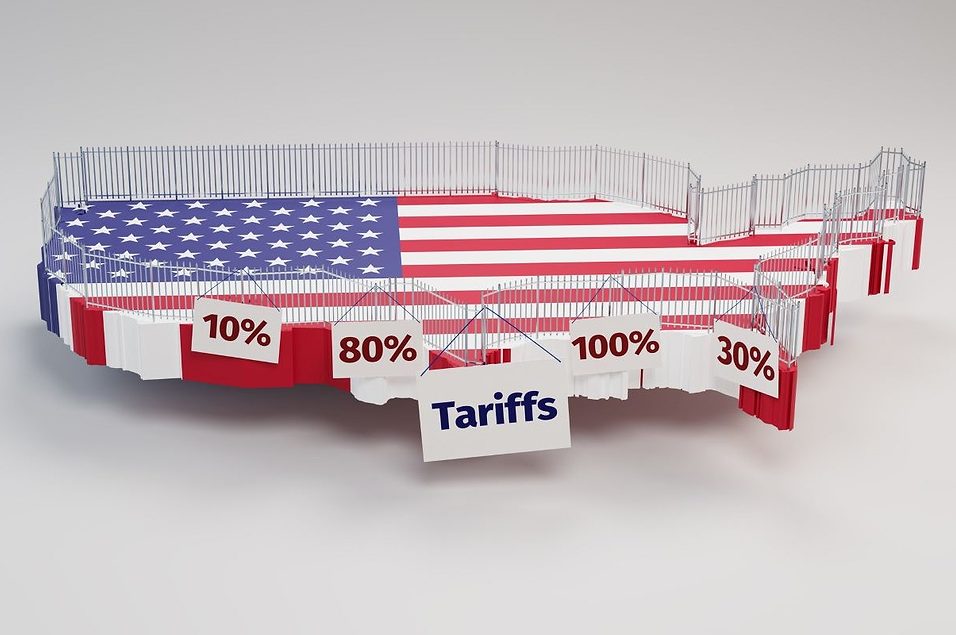
In 2025, the public conversation around tariffs was focused on disruption. Goods and components were no longer available from familiar overseas sources, prices spiked, and orders were suddenly cancelled. The angst was understandable, but the story was incomplete. In 2026, the tariffs are propelling a structural reset in U.S. manufacturing that has been overdue for decades, and the positive news is coming from many directions. For manufacturers, distributors and import-dependent businesses, the tariff environment of 2025 has set up the clearest runway for U.S. reindustrialization in decades.
The immediate impact of the 2025 tariffs forced companies to reorient supply chains established over 20 to 30 years. Pricing was unpredictable. Importers struggled to quote products months in advance of receipt as the cost of goods and delivery swung wildly. Distributors had to rethink their models entirely. The uncertainty affected everyone. When projects are quoted a year ahead of delivery, tariff changes that land after contracts are signed create real complexity.
Beyond the challenge of completing projects already in motion, many U.S. manufacturers were frozen in place. But in 2026, something critical has changed: predictability has returned. Most major trade positions are now set. Emergency measures are giving way to established mechanisms such as new reporting around Section 232 of the Federal Trade Expansion Act — the 1962 law that grants presidential authority to adjust tariffs to protect national security.
This reporting brings deeper transparency and accuracy about all sourcing decisions. From a supply chain perspective, the environment is enabling nearshoring, reshoring and friend-shoring decisions to consolidate into a multi-year capital investment wave. CFOs can build more confident scenarios on total landed cost (TLC) and capital payback periods, which in turn opens the door to new factory builds, automation programs and workforce development initiatives.

