

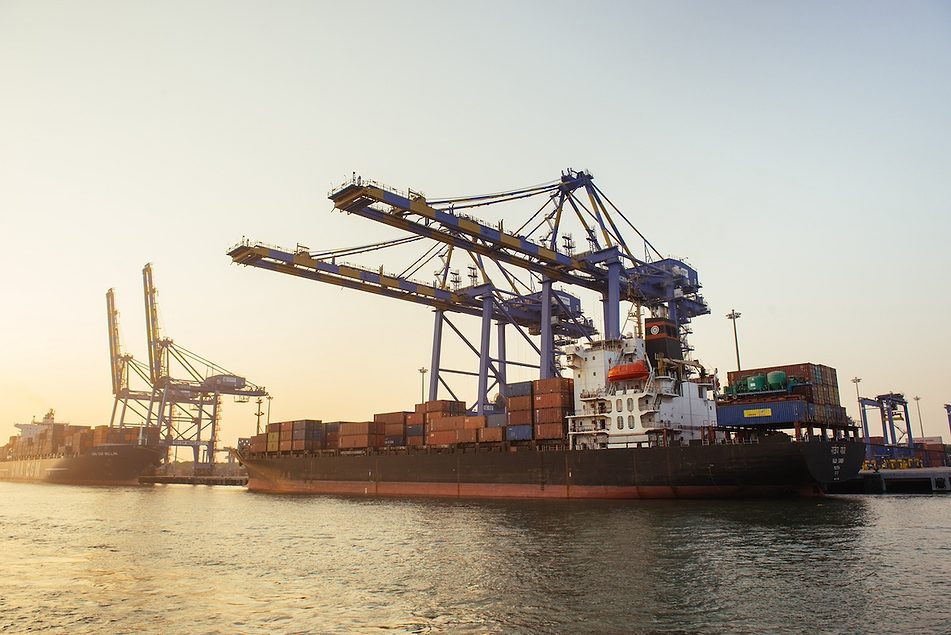
India has announced the launch of a state-backed ocean carrier, Bharat Container Shipping Line (BCSL), as part of a push to reduce the country's reliance on foreign carriers, strengthen control over critical trade lanes and build out more domestic shipping capacity. According to gCaptain, a memorandum of understanding signed on February 3 brings together a coalition of state-owned shipping, multi-modal, port and investment groups.
BCSL will be tasked with expanding India's fleet of commercial ships and growing its global trade footprint, with an initial budget of $1.66 billion. The initiative will be rolled out in phases, with the state-backed consortium focused first on acquiring and operating container vessels to serve key trade routes tied to India's export growth and port expansion plans. "This is a strategic step toward anchoring India's container trade in Indian hands," said India's Ports and Shipping Minister Sarbananda Sonowal.
India spends an estimated $70-75 billion annually on foreign shipping services, reflecting what leaders have described as an untenable reliance on non-Indian carriers to serve the vast majority of the country's maritime trade. The country also set aside an additional $5.4 billion earlier in 2026 to fund direct subsidies supporting shipbuilding infrastructure. Currently ranked around 20th in the world for shipbuilding, India aims to break into the top 10 by 2030 and the top five by 2047.
Meanwhile, India has aggressively pursued trade deals with both the European Union and the United States in recent weeks. The Trump administration made the relevant announcement on February 2. From a supply chain perspective, the entry of BCSL could moderate medium-term pricing power for Maersk, MSC, CMA CGM and Hapag-Lloyd on Indian subcontinent services. A domestic flag advantage is becoming structural in Indo-EU connectivity strategies and the IMEC (India-Middle East-Europe Economic Corridor) through JNPT, Mundra and Cochin.

