

According to American Bureau of Shipping (ABS) Vice President Technology Michael Kei, interest in carbon capture and storage (CCS) is accelerating against changing regulatory expectations, customer requirements, and competitive pressures. For energy-intensive industries such as cement, steel, chemicals, and refining, scalable CO2 management solutions are viewed as a key enabler for market access and long-term operational resilience. ABS positions offshore storage as a strategic component of the carbon value chain.
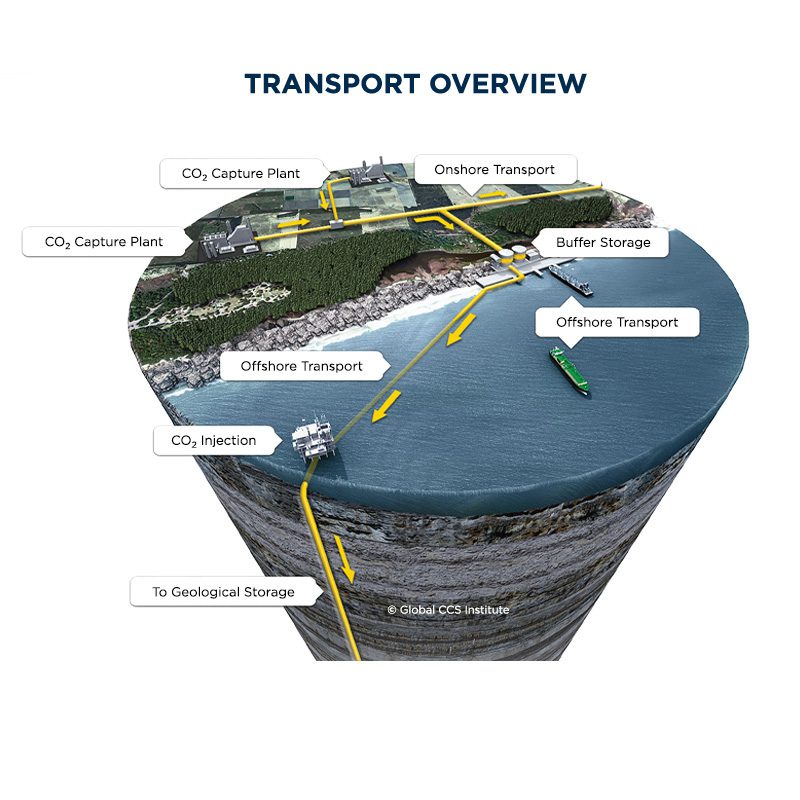
Transporting CO2 captured at land-based facilities to offshore geological formations offers a critical alternative for countries with limited land area. Floating CO2 injection platforms and purpose-built CO2 carrier vessels can be deployed in geographies where traditional pipeline infrastructure is not viable. ABS is collaborating with shipowners, port operators, and energy companies to develop design standards for these platforms.
Offshore CO2 storage is gaining traction through projects such as Europe's Northern Lights and various initiatives in North America. According to ABS, the key to success is building collaborative ecosystems and raising risk-management standards. Each stage of CO2 transport, injection, and long-term storage requires a different regulatory framework. Kei emphasised that the trust environment needed to move from concept to deployment will be achieved through coordinated work among classification societies, regulators, and industry stakeholders.
Key Takeaways:
1. ABS VP Technology Michael Kei said CCS is gaining strategic importance for energy-intensive sectors.
2. Cement, steel, chemicals, and refining sectors need scalable CO2 management solutions.
3. Floating CO2 injection platforms offer a critical alternative for countries with limited land area.
4. Projects such as Europe's Northern Lights prove the feasibility of offshore storage.
5. Success requires coordinated work among classification societies, regulators, and industry stakeholders.

