

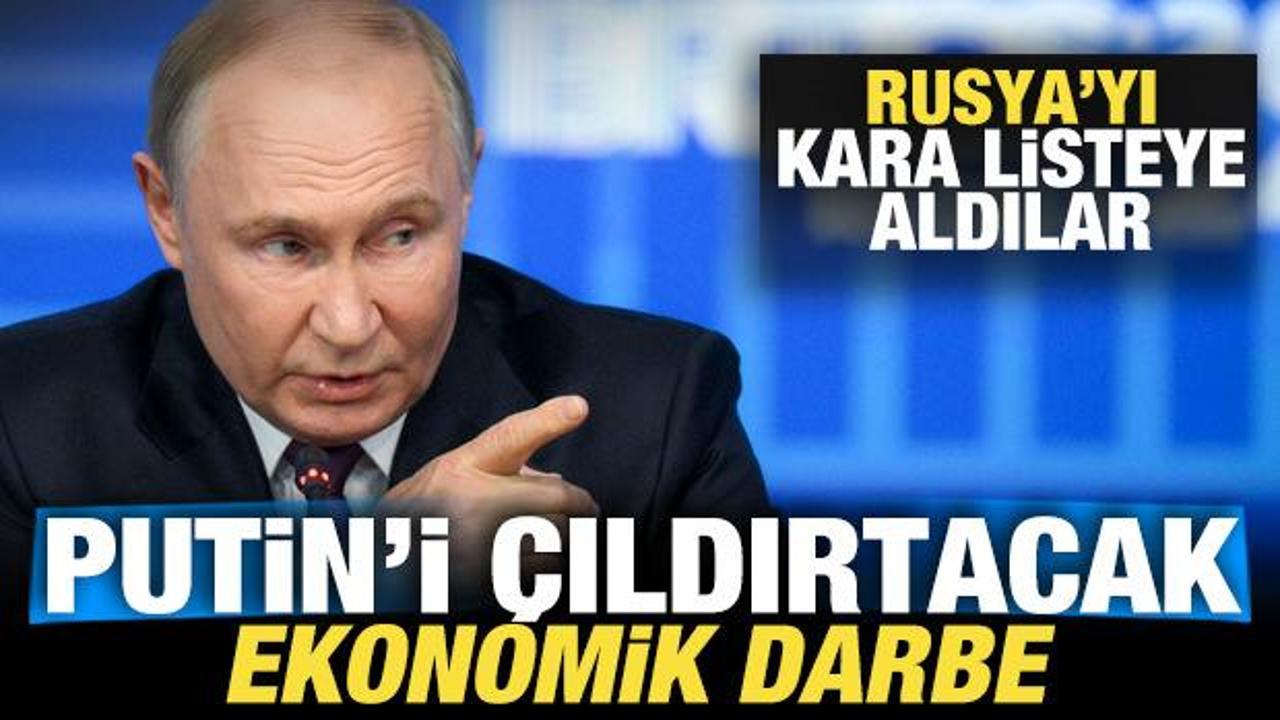
European Union High Representative for Foreign Affairs and Security Policy Kaja Kallas announced that Russia has been added to the EU's official blacklist for money laundering risks. The decision will directly affect financial relations between the EU and Russia.
Kallas said the listing will trigger fundamental changes in transactions involving Russian banks and financial institutions. Money transfers and other financial operations will slow significantly because mandatory additional security checks and bureaucratic procedures must be applied to blacklisted countries. The EU is also progressing on a 90 billion euro credit package for Ukraine and a 20th sanctions package targeting Russia.
The decision creates more than time costs; Kallas emphasized that transaction costs will also rise. Heavier compliance and risk management procedures will lift operating expenses for European firms and banks doing business with Russia. New friction is expected in trade finance instruments, letters of credit and investment transfers.
The move aims to narrow Russia's room in the financial system and shield member-state banking infrastructure from money-laundering exposure. Cross-border supply contracts, raw material payments and energy trades may carry new compliance burdens for European counterparties.
Key Takeaways:
1. Kaja Kallas announced that the EU has formally added Russia to its money laundering blacklist.
2. Transactions with Russian banks will slow significantly because of mandatory additional checks.
3. The EU is also advancing a 90 billion euro Ukraine credit package and a 20th sanctions package on Russia.
4. Operating and compliance costs will rise for European companies and banks dealing with Russia.
5. Trade finance, raw material payments and energy trades face new friction in cross-border supply flows.

