

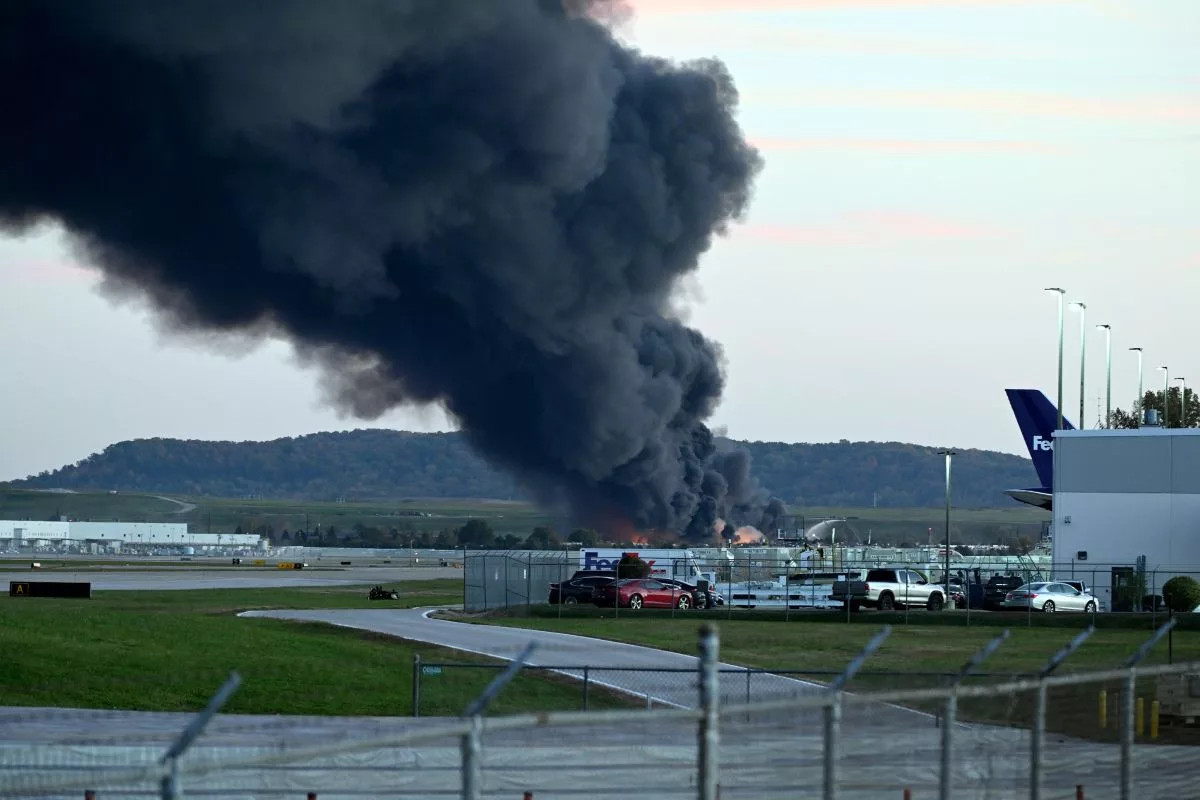
A UPS cargo aircraft that crashed in Kentucky in November in a massive fireball, killing 15 people, carried a structural flaw that Boeing identified in similar aircraft 15 years earlier, according to reports. The U.S. National Transportation Safety Board (NTSB), which is investigating the accident, has determined that cracks found in the engine attachment assembly were previously observed on other aircraft. The initial technical details made public in the investigation have triggered renewed discussion about critical engineering decisions Boeing made regarding the MD-11F cargo fuselage over the years. In light of this, cargo aviation operators and regulators are reviewing inspection frequency and recall protocols for the existing MD-11F fleet.
According to information reported by BBC News, the MD-11F cargo aircraft was preparing for departure from Louisville, Kentucky when one of its engines separated from the wing, causing the crash. In an undated update report, the NTSB notes that cracks discovered in the engine attachment assembly had previously been identified on more than one aircraft. The report also reveals that Boeing had identified the same component failure four additional times previously and sent a "service letter" to operators in 2011 alerting them to the findings. Such documentation is not legally binding and serves as a tool used by aircraft manufacturers to alert operators to critical safety or maintenance information.
At that time, Boeing concluded that the issue would not pose a threat at the "safety of flight condition" level. This assessment is now being revisited. In a statement from the manufacturer, the following was expressed: "We continue to support the investigation being conducted by the NTSB; we extend our deepest condolences to the families who have lost loved ones and share our thoughts for all those affected." Why the manufacturer did not take additional steps for possible design changes or mandatory inspection requirements following the warning remains a subject being re-examined in the report.
The NTSB investigation is ongoing; definitive findings regarding the cause of the accident have not yet been announced. The agency is refraining from comment until it publishes its final report. From a supply chain perspective, the incident stands out as a development affecting insurance premiums in the UPS cargo network, cargo freight pricing, and maintenance turnaround times. An additional requirement for engine attachment assembly inspections emerges for other cargo companies operating MD-11F fleets (operators such as FedEx and Western Global); this creates pressure on global express cargo capacity during e-commerce peak periods. As a result, risk assessment processes by Boeing and regulatory authorities for long-life cargo fuselages are being revisited with new equivalent inspection mechanisms.
Key Points:
1. An engine separates from the wing on the falling MD-11F.
2. The NTSB clarifies that similar cracks in the engine attachment assembly have been observed previously.
3. Boeing issued a service letter in 2011 informing operators.
4. The manufacturer had concluded that the issue would not pose a threat at the flight safety level.
5. The NTSB is refraining from comment until it publishes its final report.

