

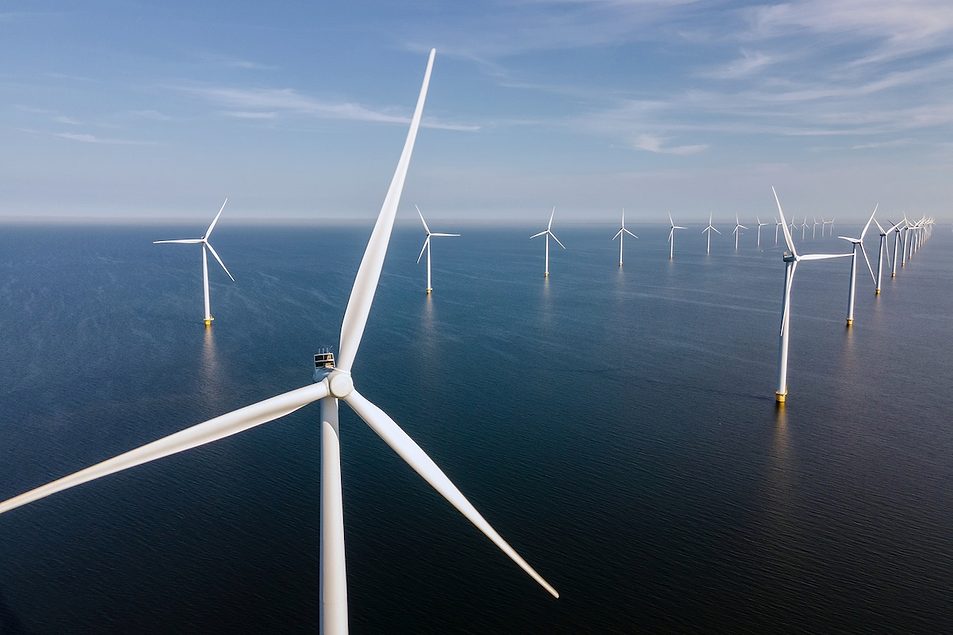
Danish developer Ørsted has filed a legal challenge against the Trump administration over the White House's late-December decision to halt construction on a U.S. East Coast wind farm project. According to The Guardian, the Trump administration ordered developers of five wind farm projects to stop work on December 22. At the time, the White House cited national security concerns as the main motivation behind the move, but did not offer further explanation.
Ørsted filed its lawsuit against the Trump administration on January 1, with the company seeking to restart one of the two U.S. wind projects it currently has under its responsibility. In its filing, Ørsted argued that the stoppage could cause "substantial harm" to the company should it drag on. Ørsted estimates that the project is 90% complete, and it had originally been scheduled to begin delivering power to American homes sometime in 2026.
Similar legal challenges have been put forward by developers of two other U.S. wind farm projects. Virginia-based Dominion Energy filed a lawsuit on December 23, and Norwegian developer Equinor followed suit on January 2. East Coast developer Avangrid is reportedly still considering whether to challenge the work stoppage, given that its wind farm off the coast of Massachusetts is already partly operational.
From a supply chain perspective, these stoppage orders create significant uncertainty for offshore wind equipment suppliers. Turbine manufacturers, cable-laying vessel operators and port logistics providers had anchored substantial investments to the multi-year U.S. project pipeline. Prolonged litigation could push orders to other wind projects in Europe or Asia, materially setting back U.S. renewable energy capacity targets and complicating the country's broader decarbonization roadmap.

