

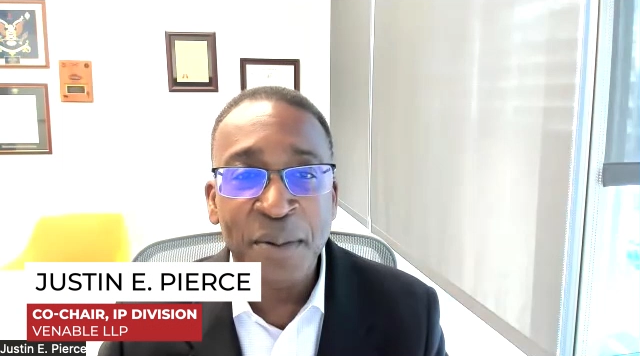
Venable LLP intellectual property co-chair Justin E. Pierce outlined the legal risks of agentic AI for SupplyChainBrain. Dozens of U.S. cases are pending on intellectual property ownership and copyrighted material use stemming from agentic AI. The autonomous nature of AI agents, taking actions with minimal or no human intervention, raises questions awaiting resolution.
According to Pierce, creative content generated purely by autonomous AI is not protectable by copyright. Copyright applies only when a human makes a meaningful modification to the agent's output. That is a serious concern for companies deploying agentic AI yet treating its output as proprietary and a source of competitive advantage.
Existing tort and product liability frameworks are not entirely adequate for agentic AI. "That's the gap we're trying to cover right now," Pierce said. AI is still nascent, output can be dynamic and unpredictable, may infringe protected or personal information, and is not 100% accurate. Mistakes happen.
Individuals who claim to have been harmed by AI actions, especially where a human failed to constrain or supervise, will likely seek to hold companies liable. Companies must focus on proper governance, segregation of sensitive data and "responsible" AI deployment, with stakeholders from multiple functions in the oversight process.
Key Takeaways:
1. Justin Pierce said dozens of pending U.S. cases involve agentic AI intellectual property questions.
2. Output produced by fully autonomous AI is not copyrightable; human modification opens the door.
3. Existing tort and product liability frameworks do not close the gap created by agentic AI.
4. Companies that fail to oversee AI may face liability claims from individuals citing harm.
5. Pierce recommends governance, sensitive data segregation and multi-function stakeholder oversight.
[42958]

