

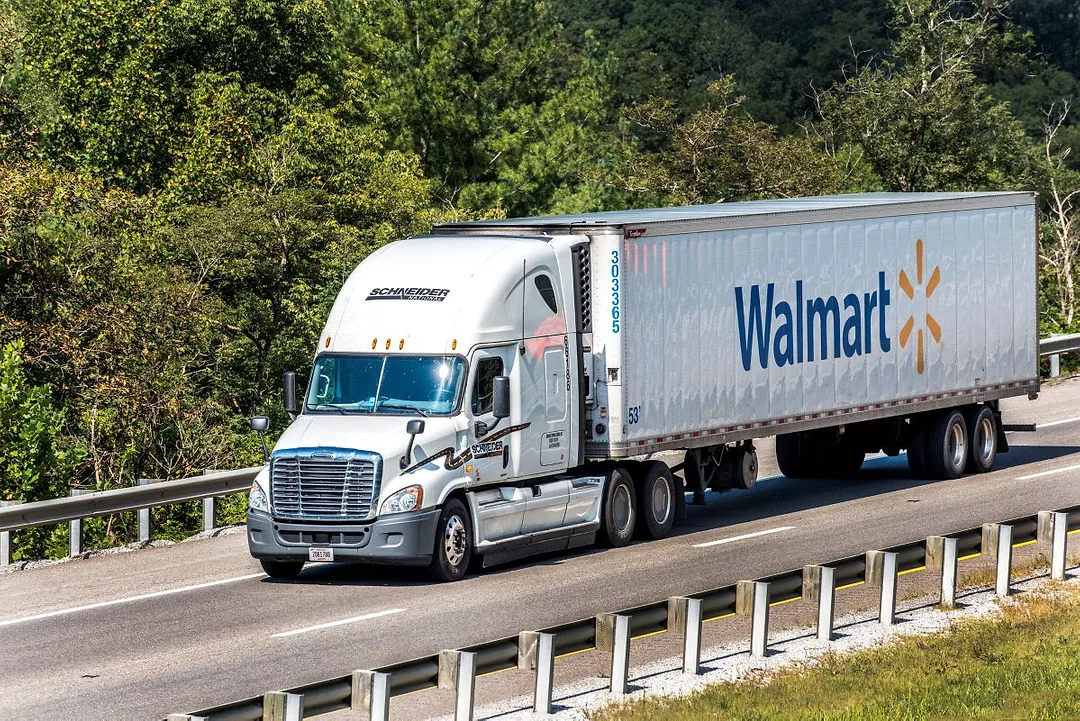
Walmart is transforming its supply chain operations from a system that merely reacts to visible disruptions into a proactive structure capable of responding in advance to upcoming change signals. The company is using artificial intelligence-powered analytics to combine multiple sources—including POS (Point of Sale) data, weather, promotional calendars, social media trends, and supplier performance—from in-store and online demand to build demand sensing models. This enables demand fluctuations to be predicted and managed before they occur.
Walmart's predictive ETA (Estimated Time of Arrival) and inventory positioning engines dynamically optimize inventory placement. Which distribution center or store a product should be located in is continuously updated based on demand projections. Additionally, substitution recommendations offered by the system minimize shelf gaps in the event of supply delays or stock shortages. This keeps the customer experience uninterrupted.
On the warehouse side, collaboration between computer vision and AMR (Autonomous Mobile Robots) reduces operational errors. Image processing technologies monitor whether products are picked correctly and positioned accurately. AMRs adjust routes based on these validations to optimize workflow. During the shipping phase, dynamic routing and yard management systems reduce wait times, improving truck and loading dock efficiency.
In supplier relationships, Walmart increases performance visibility through scorecard and control tower implementations. This allows exceptions to be identified and resolved early. Alerts for delays, quality issues, or logistics deviations are managed in real time.
In summary, Walmart's proactive artificial intelligence-based supply chain approach enhances not only the balance of speed and cost, but also service levels and customer satisfaction. This model, powered by data-driven forecasting engines, is establishing a new standard in the retail sector.
Key Points:
Demand sensing is fed by multiple data sources.
Predictive ETA optimizes inventory positioning.
Computer vision + AMR reduces errors.
Dynamic routing lowers wait times.
Control tower accelerates exception management.
We would appreciate your feedback.
Wishing you happy reading.

