

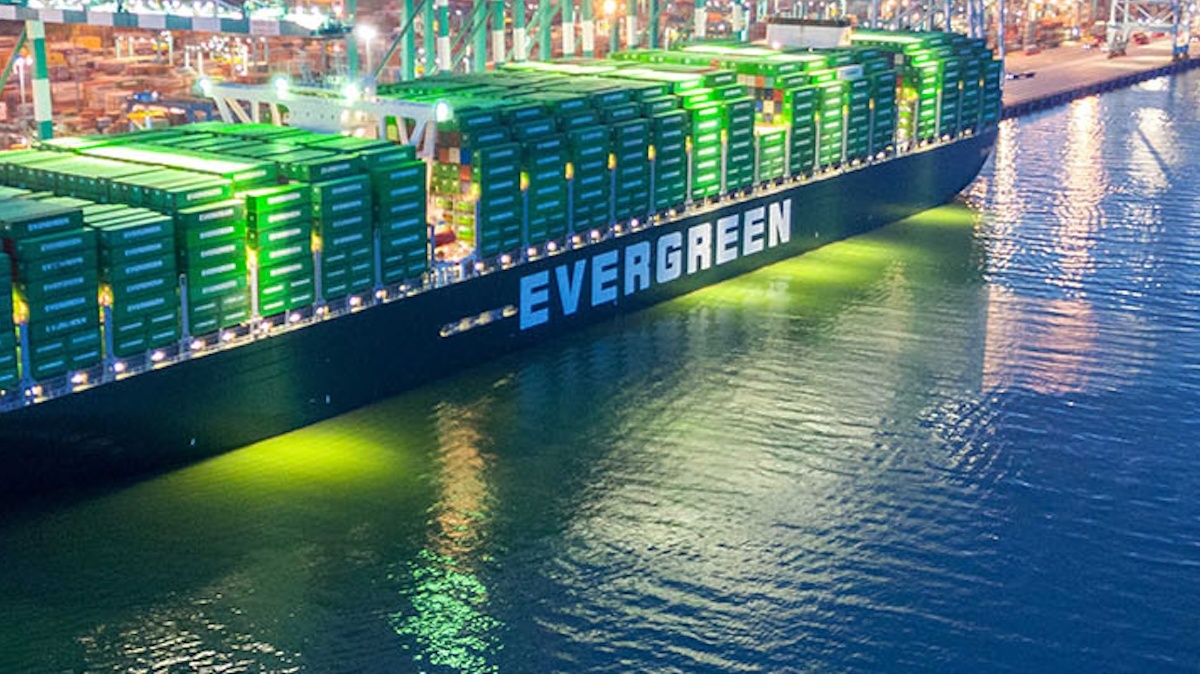
Evergreen Marine Corp. reported significant declines in revenue and profit for the first quarter of 2026. The world's seventh-largest container carrier saw consolidated revenue fall more than 21% to $2.75 billion, while net profit after tax dropped 70% to $264 million compared to the same quarter last year. The company noted that weaker shipping rates offset higher container volumes during the period.
Global carriers have struggled with weaker freight rates even as container volumes post solid results. The Iran conflict has pushed up fuel prices, while unbalanced capacity amid shipper uncertainty has created additional pressure on operating costs. Evergreen highlighted that these challenging conditions have weighed heavily on profitability across the sector.
Company management expressed optimism that the approaching peak shipping season will boost rates, while U.S. tariff issues are expected to drive shipper frontloading. These factors could provide positive momentum for financial results in the second quarter.
Other major container carriers including Hapag-Lloyd have faced similar challenges. Lower revenue and higher costs have become a sector-wide trend, while Trans-Pacific ocean freight rates remain above pre-war levels despite a muted outlook for the remainder of the year.
Evergreen Marine, listed on the Taiwan Stock Exchange (2603.TW), continues to focus on operational efficiency improvements and cost control measures for the second quarter and beyond. The company remains cautiously optimistic about market conditions stabilizing as peak season approaches.
Key Takeaways:
1. Evergreen Marine's Q1 revenue fell 21% to $2.75 billion while net profit dropped 70% to $264 million.
2. Weak freight rates and high fuel costs offset higher container volumes, pressuring profitability.
3. Iran conflict-driven fuel price increases and capacity imbalances raised operating costs sector-wide.
4. The company expects approaching peak season and U.S. tariff issues to boost freight rates.
5. Global container carriers including Hapag-Lloyd face similar financial challenges.

