

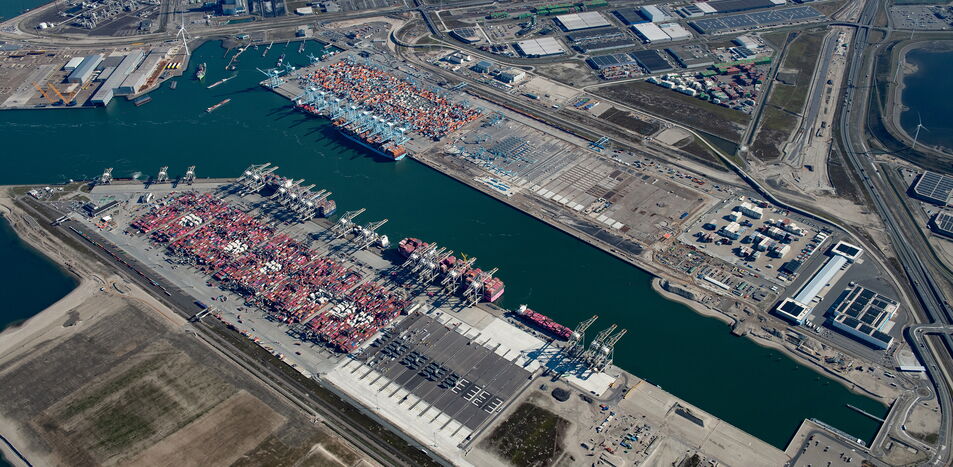
Technology company RIFT has signed a reservation agreement for a plot at Margriethaven on the Maasvlakte in the Port of Rotterdam, marking Rotterdam's selection as the site for its commercial circular iron fuel production facility. The Port of Rotterdam Authority is making a greenfield location available to support the next phase of the project, with the facility expected to become operational around 2031.
The production process converts iron oxide, commonly known as rust, into circular iron fuel using low-carbon hydrogen. The fuel can be used by industrial clients to generate heat and steam without direct CO₂ emissions at the point of use, after which the spent fuel is collected and reprocessed centrally in a closed loop.
RIFT is developing this technology specifically for industrial heat processes that are difficult to decarbonise through electrification alone, addressing a segment of industrial energy demand that has limited alternatives within current clean energy portfolios. RIFT CEO Mark Verhagen described Rotterdam as the convergence point of the essential elements required for the project's next phase, citing access to hydrogen supply, proximity to industrial demand and a strong partner network.
The company is working with InnovationQuarter to connect production, infrastructure and application within the Rotterdam industrial cluster. This development adds to Rotterdam's growing portfolio of emerging energy technologies, complementing ongoing investments in hydrogen import infrastructure, shore power and sustainable fuel storage as the port advances its role as a hub for the European energy transition.
The Port of Rotterdam continues to provide strategic locations for innovative technology companies such as RIFT, reinforcing its position as a central node in Europe's energy transformation. Iron fuel technology offers a critical alternative for reducing carbon emissions in heavy industry.
Key Takeaways:
1. RIFT has secured a site at Port of Rotterdam's Maasvlakte for its circular iron fuel production facility.
2. The facility will convert iron oxide into emission-free fuel using low-carbon hydrogen, operational around 2031.
3. Iron fuel technology targets industrial heat processes difficult to decarbonise through electrification alone.
4. Rotterdam was selected for its access to hydrogen supply, industrial demand and strong partner network.
5. RIFT is collaborating with InnovationQuarter to integrate production and infrastructure within the Rotterdam cluster.

