

Şenpres Bankrupt — 30-Year-Old Turkish Faucet & Valve Maker Exporting to 56 Countries Saw Machines Stripped from Arnavutköy Plant (Istanbul 3rd Commercial Court)
The Istanbul-based 30-year-old Turkish company Şenpres was officially declared bankrupt on 12 May 2026 by a ruling of Istanbul's 3rd Commercial Court of First Instance. Founded in 1996 and operating from a ~10,000 m² production facility in Istanbul Arnavutköy, Şenpres — together with its in-house casting foundry — had a monthly valve production capacity of 300 tonnes, 28 different faucet models and over 500 product variants, and exported to 56 countries. Known for its "100% domestic and national" production identity, the company was a frequently chosen brand at home-improvement retailers and plumbing-supplies stores with affordable domestic faucet and valve products. The firm's financial distress first led to a concordat (debt-restructuring) process and ultimately to bankruptcy.
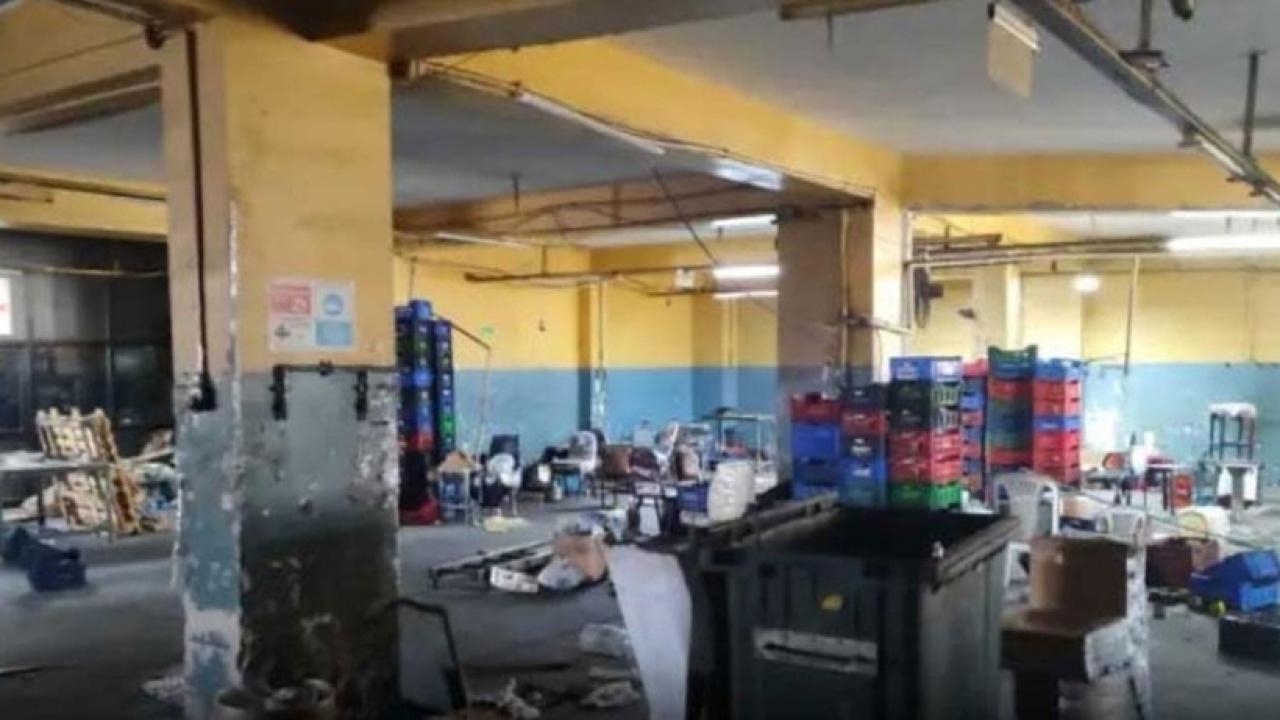
A major rupture occurred at the factory at the end of February. In a process summarised by workers as "they made us work right up to the very last moment", production stopped completely on 24 February 2026. According to allegations, large machines at the plant were dismantled and removed and replaced with worthless scrap. Further allegations surfaced that the labels of some machines were swapped to smuggle assets out of the "judicial trustee" (yediemin) inspection. The facility soon became an empty "ghost building". Workers launched legal action over four months of unpaid wages, severance pay and overtime claims. The expected ruling came on 12 May 2026 from Istanbul's 3rd Commercial Court — but the ruling was issued for a factory whose machines had largely been removed and whose interior had been emptied out.
From a supply chain perspective, this bankruptcy is critical along four axes. First, the Turkish faucet and valve sector competes in global markets in the affordable mid-quality segment against Italian (Grohe, Hansa, Bonomi), Chinese (CNJOY, Sanipro) and Indian (Jaquar, Cera) rivals, via export networks reaching 56 countries; Şenpres's exit will intensify consolidation pressure within the domestic cluster (ECA, Artema, Eyüboğlu, Vitra Karo), and a narrowing of the supplier pool is expected particularly in home-improvement private-label categories. Second, suspicions of machine dismantling and asset smuggling past judicial-trustee inspection bring back to the agenda Türkiye's structural weakness in asset-preservation mechanisms within concordat/bankruptcy processes; cases that have risen over the past 24 months along the Tax Procedure Law Art. 12 (trustee liability), Turkish Commercial Code Art. 376 (capital-loss threshold) and Enforcement and Bankruptcy Law Art. 245-256 (bankruptcy administration) tracks — Modern İnvest Karaman, the 1990 Aydos Metal case (cited in reader comments), the 2012 Istanbul textile chain — point to a systemic pattern. Third, the end-to-end collapse of a 300 tonnes/month of valves + 28 faucet models + casting foundry capacity translates directly into revenue loss for brass (Cu-Zn alloy) raw-material suppliers and for the auxiliary sub-branches within the Istanbul Tuzla/Gebze casting cluster; an estimated 15-20 small suppliers around chrome plating, polishing and packaging may have been dependent on this node. Fourth, the four months of unpaid wages + severance + overtime claims are a typical example of how the concordat → bankruptcy → liquidation chain expands the public-sector burden on the Wage Guarantee Fund (UGF) and SGK (Social Security Institution) unemployment benefits lines — the risk that this chain triggers further losses across the Istanbul plumbing-fittings cluster in the coming quarter should be watched.
Key Takeaways:
1. Istanbul's 3rd Commercial Court of First Instance ruled on 12 May 2026 the bankruptcy of Şenpres, which had operated for 30 years in a 10,000 m² facility in Istanbul Arnavutköy.
2. Şenpres exported to 56 countries with a monthly capacity of 300 tonnes of valves, 28 faucet models and 500+ product variants.
3. Production stopped completely on 24 February 2026; financial distress first led to a concordat process and then to bankruptcy.
4. Per allegations, large machines were dismantled and removed and replaced with scrap; some machine labels were swapped to smuggle assets past the "judicial trustee" (yediemin) inspection.
5. Workers launched legal action for four months of unpaid wages, severance and overtime.
6. The court ruling was issued for a factory whose machines had largely been removed and whose interior had been emptied out.
7. Supply chain impact: consolidation pressure in the Turkish faucet/valve sector (ECA / Artema / Vitra) + asset-preservation weakness in concordat → bankruptcy (yediemin / TTK 376 / İİK 245-256) + revenue loss for auxiliary suppliers in the Istanbul casting cluster (chrome plating / polishing / packaging) + rising public-sector load on the UGF + SGK unemployment-benefit lines.

