

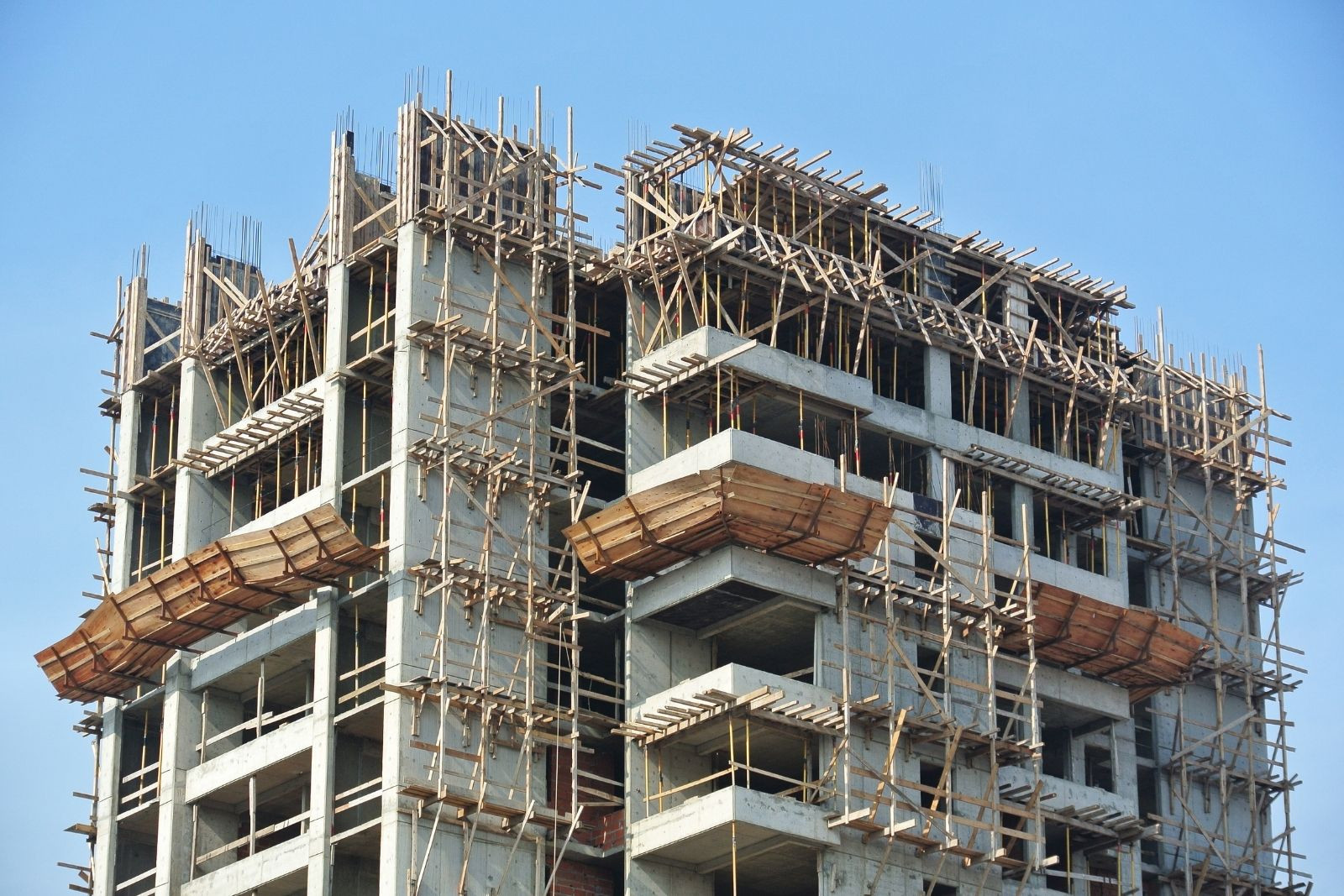
The Turkish Statistical Institute (TUIK) released its March 2026 Construction Cost Index data. The index rose 2.76% month-on-month and 27.24% year-on-year in March. The annual rise in construction costs hit its highest level since December 2024, while the monthly figure was the strongest March reading since 2022.
Compared with the previous month, the material index rose 3.50% and the labour index 1.54%. Year-on-year, the material index rose 25.61% and the labour index 30.07%. The building construction cost index rose 1.89% MoM and 26.26% YoY; building material was up 2.23% MoM and labour up 1.33% MoM.
Behind the sharp increase lies the impact of higher oil and diesel prices after the Iran War on the energy costs of cement, steel, asphalt and plastics production. Turkish steelmakers (Erdemir, Isdemir, Kardemir) have shifted to Russian alternatives for coking coal imports, adding further pressure on domestic prices. At the same time, reconstruction volumes following the February 6, 2023 earthquakes are keeping the base of existing demand high.
From a supply chain perspective, contractors and energy-intensive material suppliers (cement, ready-mix concrete, prefab) are trying to spread cost increases over time. Public projects under the Ministry of Environment, Urbanisation and Climate Change's 'escalation formula' enjoy some protection; private contractors, however, face pressure to secure additional financing and renegotiate contracts. With residential per-square-metre costs rising 26% annually, given inelastic demand, a delayed pass-through to local CPI is also expected.
Key Takeaways:
1. TUIK March 2026 Construction Cost Index rose 2.76% MoM and 27.24% YoY.
2. Annual rise is the highest since December 2024; MoM the strongest March since 2022.
3. Materials up 25.61% YoY, labour 30.07%; building cost index up 26.26% YoY.
4. Driver is post-Iran War oil/diesel prices plus steel input costs.
5. Public projects benefit from escalation formulas; private contractors face contract renegotiation pressure.

