

ENKA Kırklareli 850 MW Natural Gas Plant Opens — Türkiye's First Major Combined-Cycle Investment in a Decade, Thrace-Istanbul Supply Security
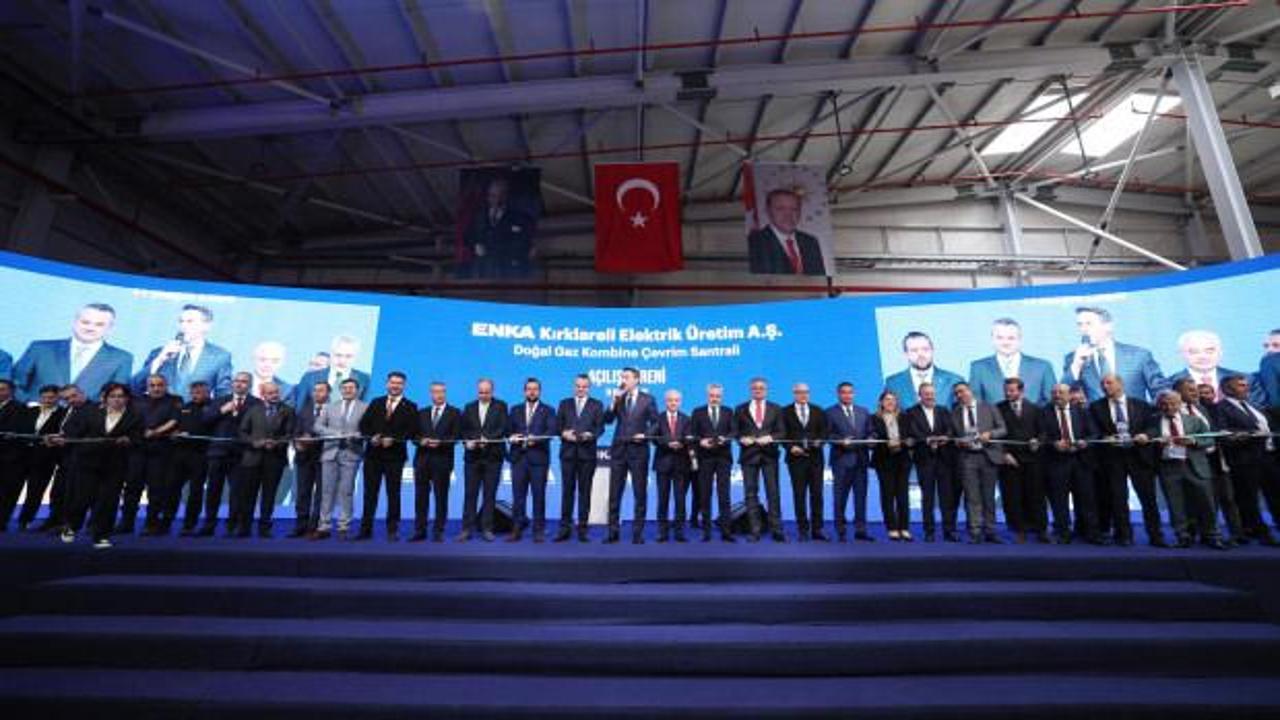
Türkiye's Minister of Energy and Natural Resources, Alparslan Bayraktar, inaugurated the 850 MW Kırklareli Natural Gas Combined-Cycle Power Plant built by ENKA in Kırklareli. The new large-scale natural gas combined-cycle facility — the first commissioned in Türkiye after nearly a 10-year gap — has an annual generation capacity of 7 billion kilowatt-hours (kWh) and, at full load, can meet the electricity needs of 2.5 million homes. The plant will operate at an efficiency above 63%, reducing fuel consumption and carbon emissions. Bayraktar stressed that the plant will provide a critical contribution to electricity supply security across a broad geography led by Thrace and Istanbul and will enable more balanced, flexible operation of the transmission system.
The plant fits into a larger energy architecture. Within Türkiye's installed capacity exceeding 125 GW, natural gas plants play a foundational role with ~25 GW (roughly one-fifth). In 2025, 23% of total generation (83 billion kWh out of 363 billion kWh) came from natural gas. Minister Bayraktar described natural gas as a "transition fuel" in Türkiye's energy transformation and announced the target of adding 10 GW of new natural gas capacity by 2035. This target both supports the path to net-zero emissions by 2053 and strengthens the "system insurance" role of natural gas in balancing intermittent renewables. On the BOTAŞ side, infrastructure investment continues: pipeline and LNG procurement across six continents, 22 million m³/day of domestic and overseas production including the Sakarya Gas Field, LNG regasification capacity grown 5× since 2016 to 161 million m³/day, and a target of 200 million m³/day with two new FSRUs. The combined capacity of the Silivri and Tuz Gölü underground storage facilities reached 6.3 billion m³, and the target is to be able to store at least 20% of annual consumption by 2028.
From a supply chain perspective, the investment is critical along four axes. First, the Marmara Region — Türkiye's industrial and manufacturing base — is the country's most electricity-intensive geography; Istanbul + Thrace industrial zones for automotive (Tofaş, Ford Otosan, Mercedes-Benz Aksaray), home appliances, textiles, and port operations directly benefit from an improved supply-security margin. Second, FSRU + LNG storage investments diversify Türkiye's maritime energy imports during Strait of Hormuz / Suez Canal risk periods — Algeria LNG transit agreement (Minister's 8 May announcement) and Sakarya domestic production balance the procurement portfolio. Third, the 20% storage target by 2028 marks a major step toward European storage filling regulation standards; this is critical both for winter supply security and EU CBAM alignment. Fourth, the >63% efficiency means improved specific CO₂ emission intensity compared with older combined-cycle technology — a sector reference for using natural gas as a bridge fuel on the road to net zero 2053.
Key Takeaways:
1. The 850 MW ENKA Kırklareli Natural Gas Combined-Cycle Plant was inaugurated by Minister Alparslan Bayraktar; it is the first major combined-cycle investment commissioned in Türkiye after a 10-year gap.
2. 7 billion kWh annual generation capacity; can supply 2.5 million homes' electricity needs at full load.
3. Operating efficiency above 63%; improved fuel consumption and CO₂ emission intensity versus older plants.
4. Türkiye's installed capacity exceeds 125 GW; natural gas plants account for ~25 GW (one-fifth); in 2025, 83 billion kWh (23% of total generation) came from natural gas.
5. Target: add 10 GW of new natural gas capacity by 2035; positioned as a "transition fuel" on the road to net zero 2053.
6. BOTAŞ infrastructure: supply from 6 continents, 22 million m³/day domestic production including the Sakarya Gas Field, LNG regasification at 161 million m³/day (target 200 with two new FSRUs), Silivri + Tuz Gölü storage 6.3 billion m³.
7. Target to store at least 20% of annual consumption by 2028 — a critical step toward European standards and winter supply security.

