

Aramco CEO Nasser: ~1 Billion Barrels Have Left World Oil Market in Two Months, Hormuz Block Delays Normalization
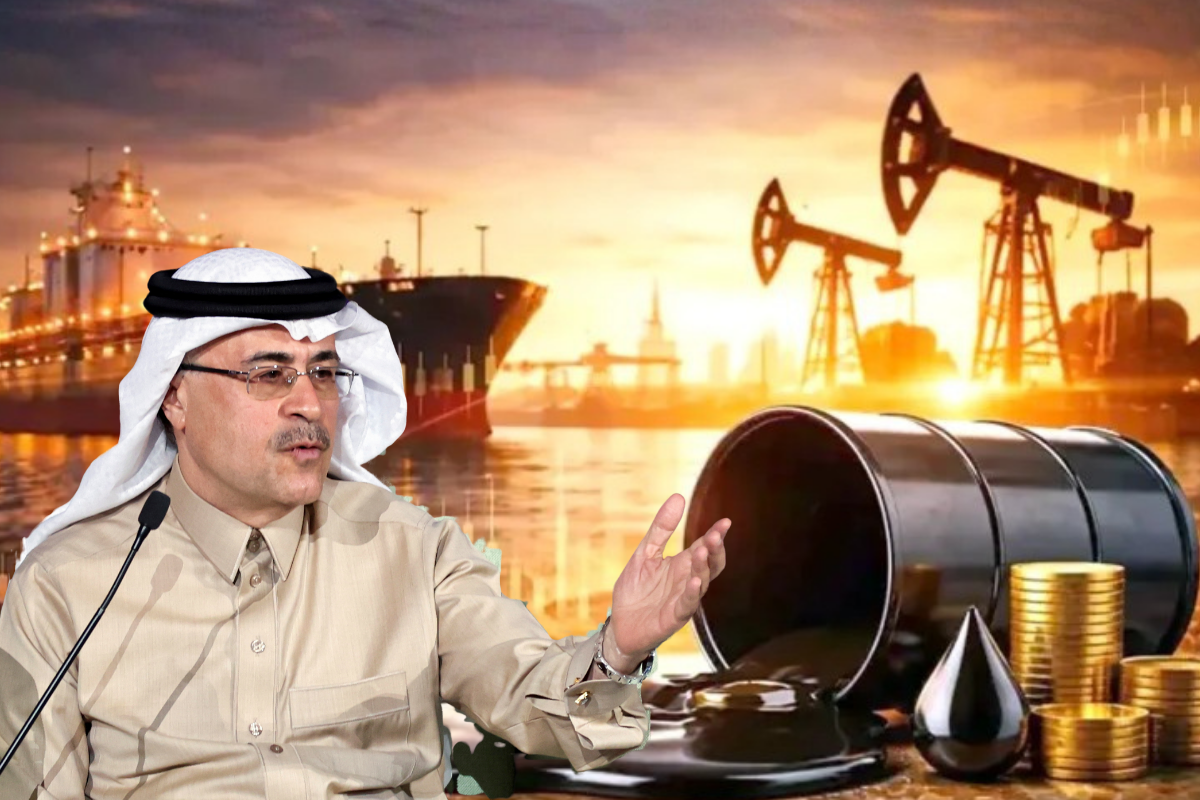
Saudi Aramco's CEO Amin Nasser said, after the company posted a 25% net profit increase in the first quarter of 2026, that roughly 1 billion barrels of oil have left the world market over the past two months. Nasser's remarks are notable for placing the structural impact of Iran's blockade of the Strait of Hormuz on global energy supply into the same window as Aramco's own financial report. Nasser also stressed that even if oil flow restarts, markets will not normalize in the short term and that Aramco's objective is to “keep energy flowing even when the system is under pressure.”
The Aramco CEO said the interruption of tanker traffic through the Strait of Hormuz has pushed oil prices upward and that the company is actively using the East-West Pipeline to manage the crisis, describing the line as “a critical lifeline mitigating the global supply crunch.” Historically, this pipeline can move around 5 million barrels per day of Saudi crude bypassing Hormuz to the Yanbu (Red Sea) terminal; the fact that this capacity is being run at the upper bound in the second month of the effective Hormuz closure underscores how far Aramco has pushed its structural alternative-channel strategy.
The “roughly 1 billion barrels lost in two months” figure is contextually striking: with global daily demand around 100 million barrels, a two-month window equates to roughly 6 billion barrels of consumption — meaning the disruption alone accounts for nearly two weeks' worth of total global demand and offers the first high-level industry quantification of the cumulative structural losses from the U.S.-Iran-anchored Hormuz blockade that has been in force since 13 April 2026. Nasser further noted that pressure in energy markets is not driven by geopolitics alone — years of underinvestment upstream have already left global oil inventories at low levels, and the combination of the two factors is delaying price and supply normalization; the framing signals that structural pressure on Brent and on tanker war-risk premiums may remain sticky into the next quarter.
Key Takeaways:
1. Aramco CEO Amin Nasser, speaking after a 25% Q1 2026 net profit jump, said roughly 1 billion barrels of oil have left the world market over the past two months.
2. Nasser: 'Even if oil flow restarts, markets will not normalize in the short term' — Aramco's strategic priority is to keep energy flowing under pressure.
3. Aramco is actively running the East-West Pipeline (capacity ~5 million b/d) to bypass Hormuz and labels it 'a critical lifeline' mitigating the supply crunch.
4. Global daily demand is around 100m barrels; a 1 billion-barrel loss over two months equates to nearly two weeks of global consumption — the first high-level industry quantification of cumulative losses from the Hormuz blockade in force since 13 April 2026.
5. Nasser frames the pressure as driven not just by geopolitics but also by years of underinvestment upstream; structural pressure on Brent and tanker war-risk premiums may persist into Q3.

