

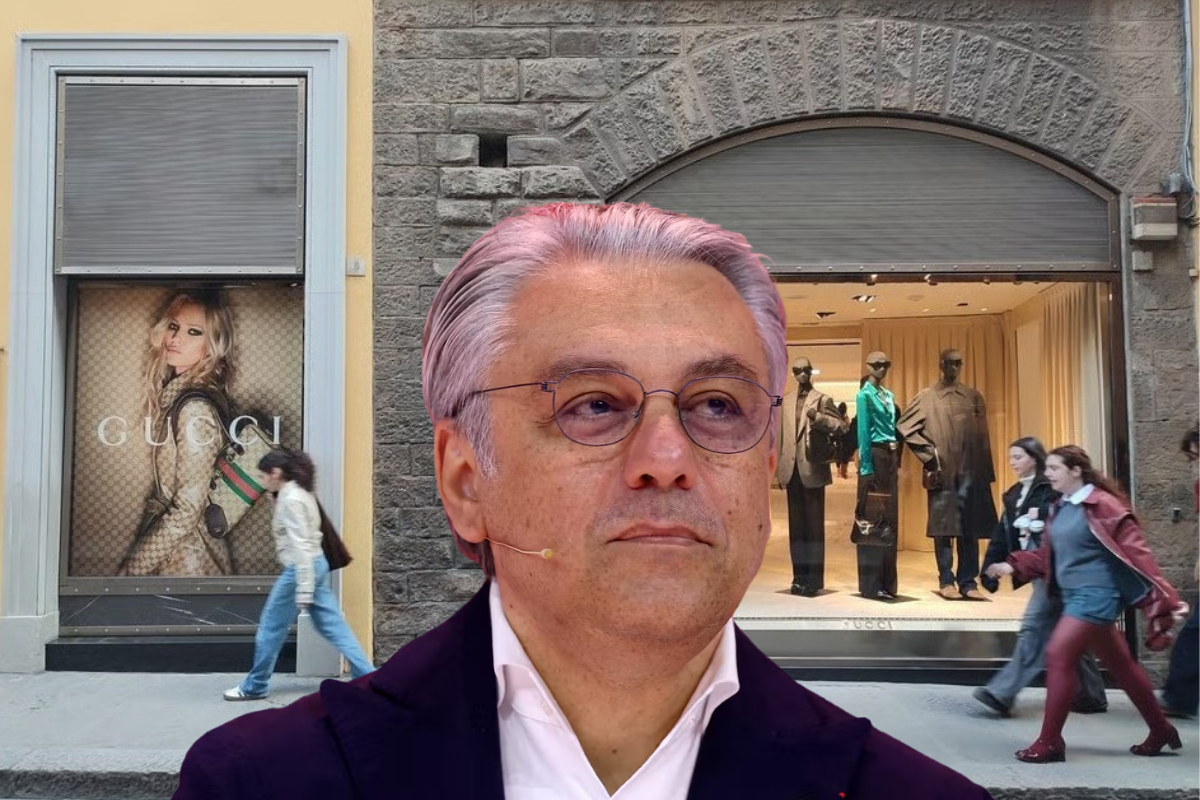
Kering, parent of Gucci, Saint Laurent and Balenciaga, is one of the top three players in global luxury. The sharp cost-cutting measures taken by CEO Luca de Meo — recruited from Renault in late 2025 to reverse softening luxury demand, the Chinese-market slowdown and margin erosion — have triggered a labour backlash. Italian unions FILCAMS-CGIL and UILTuCS called strike action across the country, starting with Gucci workshops in Tuscany.
De Meo's plan is multi-layered: sales-team headcount reductions, extended supplier payment terms, side-line product closures and a tighter returns policy in stores. Unions argue that lengthening supplier payment terms from 120 to 180 days will push small and mid-size workshop-suppliers in Tuscany and Veneto into a cash-flow crisis. Given that a sizeable share of the luxury production ecosystem rests on these small ateliers, the friction is expected to feed directly into the production line.
For the supply chain, the strike call brings the structural fragility of luxury brands' "made in" Italy, France and Switzerland chains back into focus. The luxury production network rests on narrow-specialist firms — leather tanners, mould makers, sewing ateliers, accessory component producers. If those firms tip into cash-flow distress or absorb strike-driven production stops, finished goods reaching the end customer face 8-12-week delivery delays and a sell-through hit in the autumn/winter 2026 season. At brand level, that creates a clear trade-off for Kering between short-term margin protection and long-term producer-base sustainability.
Key Takeaways:
1. Kering CEO Luca de Meo's sharp recovery plan has triggered strike calls from Italian unions FILCAMS-CGIL and UILTuCS.
2. The plan covers sales headcount cuts, supplier payment terms moving from 120 to 180 days, side-line closures and a tighter returns policy.
3. Small workshop-suppliers in Tuscany and Veneto face cash-flow stress that could feed directly into the production line.
4. An 8-12-week delivery delay and a sell-through hit in autumn/winter 2026 are emerging risks for the luxury portfolio.
5. Luxury brands' 'made in' Italy/France/Switzerland chains are again exposed as structurally fragile due to narrow-specialist suppliers.

