

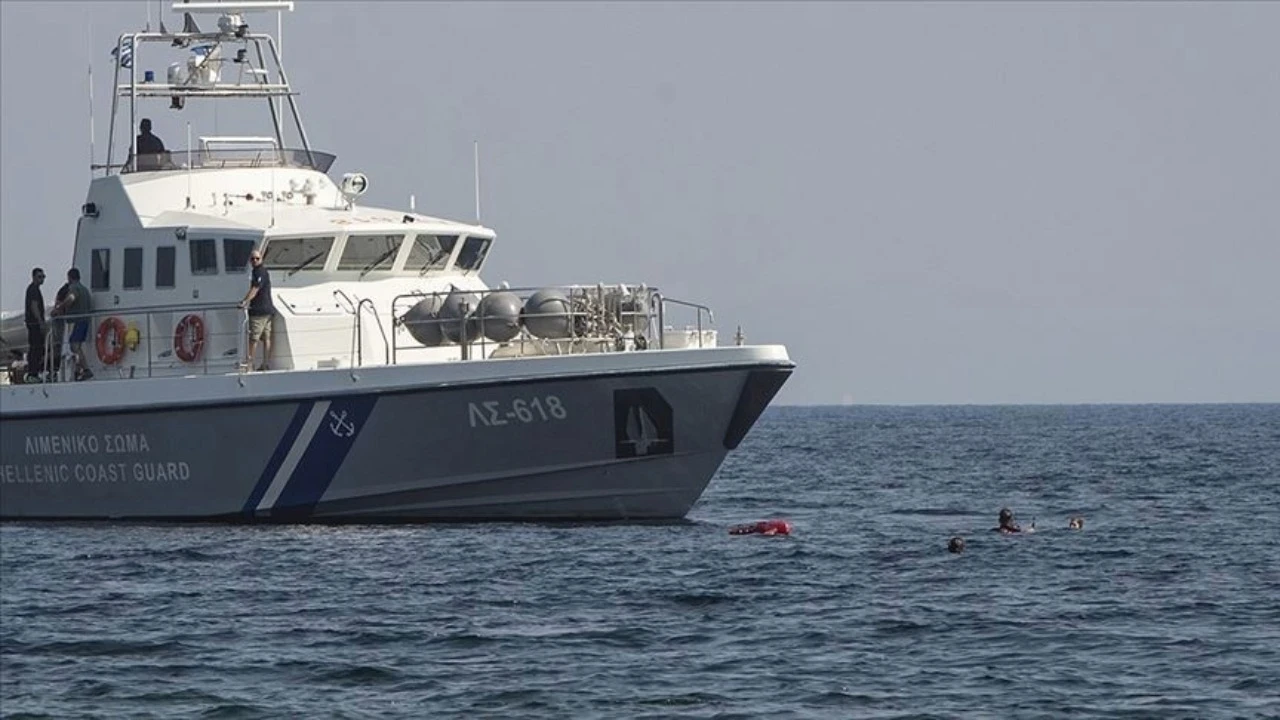
A Vanuatu-flagged cargo ship carrying 8,000 tonnes of soda from Albania to Ukraine struck rocks and sank off Andros Island in the Sea of Islands in the morning hours, according to Greek state broadcaster ERT. The vessel was crewed by nine personnel — eight Turkish and one Azerbaijani nationals. Greek Coast Guard units rescued the entire crew and transported them to Andros Island; no casualties or serious injuries were reported.
Soda is a critical industrial feedstock used in glass manufacturing, detergent formulations, pulp processing, alumina refining and a variety of chemical processes. The loss of an 8,000-tonne shipment on the Albania-Ukraine trade lane is too small to cause a direct global impact, but in the broader context of Black Sea basin routings — where Albania-Ukraine voyages typically transit the Aegean and the Dardanelles-Bosphorus straits — the vessel type and voyage profile warrant closer inspection.
The accident under Vanuatu flag revives the flag of convenience discussion. Vanuatu registers a commercial fleet disproportionately large relative to its economy, a profile that has periodically drawn attention in Paris MoU and Tokyo MoU port state control performance lists in terms of vessel inspection rigour, spare-part availability and flag state enforcement of mandatory standards. Investigation focus areas will likely include the classification society, vessel age, the most recent inspection report, the deficiency list from the latest port state control, and the navigation profile at the moment of grounding (AIS track, weather, visibility and current conditions). On the P&I insurer side, key cost items will be cargo loss, environmental risk (the cargo is not chemically toxic but creates seabed and coastal recovery costs) and crew evacuation logistics.
For Turkish maritime stakeholders, the rapid Greek Coast Guard rescue underlines the value of SAR cooperation protocols across the Sea of Islands. Beyond the immediate rescue, the incident reinforces three structural points for the wider supply chain. First, that Aegean transit safety remains acutely sensitive to weather, visibility and grounding risk despite modern navigation aids. Second, that Albania-Ukraine general cargo flows are a continuing — if low-volume — trade lane that intersects the Turkish straits' load. Third, that the prevalence of multinational crews on flag of convenience tonnage requires consular and SAR authorities to be prepared for cross-border coordination on every routine voyage that ends in casualty.
Key Takeaways:
1. A Vanuatu-flagged cargo ship carrying 8,000 tonnes of soda struck rocks and sank off Andros Island in the Sea of Islands in the morning hours, as reported by Greek state broadcaster ERT.
2. The nine-strong crew comprised eight Turkish and one Azerbaijani nationals; the Greek Coast Guard rescued the entire crew and transported them to Andros Island.
3. The ship was carrying 8,000 tonnes of soda from Albania to Ukraine; soda is a critical industrial feedstock used in glass manufacturing, detergents, pulp processing and alumina refining.
4. The accident under Vanuatu flag revives the flag of convenience discussion; classification society, latest inspection record and navigation profile will be central to the investigation.
5. Key P&I insurer cost items include cargo loss, environmental and coastal recovery costs, and crew evacuation logistics.

