

Rotterdam Port Industrial Cluster Greenhouse Gas Emissions Rose 11% in 2025, Driven by Power Generation and Refineries
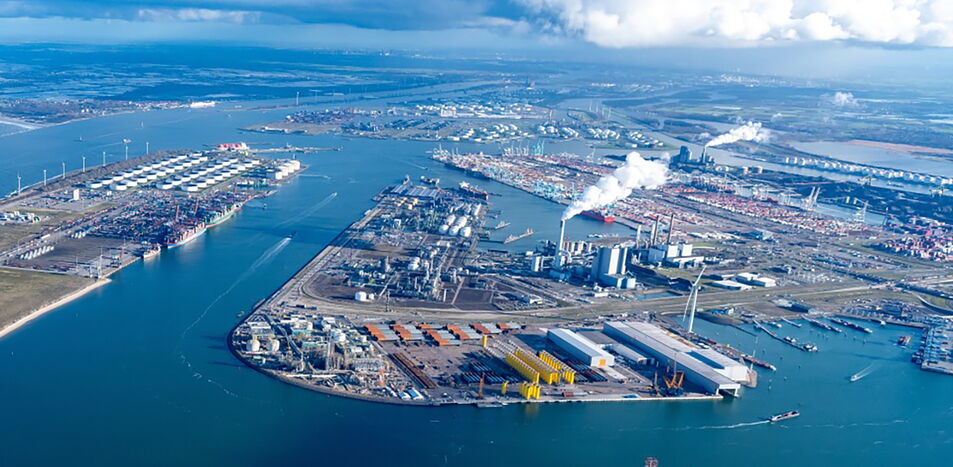
Greenhouse gas emissions from companies in the Port of Rotterdam industrial cluster rose by 2.1 million tonnes, or 11 percent, between 2024 and 2025, reaching a total of 21.2 million tonnes of CO2 equivalent. According to data published by the Netherlands Emissions Authority, the increase was driven primarily by higher electricity generation at the port's power plants in response to stronger foreign demand from European markets. The five power plants operating in the port area collectively emitted 1.6 million tonnes, or 33 percent, more greenhouse gases in 2025 than in the prior year.
Looking at the detail, coal-fired power plants increased electricity production by 38 percent, while the three gas-fired plants produced 25 percent more, generating a comparable rise in CO2 emissions. Across the Netherlands as a whole, electricity production from coal rose 25 percent and from natural gas 11 percent, with approximately a quarter of this additional output originating from Rotterdam. The 6 percent growth in Dutch renewable electricity generation from solar and wind sources was insufficient to satisfy European demand, necessitating the increased output from fossil fuel plants.
Refinery activity in the port also expanded in 2025, driven by higher refining margins in Northwest Europe. The four refineries in the Rotterdam port area processed more crude oil than in 2024, contributing an additional 0.3 million tonnes, or 4 percent, to the cluster's total emissions. The port area's share of national greenhouse gas emissions stood at 14.5 percent in 2025.
The data illustrate the tension between Rotterdam's role as a critical supply-chain node in the European energy system and the port's longer-term decarbonisation objectives. Short-term energy security demands from neighbouring countries drove increased fossil fuel output despite broader transition commitments. The result is a reversal of the expected 2025 downward trend in the port's emissions profile and a more visible indirect effect on regimes such as FuelEU Maritime and EU ETS on port-call premiums and Scope 3 reporting.
Key Takeaways:
1. Greenhouse gas emissions from the Port of Rotterdam industrial cluster rose 11% in 2025 to 21.2 million tonnes of CO2 equivalent.
2. The five power plants emitted 33% more (1.6 million tonnes); coal-fired output rose 38% and gas-fired output rose 25%.
3. Roughly a quarter of additional Dutch fossil power generation came from Rotterdam; renewables grew only 6%, insufficient to meet European demand.
4. Four Rotterdam refineries processed more crude on stronger northwest European margins, adding 0.3 million tonnes to cluster emissions.
5. The port area accounted for 14.5% of national emissions; FuelEU Maritime, EU ETS and Scope 3 pressure on port-call premiums is becoming more visible.

