

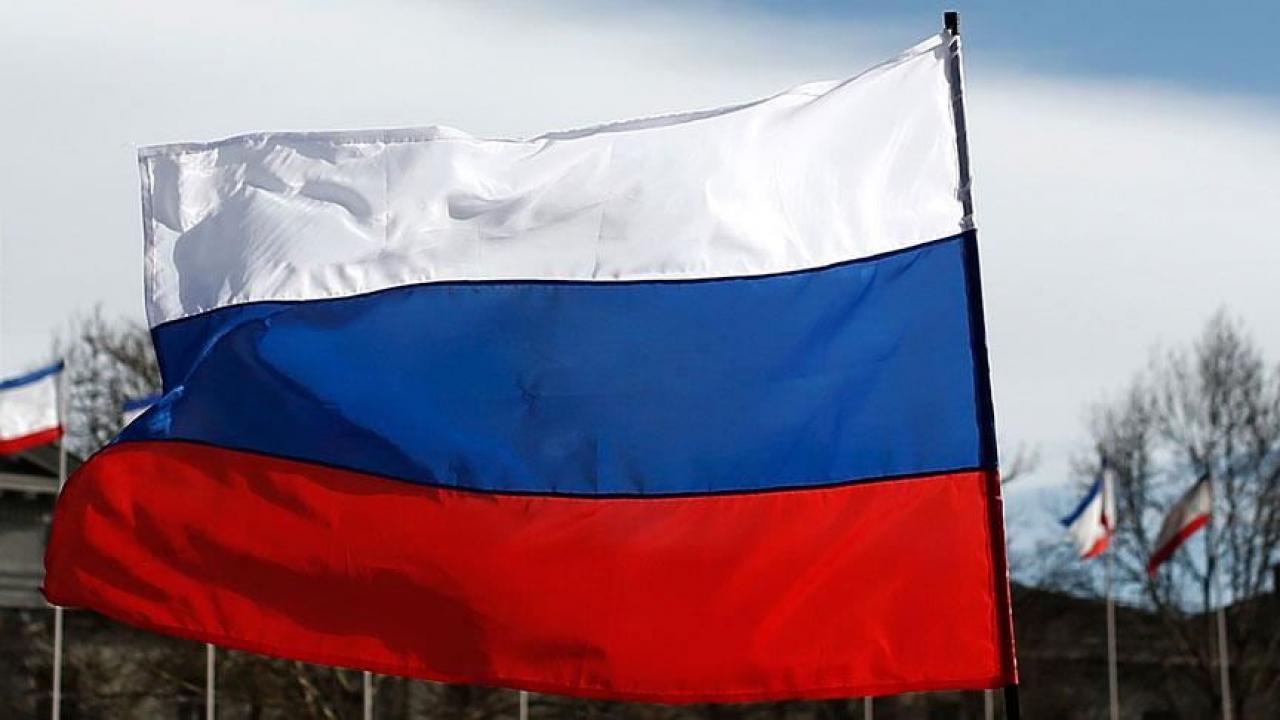
Kremlin spokesman Dmitry Peskov spoke to journalists in Moscow. Commenting on the United Arab Emirates' decision to exit the Organization of the Petroleum Exporting Countries (OPEC) and OPEC+ as of May 1, Peskov said it was the UAE's sovereign decision and that Moscow respects it. He added that Russia welcomed the UAE's statement that it would follow a responsible approach in energy markets and remain in coordination with the format.
Asked whether Moscow plans to leave OPEC+, Peskov's answer was clear: "No. This format helps significantly minimize fluctuations in energy markets and stabilize them." The statement clarified Moscow's official position against speculation that OPEC+ could fragment after the UAE's exit. Russia's explicit reaffirmation of OPEC+ quota commitments is also read as a signal that remaining members (Saudi Arabia, Kazakhstan, Azerbaijan, Kuwait, etc.) will sustain production discipline within the format.
Peskov also addressed the situation following the drone strike on the oil refinery in Tuapse, Krasnodar region, attributing the incident to Ukrainian UAV strikes. President Vladimir Putin received a briefing from Emergency Situations Minister Aleksandr Kurenkov, Peskov said, and recovery work continues. He used the phrase: "Just as we struggle, the international community is desperately struggling to cope with the consequences on international markets of the oil shortage caused by Kiev's criminal acts."
From a supply chain and energy procurement perspective, the Kremlin's OPEC+ loyalty signal carries three important markers. First, OPEC+ quota discipline will continue into the second half of 2026 — meaning production management aimed at holding Brent in the $70-$80 band remains on track. Second, the UAE's OPEC exit may shift Gulf-region production governance toward a more fragmented structure; the UAE exercising full sovereignty over its production volume may open alternative contract options for Asian buyers. Third, the Tuapse refinery strike (one of a recurring series since October 2024) is disrupting product exports from Black Sea ports — for nearby regional buyers like Turkish Petroleum Refineries (Tüpraş), crude-supply diversification stays on the agenda.
Key Takeaways:
1. Kremlin's Peskov: Russia is not planning to leave OPEC+; the format helps minimize energy-market volatility.
2. On the UAE's May 1 exit from OPEC and OPEC+, Moscow: 'sovereign decision, we respect it; the UAE's statement of responsible approach and coordination is welcome.'
3. Signal for OPEC+ quota discipline: production management aimed at holding Brent in $70-$80 will continue into H2 2026.
4. Ukrainian drone strike caused damage to Tuapse oil refinery; Putin received a briefing from Emergencies Minister Kurenkov, recovery works continuing.
5. For nearby regional buyers like Tüpraş, crude-supply diversification stays on the agenda — product exports from Black Sea ports are disrupted.
[3623949]

