

US Treasury Expands OFAC Alert: Strait of Hormuz 'Toll' Payments Trigger Sanctions Risk for Shipowners
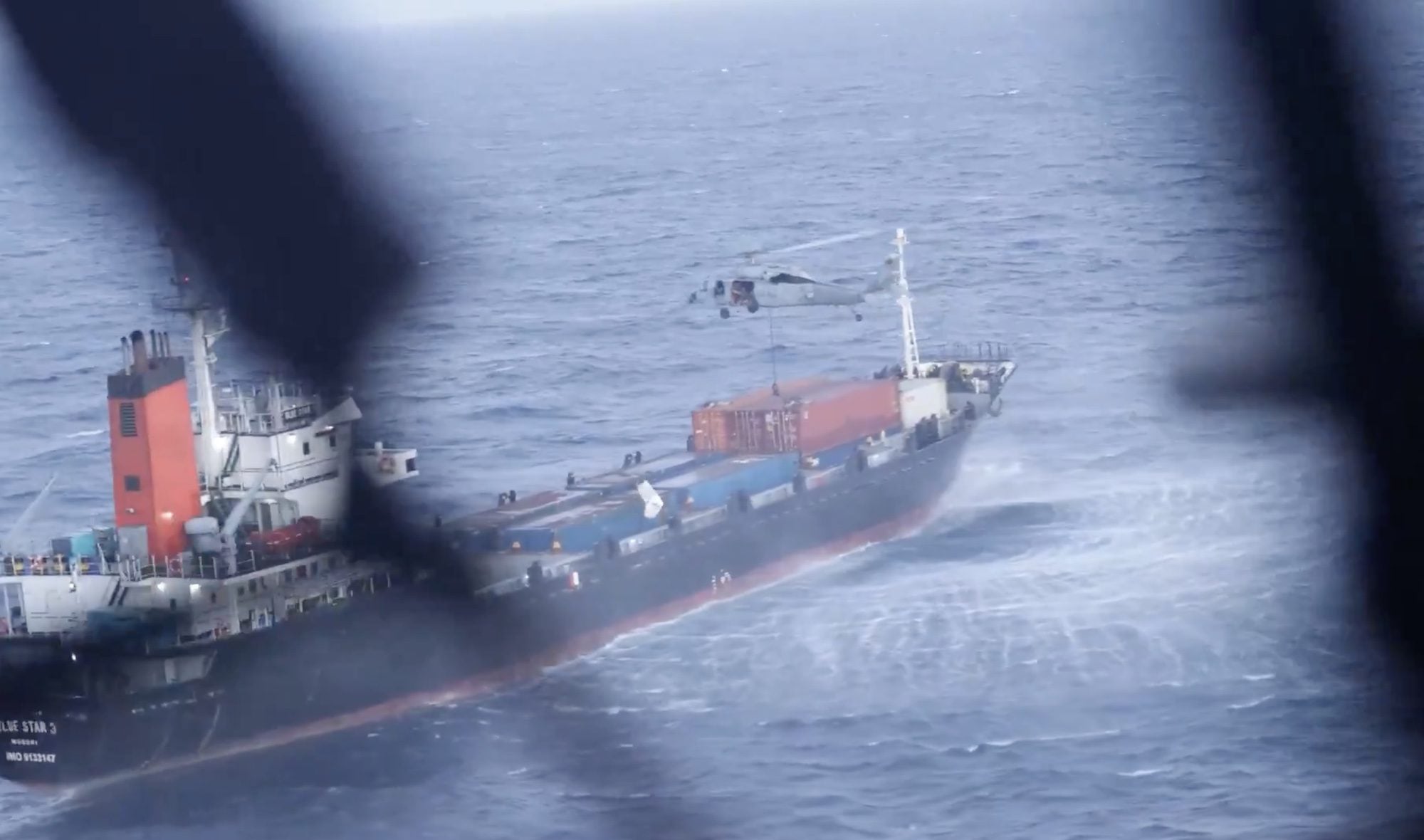
The U.S. Treasury Department has widened its warning over reported Iranian 'toll' demands in the Strait of Hormuz, issuing a new alert that lays out, in far more detail, the sanctions risks facing shipowners and the broader maritime supply chain. The May 1 alert from the Office of Foreign Assets Control (OFAC) follows this week's FAQ 1249 but moves beyond general guidance, spelling out how such payments could be structured and how easily they could trigger enforcement.
According to OFAC, Iranian demands for 'safe passage' may not come as straightforward fees. Payments could take multiple forms, including cash, digital assets, offsets, informal swaps, or even in-kind transactions such as charitable donations routed through Iranian-linked organizations like the Iranian Red Crescent Society or Bonyad Mostazafan. The takeaway is that wherever value is transferred to the Iranian government or the Islamic Revolutionary Guard Corps in connection with passage, the sanctions risk is there.
For U.S. persons and U.S.-controlled foreign entities, that risk is effectively a prohibition. Transactions involving Iran or the IRGC are broadly barred unless specifically authorized. But OFAC's message is clearly aimed beyond U.S. companies: non-U.S. shipowners, insurers and financial institutions could find themselves exposed through secondary sanctions, including the possibility of losing access to the U.S. financial system if they facilitate or participate in these arrangements. The alert also flags that Iranian crypto exchanges are considered blocked financial institutions, meaning even indirect involvement could create compliance problems.
One of the more notable elements is how directly the alert targets maritime service providers. OFAC is urging shipowners, P&I clubs, brokers and port agents to step up due diligence on vessels transiting Hormuz, looking closely at voyage plans, movements through Iranian waters and any coordination with Iranian authorities. "Service providers should ask counterparties for details on who they coordinated with to transit the Strait of Hormuz and if any safe passage fees were or will be paid to Iran," the alert reads.
The alert also notes that vessels operating near Iranian ports or coastline remain subject to U.S. military blockade enforcement, and that Treasury guidance does not override those authorities. With shipping through the strait already under pressure from security threats, elevated insurance costs and uncertain transit conditions, formally ruling out informal toll arrangements through sanctions risk could quickly reshape risk calculus on Asia-Europe container and energy lanes.
Key Takeaways:
1. OFAC expanded its warning on Iranian 'safe passage' payment demands in the Strait of Hormuz.
2. All forms of value transfer—cash, crypto, offsets, swaps or charitable donations—create sanctions risk.
3. Shipowners, P&I clubs, brokers and port agents now face explicit due-diligence obligations on counterparties.
4. Non-U.S. parties are exposed to secondary sanctions and potential loss of access to the U.S. financial system.
5. Treasury guidance does not override the U.S. military blockade enforcement around Iranian ports and coastline.

