

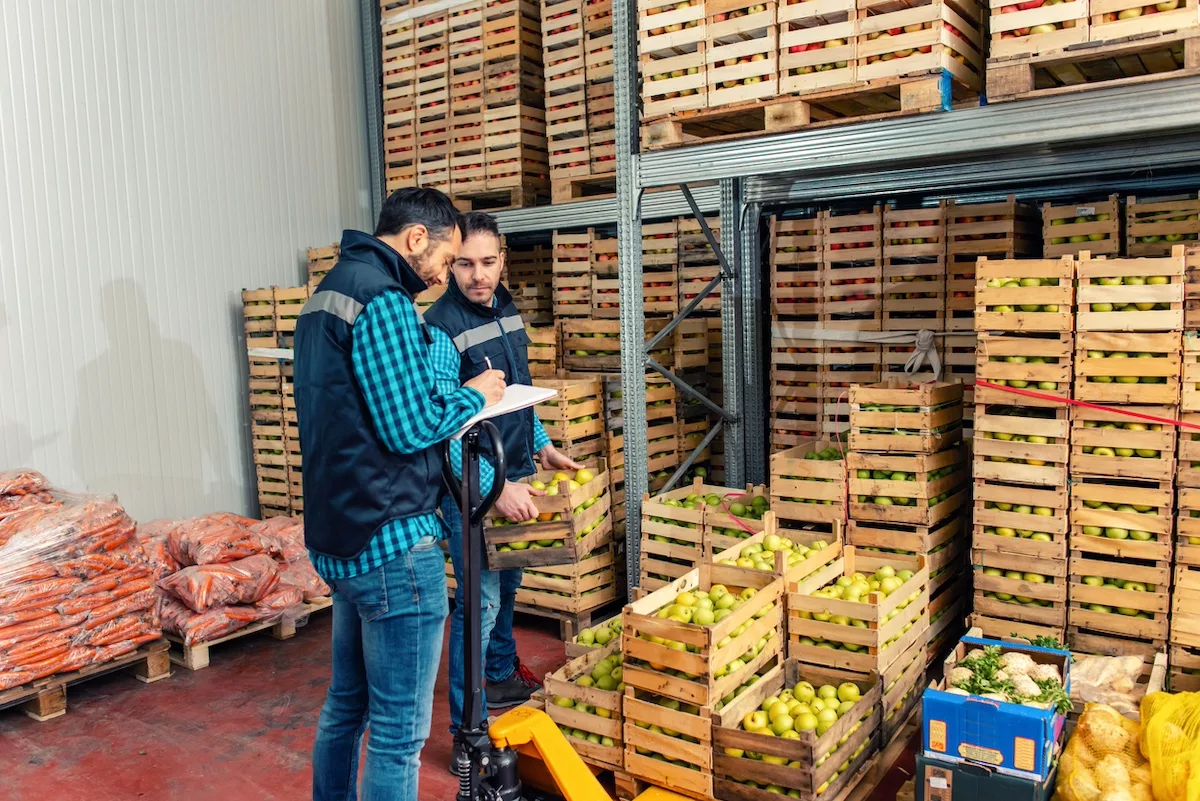
SupplyChainBrain reports; analyst insight; the Food and Drug Administration (FDA) is delaying implementation of new food traceability rules by 30 months to give companies additional time to bring their supply chains into compliance — announced March 20. The rules, first proposed during President Donald Trump's first term, require improved record-keeping and visibility across food supply chains, enabling companies to identify and remove contaminated products from circulation before they reach restaurants or grocery shelves. Originally scheduled to begin in January 2026, the rules have now been extended to January 2028. This falls under FSMA (Food Safety Modernization Act) Section 204.
From a supply chain perspective, key players at the U.S. Food and Drug Administration (FDA) include Marty Makary, Commissioner (Trump 2.0); the U.S. Department of Health and Human Services (HHS; Robert F. Kennedy Jr., Secretary); and Frank Yiannas (former FDA Deputy Commissioner for Food Policy and principal architect of FSMA Section 204). FSMA was signed into law by Obama in 2011, representing the most comprehensive U.S. food safety reform. The principal FSMA rules include: (1) Preventive Controls for Human Food; (2) Preventive Controls for Animal Food; (3) Foreign Supplier Verification Program (FSVP); (4) Produce Safety Rule; (5) Sanitary Transportation; (6) Mitigation Strategies to Protect Food Against Intentional Adulteration; and (7) Section 204 Food Traceability Rule (Food Traceability List encompassing soft fruits, salads, cheese, deli meat, fish, shellfish, and eggs). The Section 204 Food Traceability Final Rule employs Key Data Elements (KDEs) and Critical Tracking Events (CTEs) as core traceability mechanisms.
From a supply chain perspective, leading food traceability technology platforms include IBM Food Trust (blockchain; members include Walmart, Carrefour, Nestlé, Tyson Foods, and Kroger); FoodLogiQ (owned by Trustwell); iTradeNetwork; HarvestMark (owned by Trimble); ReposiTrak (Park City Group); FreshPoint (Sysco); Provenance; OriginTrail; Wholechain; TE-FOOD; Connecting Food; Worldsync; and GS1 GTIN/GLN/GTIN-14; EPCIS/Verified by GS1 as core ecosystem players. Walmart's 2018 blockchain mandate for leafy greens represents a landmark early adoption example. Primary foodborne illness pathogens in the U.S. include Salmonella, Listeria monocytogenes, E. coli O157:H7, Campylobacter, Norovirus, and Clostridium perfringens. Notable 2024 U.S. foodborne outbreaks include Boar's Head Listeria (deli meat — 10+ deaths), McDonald's E. coli (Quarter Pounder — 1+ death), and Carrots Listeria.
From a supply chain perspective, principal U.S. federal food safety authorities include the FDA (Center for Food Safety and Applied Nutrition; CFSAN), the USDA Food Safety and Inspection Service (FSIS; overseeing meat, poultry, and egg products), and the Centers for Disease Control and Prevention (CDC; FoodNet; PulseNet). Major U.S. food industry advocacy groups include the National Restaurant Association (NRA), Consumer Brands Association (CBA), Food Marketing Institute (FMI), International Foodservice Distributors Association (IFDA), Produce Marketing Association (PMA), and International Fresh Produce Association (IFPA) — all of which have requested the FSMA Section 204 delay. Additional sector organizations include the Food Industry Association and National Fisheries Institute. The Codex Alimentarius (FAO/WHO) serves as the principal global food standards framework, while the EU General Food Law Regulation (178/2002) and EU Farm to Fork Strategy form the core EU food safety frameworks. In conclusion, the FDA's decision to delay the traceability rule appears to be prompting a fundamental redesign of global food supply chain visibility investments — with blockchain, GS1 standards, and KDE/CTE readiness emerging as principal strategic priorities for supply chain managers.
Key Takeaways:
1. FDA delays food traceability rules from January 2026 to January 2028 — a 30-month extension.
2. FSMA Section 204 forms the core Food Traceability Rule framework.
3. KDE/CTE represent principal traceability data mechanisms.
4. IBM Food Trust and FoodLogiQ are leading traceability technology platforms.
5. The 2024 Boar's Head and McDonald's outbreaks represent high-profile incidents.

