

European Buyers Pivot Sourcing to Türkiye Amid Hormuz and Red Sea Crises, with H&M and Inditex Lifting Volumes
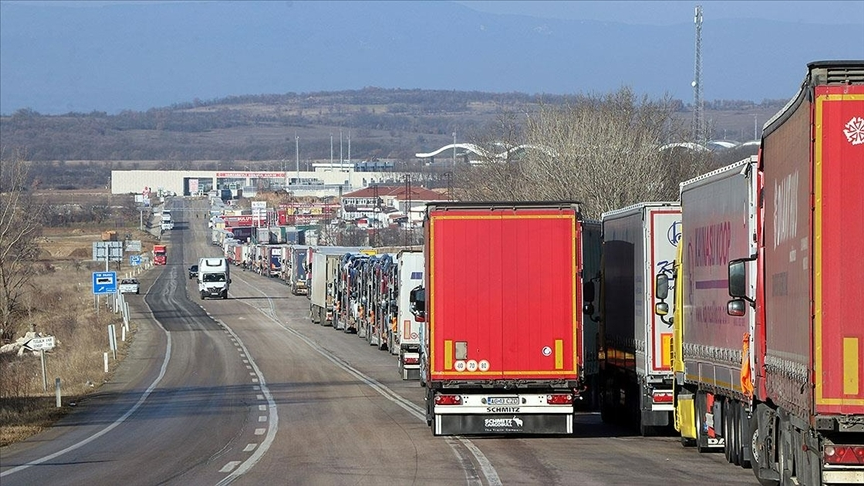
Following the West Asian conflict, the closure of the Strait of Hormuz disrupted one of the world's most critical sea lanes. Combined with instability in the Red Sea, two major transit chokepoints went dark simultaneously. Asia-Europe container freight rates climbed 70% to 160% while transit times stretched 10-18 days and schedule reliability fell below 60%.
The bottleneck has steadily worsened the picture for manufacturers in South Asia and the Gulf. Bangladesh's apparel exports have declined seven months running, with regional shipping costs up over 140%. European buyers have begun shifting to closer, more reliable alternatives.
Türkiye's textile and apparel sector — with exports above $26 billion — has been a primary beneficiary. At Texhibition Istanbul in March 2026, European buyers cited near-shore advantage and shipping uncertainty as primary reasons to expand cooperation with Turkish producers. Global brands including H&M and Inditex have lifted sourcing from Türkiye on long-route risk.
Higher export volume comes with bigger working capital needs. The long payment terms European buyers demand are pressuring firms looking to scale production. Sustainable banking-aligned working-capital solutions are emerging as a critical agenda for keeping Türkiye's near-shore advantage durable.
Key Takeaways:
1. Asia-Europe container rates surged 70-160% under the dual Hormuz + Red Sea crisis.
2. European buyers are shifting toward Türkiye for near-shore advantage.
3. Türkiye's textile-apparel exports above $26 billion are leading the rotation.
4. H&M and Inditex lifted Türkiye sourcing; Texhibition Istanbul showcased the shift.
5. Risk: long payment terms drive working-capital pressure on Turkish producers.
[856136]

