

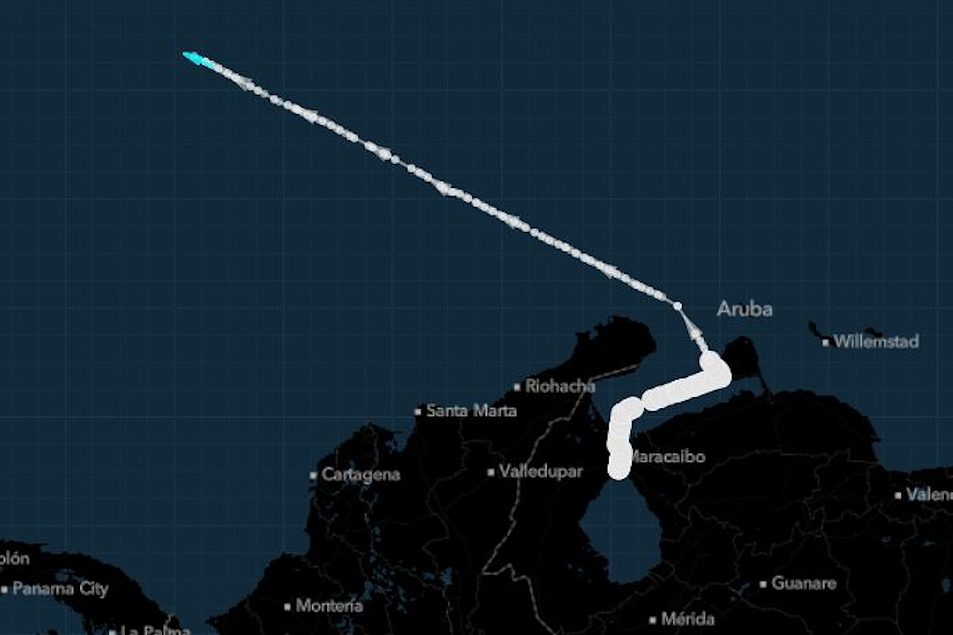
A small fleet chartered by Chevron Corp. is sailing toward Venezuela — with the company emerging as the sole exporter of the country's oil following the ouster of President Nicolas Maduro by U.S. forces. According to data compiled by Bloomberg, at least 11 ships chartered by the Houston-based U.S. oil major are scheduled to arrive in late January at the Venezuelan government-controlled ports of Jose and Bajo Grande. That figure marks an increase over December's nine vessels — and represents the highest level since October, when 12 tankers were loaded.
The Houston-based company operates in Venezuela under a license issued by the U.S. Treasury Department, making it the only Western firm permitted to produce and export crude oil under American sanctions. "Chevron remains focused on the safety and wellbeing of our employees, as well as the integrity of our assets. We continue to operate in full compliance with all relevant laws and regulations," the company stated on January 6.
Chevron continues to load oil even as at least 12 vessels bound for Venezuela turned away under heavy U.S. military presence in the Caribbean. Two tankers used in the transport of sanctioned oil were caught in the U.S. naval blockade. According to CBS News, the U.S. is now chasing a third tanker known as Marinera, or Bella 1. According to TankerTrackers.com, some vessels of the dark fleet were able to safely leave Venezuela right after Maduro was captured by U.S. forces.
From a supply chain perspective, at least four tankers — possibly as many as 16 — reportedly slipped through the blockade. Shadow fleet tankers typically turn off or spoof their transponders to disguise their location. This structural shift is reshaping supply flows in the global crude oil market — Chevron's emergence as the sole operator marks a strategic inflection point in terms of market pricing, logistics capacity allocation and compliance requirements.

