

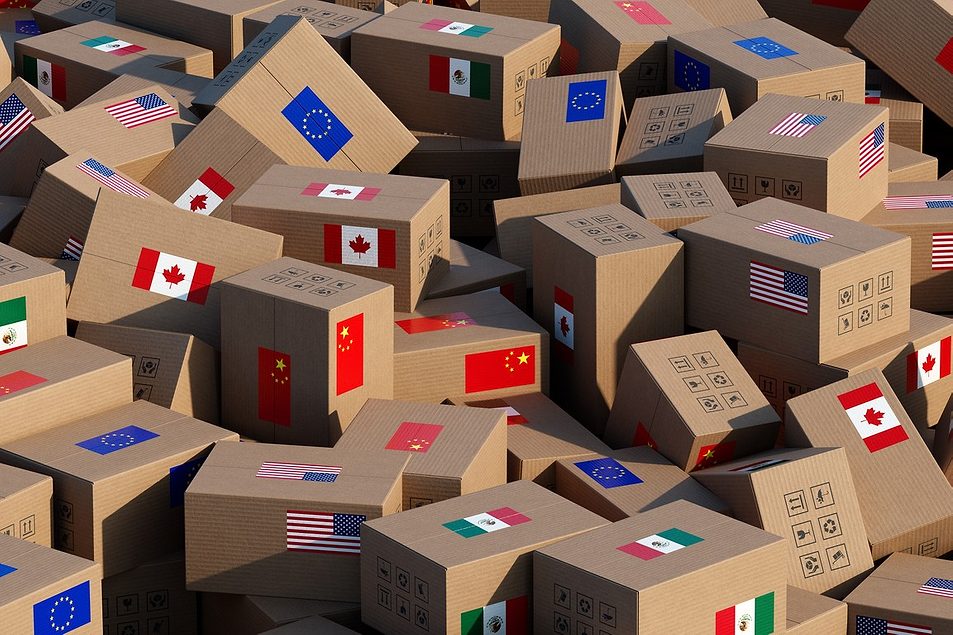
U.S. Customs and Border Protection (CBP) has pivoted with surprising effectiveness to handle a massive increase in workload during 2025. The agency has not only been tasked with applying a constantly shifting set of import tariffs, but has also had to assess duties on billions of parcels that previously moved through with no review at all, after the de minimis duty exemption was phased out earlier in the year. The story is not always so rosy on the carrier side, where delivery companies responsible for getting packages to end recipients are still adapting.
“For carriers, this is new for them — the declarations and the process of how CBP is clearing packages,” says Rathna Sharad, CEO and co-founder of FlavorCloud, a cross-border shipping management platform. “Some carriers are better than others.” The de minimis rule effectively gave a free pass to any package entering the United States with a value below $800. President Trump ended the rule on May 2 for shipments originating in China — which represented the vast majority of these low-value imports — and on August 29 for the rest of the world.
An estimated 1.2 billion packages qualified for the exemption in 2024. “CBP has not experienced any delays in cargo processing since the suspension of de minimis,” a CBP spokesperson told SupplyChainBrain. As of December 15, 2025, the agency reports having collected more than $1 billion in duty on shipments that would previously have entered duty-free. CBP added that it has successfully implemented more than 40 tariff-related presidential actions during the Trump administration and remains prepared to carry out enhanced package screenings.
From a supply chain perspective, the shift is forcing last-mile players such as UPS, FedEx, DHL and notably USPS to accelerate investments in data quality, declaration accuracy and customs integration. Low-value e-commerce platforms led by Shein, Temu and AliExpress must restructure pricing models, fulfillment strategies and post–section 321 import flows. The new regime is widening the competitive gap between compliant and non-compliant carriers, accelerating consolidation across the cross-border parcel sector.

