

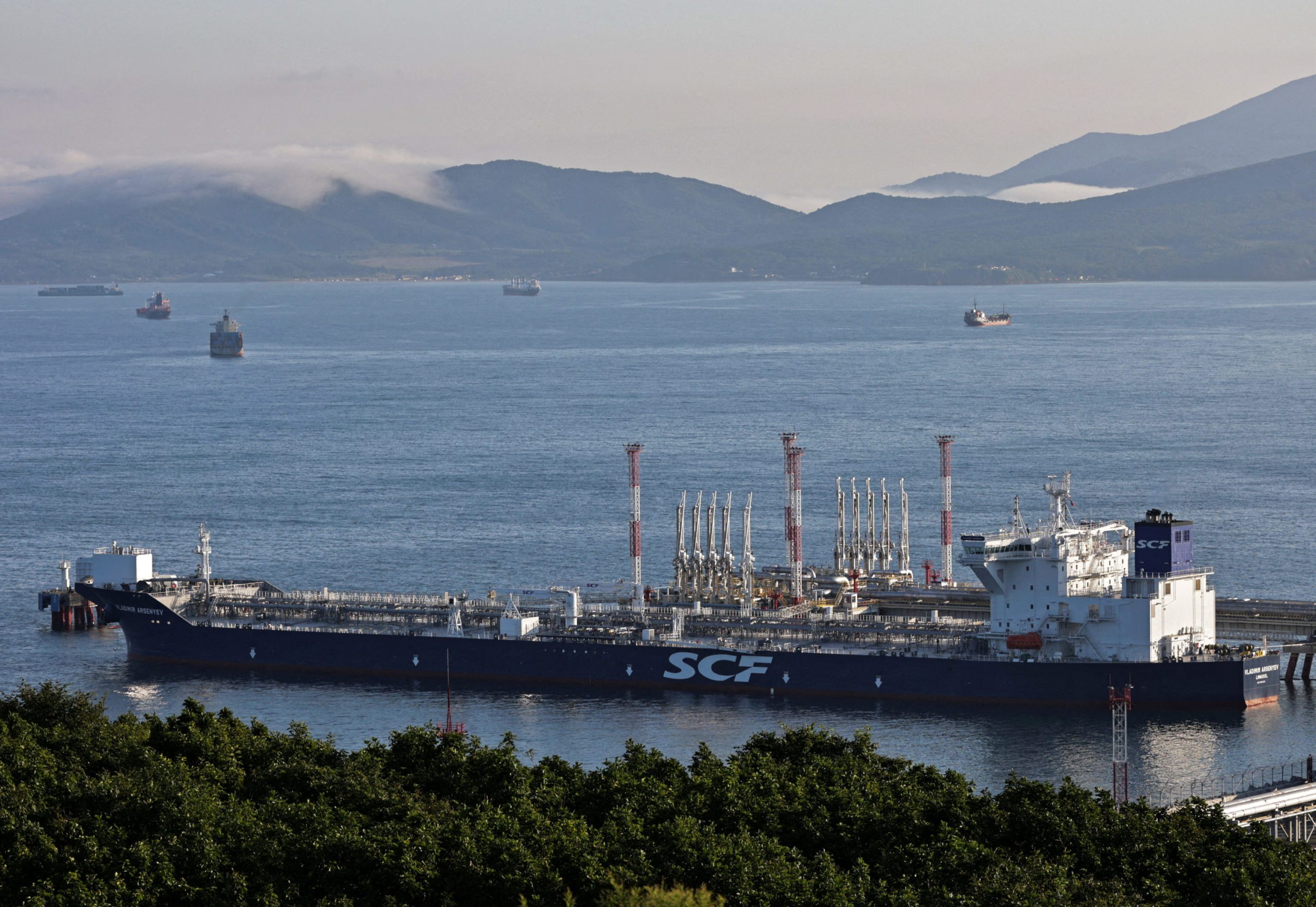
Broad-based U.S. sanctions on Russia's oil industry are making it harder for Moscow to export crude oil by sea and increasing costs. The Biden administration announced measures targeting Russia's oil and gas revenues to give Kiev and Donald Trump's team an advantage in achieving peace in Ukraine.
Previously, the U.S., reluctant to shake global oil markets, had been unable to prevent Russia from circumventing sanctions such as the oil price cap imposed by G7 countries in 2022 and selling large quantities of crude to China and India. However, the new sanctions target traders, insurers, and a "shadow fleet" of 183 vessels that enables Russia to deliver its oil to global markets.
Since January 8, oil prices have risen roughly 6 percent and gained momentum following the announcement of the latest sanctions. The Kremlin said the sanctions risk destabilizing global markets and pledged that Moscow will do everything it can to counter them. Kremlin spokesman Dmitry Peskov stated, "It is clear that the U.S. will continue trying to weaken our companies' positions through unfair competition, but we hope we can counteract this." Peskov emphasized that such decisions could introduce instability in international energy and oil markets.
Morgan Stanley, citing data from tanker tracker Vortexa, reported that tankers hit by U.S. sanctions carried approximately 1.5 million barrels of crude oil and 200,000 barrels of oil products daily in 2024. Moscow-based Sinara Bank noted that sanctions create new barriers to selling Russian crude oil and petroleum products on international markets, which will lead to a temporary increase in price discounts for Russian liquid hydrocarbons. The bank expects the Urals crude discount to Brent to increase from the $8 per barrel level as of January 8, but not exceed $20. It also anticipates this discount will be offset by rising oil prices overall.
Russia's revenues from oil and gas sales reached 11.13 trillion rubles ($108 billion) in 2024, up approximately 26 percent. More than 60 percent of Russia's seaborne oil exports go to India, the world's third-largest oil importer and consumer. Russia's total oil exports exceed 5 million barrels daily, equivalent to roughly 5 percent of global demand.
India does not expect any disruption in Russian oil supplies over the next two months, as tankers hit by U.S. sanctions are permitted to discharge crude oil through March. A senior Indian government official noted that Russian oil cargoes reserved before January 10 will be allowed to unload at ports and added that Russia will find ways to get its oil to India.
Lyudmila Rokotyanskaya from Moscow-based brokerage BCS expects the new sanctions to be highly effective for at least several months and to cause a significant decline in Russia's seaborne oil exports. Sovcomflot, Russia's largest tanker group, is feeling the impact of U.S. sanctions. However, some analysts believe Russia can find alternative routes to move its oil by sea and that the situation could return to normal within months.
Challenges in Russia's oil exports are causing fluctuations in global energy markets. In particular, a reduction in Russia's oil exports affects global crude supply, driving prices higher. This creates pressure on energy-importing nations and accelerates efforts to shift toward alternative energy sources.
Additionally, security and environmental risks associated with the "shadow fleet" that Russia uses to circumvent sanctions are raising concerns. The use of aging and poorly maintained vessels increases the risk of maritime accidents and oil spills, posing serious threats to marine ecosystems and coastal areas.
In conclusion, new U.S. sanctions on Russia are making it harder for Moscow to export oil and increasing costs. This is causing fluctuations in global energy markets and amplifying concerns about energy security. How Russia responds to these sanctions and what strategies it develops to sustain oil exports will be closely watched in the coming period.
Key Points:
The U.S. is implementing broad-based sanctions on Russia's oil industry.
Sanctions target traders, insurers, and a network of vessels known as the shadow fleet.
A large portion of Russia's seaborne oil exports go to India.
Sanctions are causing market fluctuations, driving up oil prices.
Russia is expected to seek alternative routes to maintain oil exports.
The use of aging and poorly maintained vessels increases environmental risks, raising the risk of maritime accidents and oil spills.
Experts expect sanctions to be effective in the short term but predict Russia could develop alternative solutions later.
While Russian oil revenues are expected to rise, price discounts are anticipated to temporarily increase.
U.S. sanctions are raising new concerns about global energy security and market stability.
Moscow is working to develop strategic solutions to counter these sanctions.
We would be delighted to receive your feedback.
Wishing you happy reading in advance.

