

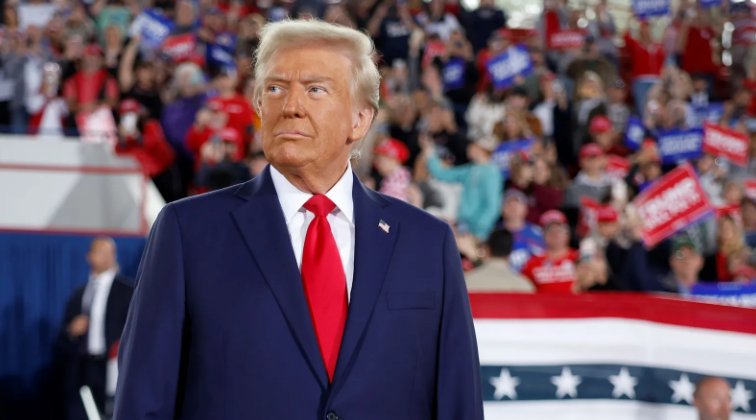
The agenda of newly elected President Donald Trump could have significant implications for the U.S. manufacturing sector. With Trump's reelection, industry leaders are bracing for potential changes, including elevated tariffs, tax cuts, and reductions in clean energy subsidies. Here are four manufacturing issues that experts say the new administration is most likely to impact:
1. Tariffs
During his campaign, Donald Trump frequently outlined plans to implement comprehensive tariffs aimed at boosting U.S. manufacturing. The administration is planning to impose a 10% tariff on all imported products, with tariffs on goods from China reaching as high as 60%. Sanjay Patnaik, a senior researcher at the Brookings Institution, noted that this move could be "devastating" for manufacturers importing foreign components. Additionally, Willy Shih, an economist at Harvard Business School, predicts that other countries could retaliate with counter-tariffs, potentially harming the U.S. strategically.
2. Taxes
The new administration is expected to extend the benefits of the Tax Cuts and Jobs Act, which was enacted during Trump's first term and is set to expire in 2025. Andrew Wronski, manufacturing sector leader at Foley & Lardner, stated that maintaining research and development spending as deductions, continuing 100% bonus depreciation, and reducing capital gains tax would benefit manufacturers. Patnaik from Brookings Institution noted that taxes are likely to decrease, particularly if Republicans maintain a majority in the House of Representatives, and a business-friendly tax approach would be adopted.
3. Regulations
Wronski expects the Trump administration to roll back industrial emissions regulations implemented by the Environmental Protection Agency (EPA). Additionally, different approaches to employee and labor relations are anticipated, with potential changes to overtime pay and independent contractor rules. Changes are also expected in regulations from the National Labor Relations Board and the Federal Trade Commission. Wronski noted that these regulatory changes would incentivize manufacturers to produce within the United States.
4. Energy
The Trump administration is expected to take swift action to increase domestic energy production and reduce energy costs. Within this framework, cost-reducing measures could be implemented for manufacturers. Additionally, the national clean energy goals introduced under the Biden administration, such as tightened national pollution standards for vehicles and electric vehicle (EV) adoption targets, are likely to be rolled back. Restricting EV tax credits under the Inflation Reduction Act could provide significant benefits to manufacturers. Wronski expects that if these policies succeed, nearshoring and reshoring trends will increase.
Key Takeaways:
Donald Trump plans to impose a 10% tariff on all imported products and 60% tariffs on goods from China.
The benefits of the Tax Cuts and Jobs Act are expected to be extended beyond 2025.
The Trump administration is likely to roll back EPA regulations and make changes to labor relations.
Increased domestic energy production and cuts to clean energy subsidies are anticipated.
Rising counter-tariffs in international trade could create adverse effects on the U.S. economy.
Tax cuts and business-friendly policies could provide cost advantages to manufacturers.
An increase in reshoring and nearshoring trends is expected.
We would be delighted to hear your feedback.
Wishing you happy reading.

