

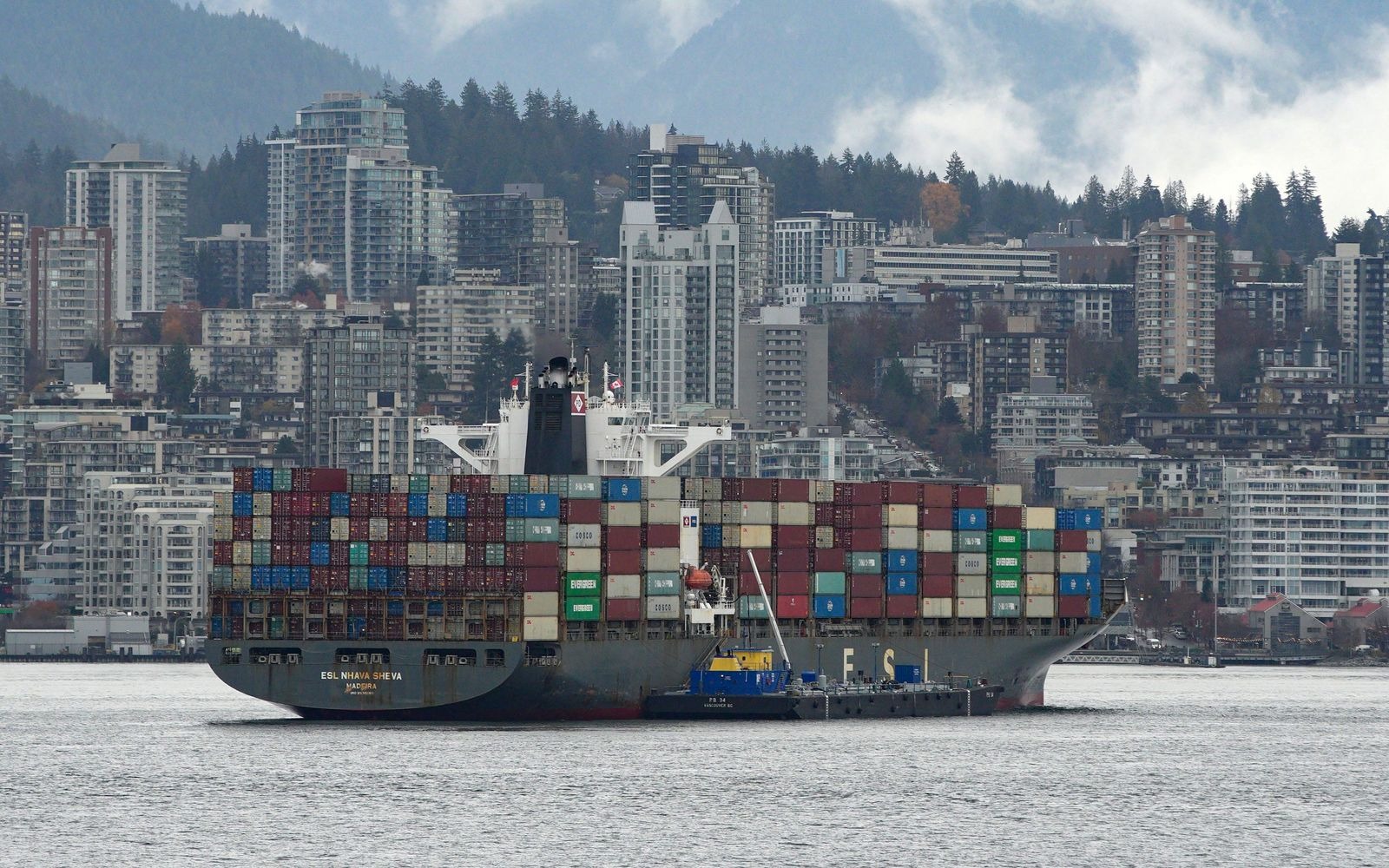
Port of Vancouver, one of North America's most complex and multimodal port infrastructures, has long grappled with operational coordination challenges. As of December 2025, the port announced the completion of a centralized vessel scheduling system project initiated two years prior. The system now mandates that container vessel arrival information be shared with all terminal operators and relevant stakeholders at least 96 hours (4 days) in advance.
This innovation aims to make labor planning, yard management, equipment allocation, and berth optimization processes more predictable, particularly to accommodate the port's heavy Trans-Pacific trade flows.
According to the Vancouver Fraser Port Authority, the system integrates not just container vessels but five different vessel categories (bulk, breakbulk, tanker, cruise, container) calling at the port under the same planning framework. Port of Vancouver's 29 terminals spread across three separate regions have historically created coordination challenges due to differing business models and maneuvering constraints. In particular, variable currents in the Fraser River region, narrow waterways, and draft limitations require high levels of precision in vessel planning.
The new system provides dynamic schedule visibility by synchronizing vessel arrival data from ship operators with terminal planning software. This enables terminal operators to anticipate cargo volumes in advance, increase shift numbers during peak periods, and optimize equipment distribution. Vancouver's import pressure reached record levels between 2021 and 2023; lingering yard congestion and vessel backlog issues from that period drove the port toward technological solutions.
Capt. Gord Cooper, chairman of the Fraser River Marine Transportation Advisory Panel, notes that the system is also significant from a regional navigation safety perspective. The combination of draft management, variable currents, and limited maneuvering space in river mouths makes vessel timing critical. Full real-time information obtained 96 hours in advance provides greater accuracy for pilot planning and escort tug coordination.
Supply Chain Impact: Trans-Pacific Pressure May Ease
Though Port of Vancouver has lower capacity compared to major US West Coast hubs centered on Los Angeles/Long Beach, it serves as Canada's primary Asia–North America gateway. In 2025, import flows from Asia remained strong, and the port faced periodic import surge pressures.
The new 96-hour notification requirement:
Reduces peak week congestion,
Improves alignment with trucking appointment systems,
Enhances terminal efficiency,
Lowers demurrage/detention costs associated with delays.
Planning also improves for Canadian rail carriers (CN, CP). Pre-announced vessel arrival times enable more precise intermodal alignment in train scheduling, stabilizing hinterland flows.
Alignment with Industry Trends
The global supply chain volatility experienced particularly between 2023 and 2025 has driven ports to invest in technologies such as predictive scheduling, digital visibility, and ETA accuracy. Vancouver's system completion aligns with similar Port Community System (PCS) integration efforts undertaken by major ports such as Hamburg, Rotterdam, Busan, and Los Angeles.
The system is also viewed as a critical step toward transitioning to a "just-in-time arrival" model. Rather than vessels waiting for hours offshore, better-planned arrivals reduce fuel consumption and have a positive impact on CO₂ emissions.
Long-Term Impact
Port authorities state that the system will particularly strengthen Vancouver's competitiveness during 2026–2027 and reinforce Canada's gateway reliability position. As Vancouver's capacity expansion projects (terminal extensions, south shore improvements) are completed, this planning system will become increasingly critical.
Key Points:
The new system mandates vessel arrival information be shared with all stakeholders 96 hours in advance.
29 terminals and five vessel types are unified under a single planning framework.
The system mitigates import surge effects by improving labor and equipment planning.
Navigation safety benefits significantly due to Fraser River conditions.
A more predictable supply chain is targeted for Trans-Pacific container flows.
Author: SedatOnat.com
We would be delighted to receive your feedback.
Wishing you happy reading from the start.

