

With inflation and interest rates declining, manufacturing investments are increasing. Many major manufacturers indicated that despite the economy being in a period of slow growth, they plan to increase capital investments and merger and acquisition (M&A) deals in 2024. The Datasite platform shows that new industrial deal originations increased 7% year-over-year in the fourth quarter of 2023, and deal activity increased 19% in the first quarter of 2024.
What is driving this growing interest? New U.S. legislation such as the 2021 Bipartisan Infrastructure Law, the 2022 CHIPS and Science Act, and the 2022 Inflation Reduction Act are encouraging infrastructure and manufacturing-focused initiatives. Additionally, U.S. clean technology investments reached $239 billion in 2023, and manufacturers are making substantial investments in innovative technologies and reshoring production.
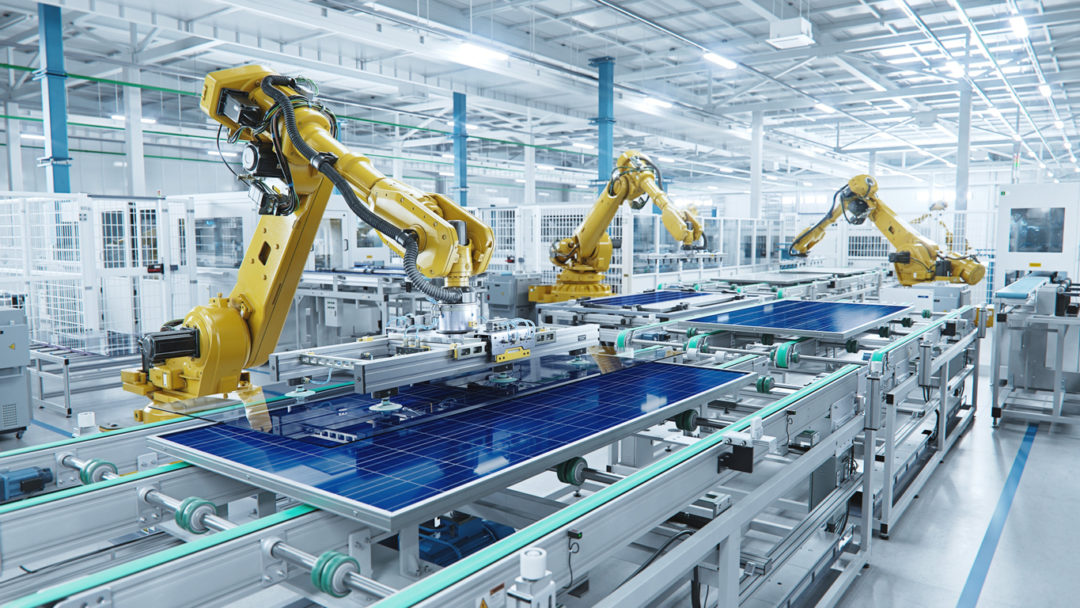
Sustainability, innovation, and defense needs are fueling increased deal activity. Some manufacturers are investing in automation and business processes to boost efficiency. Robotic technology can increase product quality and reduce defects in repetitive tasks or work requiring high precision. Furthermore, by reducing equipment downtime, it enables manufacturers to operate 24 hours a day and improve worker safety.
Some manufacturers are also exploring the potential of generative artificial intelligence (GenAI) in their manufacturing processes. A recent report shows that most manufacturers view AI as the most important technology that will significantly impact business results, and 83% expect to incorporate GenAI into their operations in 2024.
Manufacturers are also investing to strengthen their supply chains. Supply chain disruptions ranging from the global pandemic to Russia's invasion of Ukraine and shipping attacks in the Red Sea have led companies to diversify. Business leaders are investing in reshoring initiatives to withstand shocks and recover more quickly when they occur.
Despite these developments, completing M&A deals will still require determination. Deal completion rates have declined from 49% to 45%, reflecting increased scrutiny and longer, more comprehensive due diligence processes. This trend shows no signs of slowing, as the number of pages or content per deal at Datasite increased more than 40% year-over-year in the first quarter of 2024.
Other factors that pose threats to manufacturing and supply chains in 2024 include inflation, employment trends, upcoming elections, regulatory changes, cybersecurity concerns, and natural disasters.
For now, successive interest rate increases by the Federal Reserve and other central banks have successfully addressed rising inflation, which means deal makers can operate with more certainty. Global M&A volumes increased 10% compared to the same period last year, likely paving the way for an M&A recovery to be driven by industries.
Key Takeaways
Declining inflation and interest rates are increasing manufacturing investments.
According to Datasite data, industrial deal originations increased 7% in the fourth quarter of 2023 and 19% in the first quarter of 2024.
New U.S. legislation (2021 Bipartisan Infrastructure Law, 2022 CHIPS and Science Act, 2022 Inflation Reduction Act) is encouraging manufacturing activities.
U.S. clean technology investments reached $239 billion in 2023.
Manufacturers are increasing efficiency by investing in automation and business processes.
Robotic technology is increasing quality in manufacturing processes and ensuring worker safety.
Generative artificial intelligence is a technology manufacturers plan to incorporate into their operations in 2024.
Supply chain disruptions are encouraging reshoring initiatives.
M&A deal completion rates declined from 49% to 45%, with increased scrutiny and due diligence processes.
Inflation, employment trends, upcoming elections, regulatory changes, cybersecurity concerns, and natural disasters pose threats to manufacturing in 2024.

