

Türkiye temporarily halted two-way vessel traffic through the Dardanelles Strait on November 19. Both northbound and southbound passages were closed between 07:00–18:00 due to testing activities conducted under the "Straits Subsea Security Assurance Project" led by the Defense Industries Presidency.
The announcement was issued to the maritime community by the Dardanelles Traffic Information System, with the notice explicitly stating that traffic would be completely suspended in both directions.
A strategically vital waterway
The Dardanelles Strait forms the southern passage of the Turkish Straits system and constitutes a critical segment of a global trade corridor extending from the Sea of Islands through the Marmara, and onward to the Black Sea via the Istanbul Strait.
Approximately 100 vessels transit this route daily. Primary cargo carried includes:
Crude oil,
Refined petroleum products,
Grain,
Fertilizers,
Mining products
among others.
Türkiye's Minister of Transport and Infrastructure Abdulkadir Uroğlu previously disclosed that 33,026 vessels transited the Dardanelles during the first nine months of 2025, while 62,736 vessels passed through the Turkish Straits overall. These figures underscore how critical the temporary closure was from both regional and global logistics perspectives.
Subsea Security Project: Protecting critical infrastructure
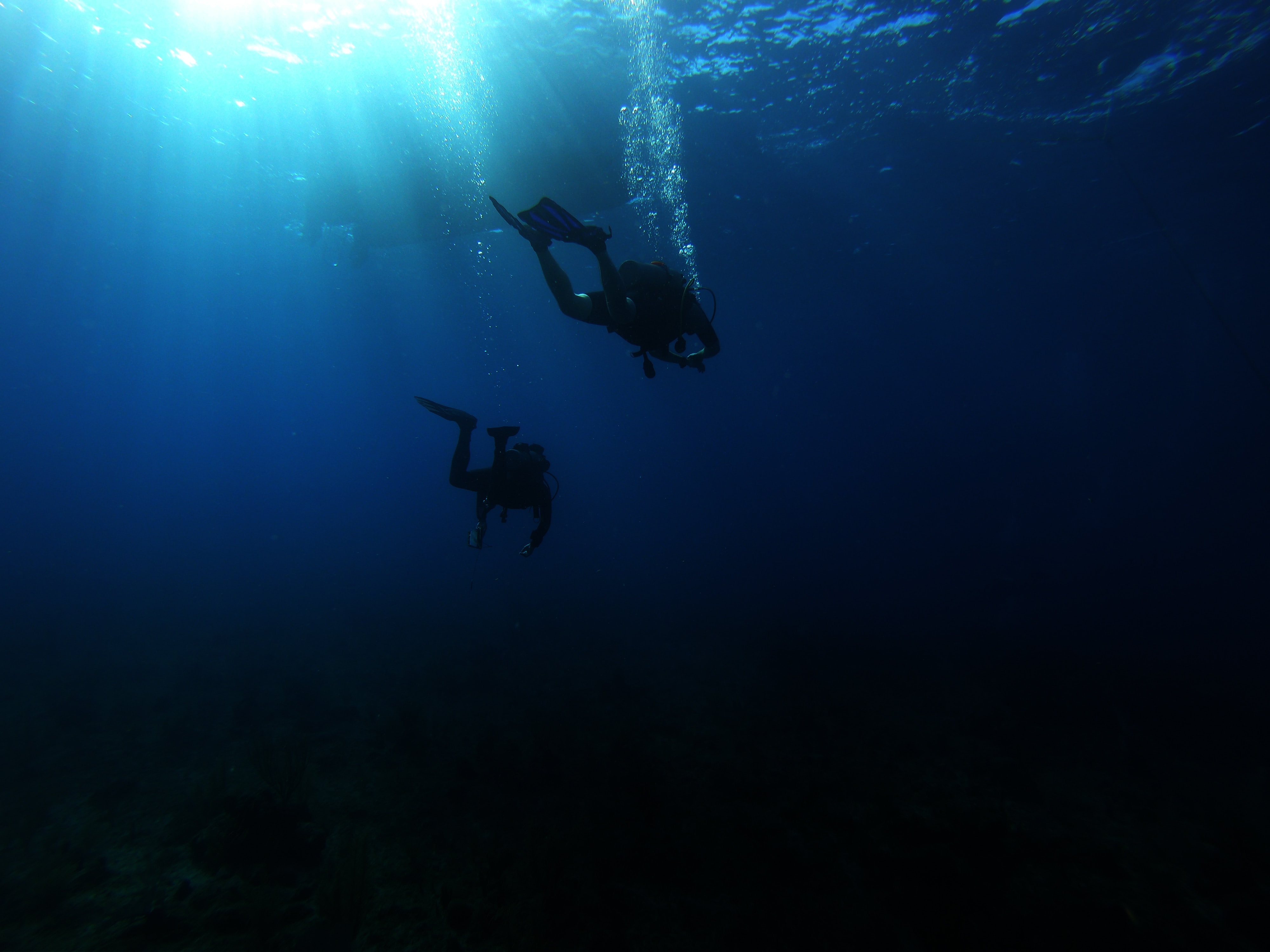
The project, administered by the Defense Industries Presidency, is developing a multi-layered security system designed to protect vessel traffic through the straits and coastal infrastructure against underwater threats.
Technical details regarding the scope of the tests were not shared publicly; however, subsea security projects typically encompass:
Subsea sensor networks,
Acoustic tracking systems,
Unmanned underwater vehicles (UUV),
Diver detection systems,
Monitoring and analysis software at critical chokepoints
among other components.
Such initiatives are widely deployed globally, particularly to protect strategically important waterways against sabotage, unauthorized passage, subsea explosives, and covert threats.
Short-term impact on global trade
Because the closure lasted approximately 11 hours, no significant disruptions occurred; however, vessels waiting in the Strait formed temporary queues. Ship owners and agents had to account for minor scheduling delays in their voyage planning.
Given the Strait's geopolitical importance worldwide, such closures can affect:
Transit times,
Schedule reliability,
Fuel consumption and route planning
even if only briefly.
Part of Türkiye's security modernization
This testing activity is regarded as part of Türkiye's broader modernization initiatives in coastal defense and strait security.
Once the system is fully operational:
Continuous monitoring of the straits,
Early warning of subsea threats,
Enhanced security levels for critical infrastructure
are targeted.
Key Points:
The Dardanelles Strait was closed to two-way traffic on November 19 between 07:00–18:00.
Reason: Testing under the Defense Industries Presidency's Subsea Security Project.
Annual transits through the Strait: 33,000+ vessels (first 9 months), Turkish Straits total 62,700+.
The route, which handles an average of 100 daily vessel transits, is critical to global commerce.
Tests are part of Türkiye's strait security modernization program.
Author: SedatOnat.com
We would be delighted to receive your feedback.
Wishing you happy reading.

