

Rising regulations in global trade are putting customs authorities under unprecedented pressure. In particular, transparency demands regarding product components, supplier networks, and manufacturing processes have reached levels that exceed the inspection capacity of many countries' customs authorities.
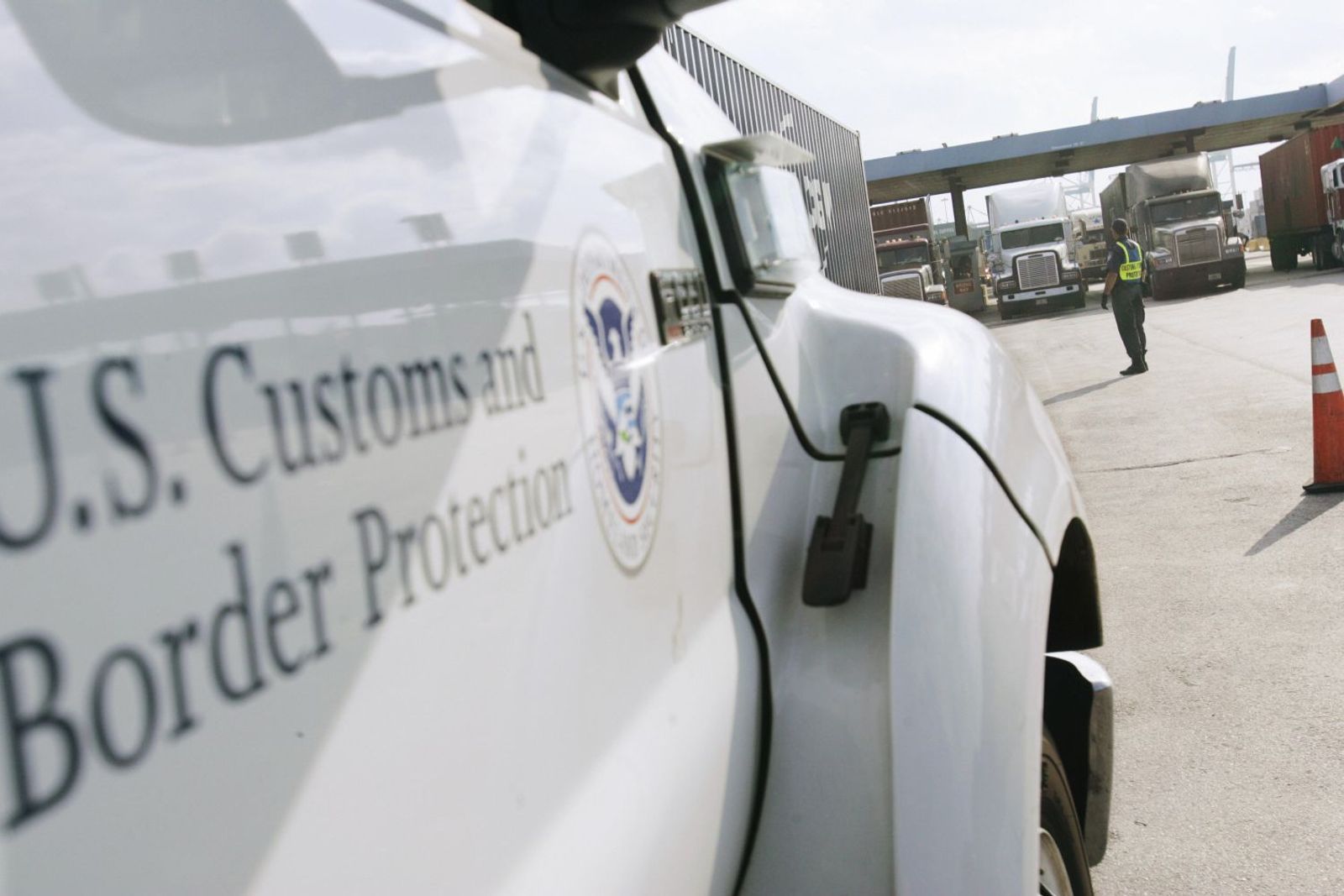
The U.S. Customs and Border Protection (CBP) is at the forefront of this challenge. The Trump administration's escalating inspection policies on import supply chains are requiring CBP to analyze complex supply chains at the component level. However, current infrastructure and resources are proving insufficient to handle inspections at this depth.
Trade policies and capacity imbalance
According to reporting by Eric Johnson, recent increases in international trade regulations — particularly on issues such as human rights, environmental impact, and strategic technology transfer — are imposing new obligations on importers and exporters.
For example, the U.S. Uyghur Forced Labor Prevention Act (UFPLA) requires companies to ensure ethical compliance at every link in their supply chains. However, such regulations create significant challenges for both companies and customs authorities in terms of data tracking and verification.
According to a CBP official:
"Policies are forcing border agencies to conduct more inspections, but our current systems and personnel are insufficient for this level of scrutiny."
Altana and CBP partnership: Digital inspection pilot
In response to these challenges, CBP is running a joint pilot project with technology company Altana. The project was developed to increase data sharing and supplier visibility in complex supply chains.
Global companies such as Maersk, LL Bean, and BASF have also joined the pilot program.
The digital platform called Altana Atlas uses artificial intelligence and big data analytics to map millions of supply relationships, enabling real-time tracking of product origins and supply chain connections.
The goal is to enable CBP to faster identify risky suppliers, illegal activities, or connections to sanctioned regions in supply chains.
Altana CEO Evan Smith commented on the project as follows:
"The problem customs authorities face is not a lack of data, but a lack of data interpretation. We help them identify risky relationships by connecting this data."
A global problem
The United States is not alone. Countries such as the European Union, the United Kingdom, Canada, and Australia are also increasing supply chain transparency requirements for importers and exporters. However, in these countries too, customs agencies' data collection and analysis capacity is falling far behind the pace of increase.
In particular, the complexity of global production networks makes it nearly impossible to properly map a product's components, subcontractors, and raw material sources.
According to experts, the "political pressure–institutional capacity" imbalance could lead to delays and increased costs in global trade flows in the coming years.
Regulations rising, digitalization essential
For customs authorities to withstand this pressure, technologies such as digital supply chain intelligence, data-sharing networks, and automated verification systems need to be widely implemented.
Solutions like Altana represent an early stage of this transformation. However, many countries' customs administrations still rely on manual processes, fragmented databases, and limited risk analysis infrastructure.
According to Johnson's reporting, while the project CBP is conducting with Altana demonstrates the potential of this transformation, it also reveals customs authorities' digital capacity shortfalls.
In conclusion, rising political inspection demands can only be met through technological modernization and international collaboration. Otherwise, the complexity of trade regulations will continue to threaten the speed of global supply chain operations.
Key Points:
Altana and CBP are running a pilot project for supply chain transparency.
Participants: Maersk, LL Bean, BASF.
Objective: Digitalize supplier connections to identify risky sources.
Rising regulations are creating an inspection burden that exceeds customs agencies' capacity.
The U.S., EU, and other countries are expanding human rights and environment-focused trade laws.
Experts: "Without data analytics, political demands are operationally unsustainable."
Solution: AI-powered supply chain intelligence and digital collaboration platforms.
Author: SedatOnat.com

