

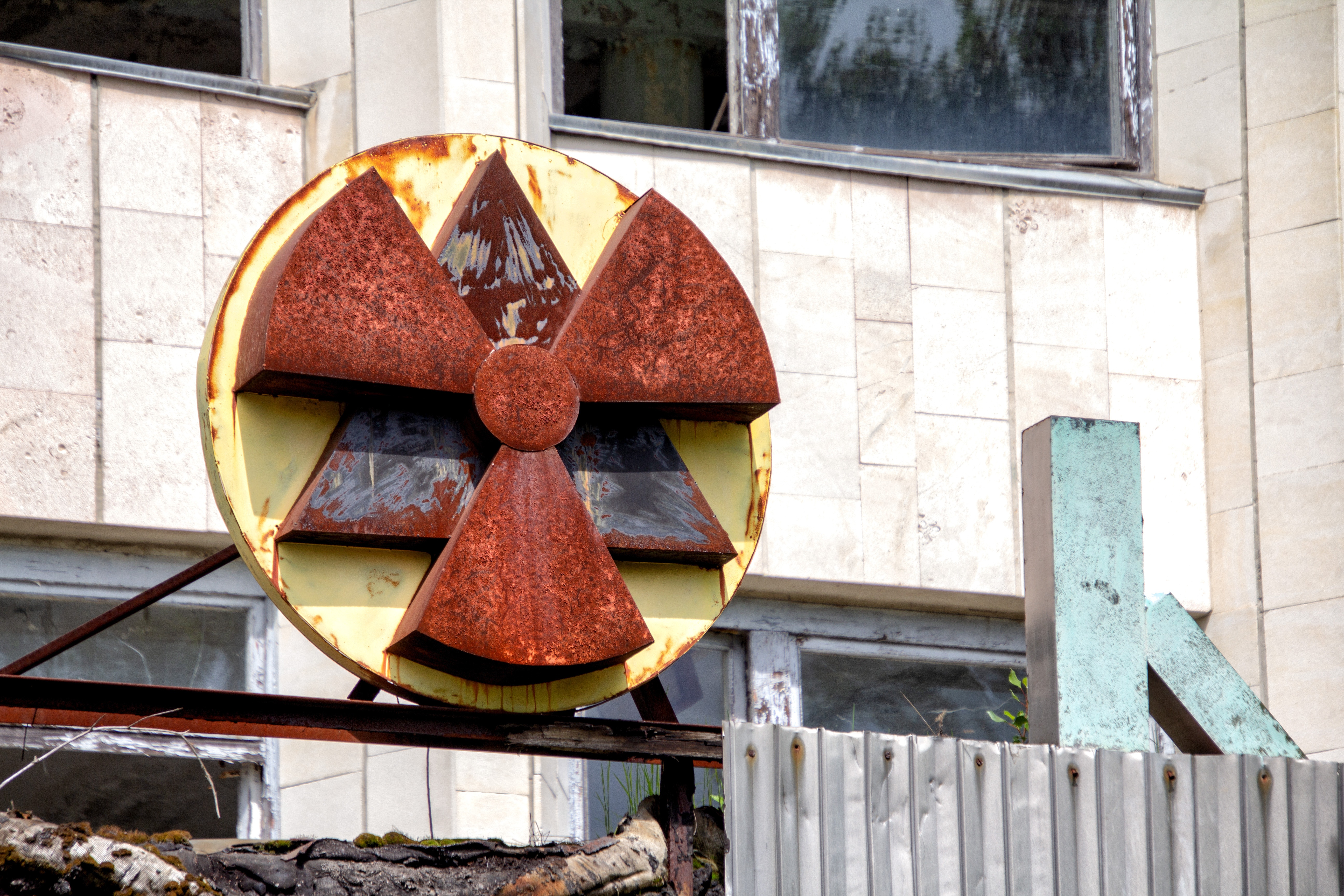
According to Bloomberg, a vessel carrying radioactive zinc dust is being held off the coast of Manila, the capital of the Philippines, without being allowed to enter port. The ship is transporting 23 containers of radioactive cargo returned from Indonesia and has been detained by port authorities because no suitable storage or disposal facility can be found.
\nCarlo Arcilla, Director of the Philippine Nuclear Research Institute (PNRI), stated on October 28 that "the external radiation levels in the containers are very low, so there is no danger to the public." He also noted that there have been no health issues reported among the ship's crew.
\nBackground: Radiation Investigation in Indonesia
\nThe cargo in question was originally exported from the Philippines to Indonesia by a Chinese-based trading company, Zannwann International Trading Corp. However, when inspections were conducted in Indonesia, traces of cesium-137 were detected in the containers, and the shipment was sent back to Manila.
\nCesium-137 is a byproduct of nuclear fission commonly used in medical devices, measuring instruments, and radiation testing. However, exposure to high doses can increase cancer risk.
\nIndonesian authorities had detected similar cesium-137 contamination at a metal processing center in West Java in September 2025 and temporarily suspended scrap metal imports following that incident.
\nInitial Alert from the United States: The Frozen Shrimp Incident
\nBehind these developments lies a report issued by the U.S. Food and Drug Administration (FDA) in August 2025. The report noted that trace amounts of cesium-137 had been detected in frozen shrimp from Indonesia, and major retailers such as Walmart recalled certain products. Following this, Indonesia began inspecting all metal and chemical shipments at ports due to suspicions of nuclear isotope contamination.
\nContamination Suspected to Originate in the Philippines
\nAccording to PNRI Director Arcilla, the radioactive zinc dust in the returned containers may have been sourced from SteelAsia Manufacturing Corp. and another local steel producer in the Philippines. However, Arcilla noted that the radioactivity was detected only at SteelAsia's recycling facility in Batangas.
\nSteelAsia, the Philippines' largest steel producer, stated that it had no connection to the containers in question and voluntarily suspended facility operations as a precaution.
\nZannwann International Trading Corp. did not respond to requests for comment. The Philippine Port Authority (PPA) referred questions to the Bureau of Customs, but no official statement has been issued from that agency.
\nThe Challenge: Where to Dispose of the Waste
\nArcilla identified the primary problem as the inability to find a location where the 23 containers can be safely disposed of. The Philippines currently does not have a permanent disposal facility for radioactive waste. As a result, the government is searching for a temporary storage area by consulting with local authorities.
\nHe also noted that other potentially radioactive materials at the SteelAsia facility and in Zannwann's warehouse will need to be cleaned up. Arcilla stressed that "there could be significant quantities there" and that the cleanup effort is a national priority.
\nRegional Nuclear Security Concern
\nAccording to experts, this incident has highlighted growing concerns in Southeast Asia about radioactive contamination and isotope leaks. The scrap metal recycling sectors in the region typically operate outside international control chains, which increases the risk of nuclear isotopes infiltrating civilian supply chains.
\nSo far, no radiation has been detected in Zannwann's previous shipments, but authorities have not yet confirmed whether the current incident is connected to the cesium-137 contamination in Indonesia.
\nThe priority for Philippine officials now is to safely unload the ship waiting off the coast of Manila and to permanently dispose of the radioactive cargo. However, the ship will not be allowed to enter port until a suitable facility is found.
\nKey Points:
\n- \n
A vessel carrying 23 containers of radioactive zinc dust is being held off Manila.
\n The cargo was returned by Indonesia following detection of cesium-137.
\n PNRI Director Carlo Arcilla: "The external radiation of the containers is low; there is no danger to the public."
\n The radioactive material is being linked to SteelAsia's Batangas facility; the company suspended operations.
\n Zannwann International Trading Corp. was identified as the exporter but has not provided comment.
\n The Philippines is currently searching for a facility to dispose of radioactive waste.
\n The incident has renewed attention to rising nuclear contamination risks in Southeast Asia.
\n
----------
\n\n--------------------
\nAuthor: SedatOnat.com
\n--------------------
\n\nWe would be happy to receive your feedback.
\nWishing you happy reading in advance.
\n
