

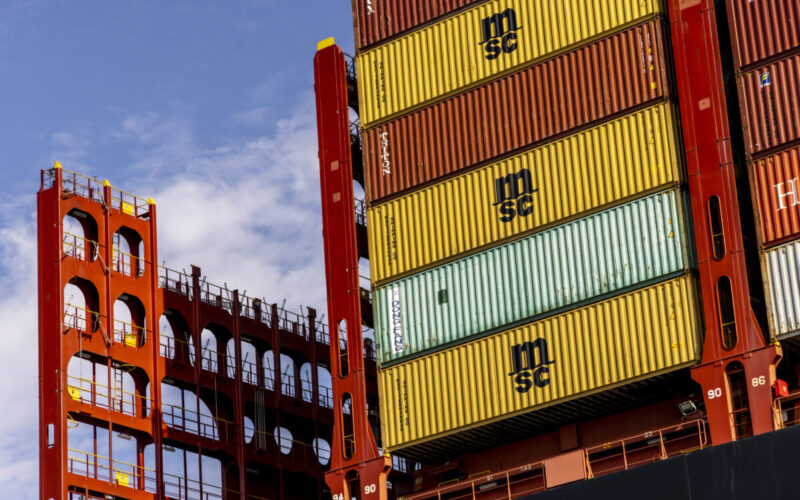
Mediterranean Shipping Company (MSC) has announced it will apply an emissions surcharge to customers as part of its compliance with the European Union's FuelEU Maritime regulation. Taking effect from January 1, 2025, this regulation is part of the EU's comprehensive Fit-for-55 package and aims to reduce greenhouse gas (GHG) emissions in maritime transport. The targets begin with a 2% reduction in 2025 and aim for a reduction of up to 80% by 2050.
FuelEU Maritime imposes stricter limits on the GHG intensity of fuels used on vessels calling at EU and European Economic Area (EEA) ports. This development will require MSC to transition to cleaner but more expensive fuels and increase operating costs. To manage the increased expenses, MSC plans to apply a surcharge similar to those implemented under previous regulations such as IMO 2020 and the EU's Emissions Trading System (ETS).
In a recent statement, MSC highlighted its continued investments in environmentally friendly technologies. Notably, the company promotes cleaner energy use through its fleet of more than 125 dual-fuel LNG vessels. The company stated that the emissions surcharge will enable customers to contribute to the high costs of the decarbonization process and ensure that maritime transport operations comply with new environmental standards.
This move demonstrates MSC's commitment to sustainability and environmental responsibility. The company is working to make its own operations more sustainable while raising environmental awareness across the industry. By involving customers in this process, the goal is to create a broader impact.
The emissions surcharge application is seen as part of MSC's strategy to comply with regulations while maintaining competitive strength. The company believes this approach will contribute to both environmental and economic sustainability in the long term. With the support of customers and industry stakeholders, MSC is expected to successfully manage this transition.
In conclusion, MSC's decision to introduce an emissions surcharge is an important part of efforts to reduce environmental impact in maritime transport and build a more sustainable future. By continuing its leadership in this area, the company aims to drive positive change across the industry.
Key Points:
MSC will apply an emissions surcharge to comply with the EU's FuelEU Maritime regulation.
The regulation will take effect from January 1, 2025, and aims to reduce GHG emissions.
The targeted emissions reduction will start at 2% in 2025 and reach 80% by 2050.
MSC will transition to cleaner but more expensive fuels.
Customers will bear the increased costs through a surcharge.
The company has invested in more than 125 dual-fuel LNG vessels.
The emissions surcharge will enable customers to contribute to decarbonization costs.

