

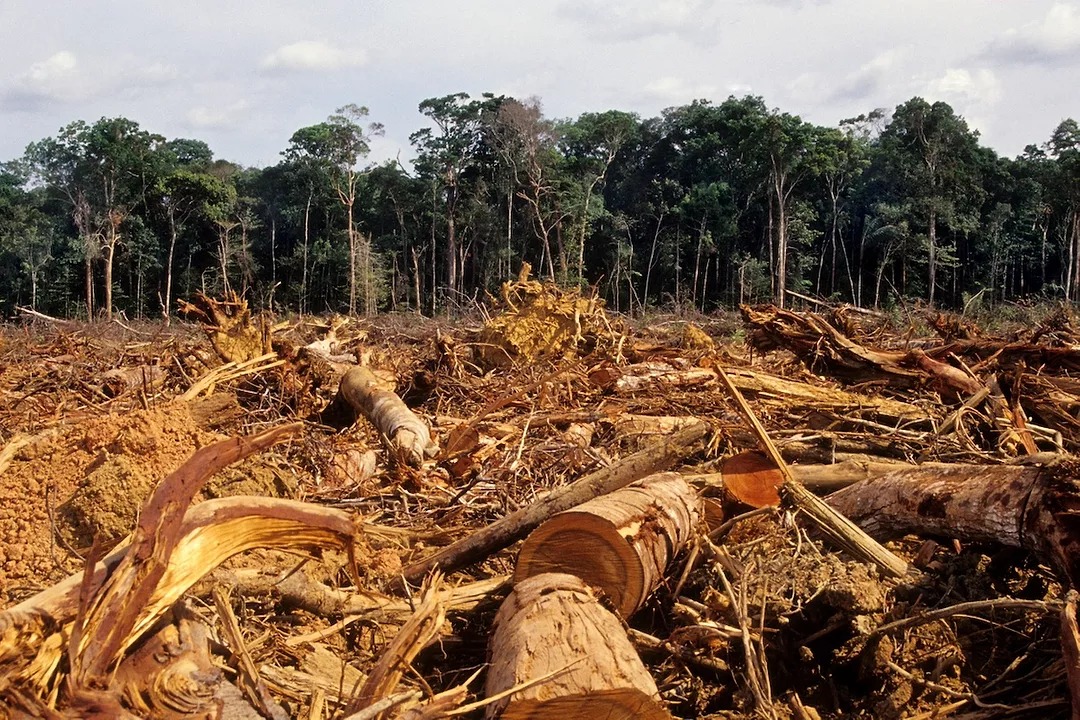
Eight global fashion and lifestyle brands are joining a new supply-chain transformation program aimed at reducing pressure on Ancient and Endangered Forests (AEFs). Marc O'Polo, Victoria's Secret & Co., Akyn, Mint Velvet, Spell, OUTnABOUT, DÔEN, and ICICLE are committing to radical change across both packaging and wood-based textile supply chains through an initiative led by environmental nonprofit Canopy. This decision is particularly significant given that trees used in paper packaging and Man-Made Cellulosic Fibers (MMCFs) production continue to be harvested intensively from climate-critical regions.
Under the initiative, brands are committing to completely phase out high-risk forest-sourced materials from packaging and textile supply chains in favor of lower-environmental-impact alternatives. Current paper packaging will be replaced with materials derived from wheat straw, agricultural residues, and recycled fiber; meanwhile, MMCF sourcing will accelerate toward AEF-free certified producers.
According to data presented by Canopy, the situation is striking:
Paper packaging alone accounts for 3 billion trees felled annually.
MMCF production consumes 150 million trees each year.
At least half of this volume originates from ancient and endangered forests.
The forests being harvested in this manner rank among the planet's most sensitive ecosystems in terms of carbon storage capacity, biodiversity, water cycles, and global climate stability. Rising demand from the fashion sector for packaging and materials threatens the long-term sustainability of these ecosystems.
Canopy founder Nicole Rycroft highlighted the initiative's importance, stating:
"These brands represent a new global momentum centered on embedding circularity, low impact, and forest protection at the heart of business models."
The initiative aims not only to deliver environmental benefits but also to secure supply security, raw material stability, cost resilience, and long-term supply-chain resilience for businesses. Climate change-induced supply shocks, in particular, are driving brands toward more agile, innovative solutions that reduce resource risks.
Another dimension of the program involves fashion brands deepening collaboration with next-gen material producers. Within this framework, companies will invest in wheat-straw and agricultural-waste-based paper packaging, next-generation textile fibers that reduce microfiber shedding, and completely forest-free material innovations. According to Canopy, these additional steps will not only lower the sector's carbon footprint but also accelerate the scaling of the eco-friendly packaging market.
Considering the fashion sector's significant consumption of MMCF products such as viscose, modal, and lyocell, the positive impact of this transformation on global forests is expected to be substantial. Brands joining the initiative will not only transform their own operations but will also incentivize their suppliers to align with AEF-free standards.
In conclusion, the initiative demonstrates that the fashion sector's supply-chain responsibility is entering a new phase. Rising pressure to protect climate-critical regions is directing brands toward a business model that is more transparent, more accountable, and minimizes resource risks. Expansion of this approach will pave the way for a more sustainable fashion ecosystem from both commercial and environmental perspectives.
Key Points
Eight global fashion brands committed to ending sourcing from ancient and endangered forests.
The initiative is coordinated by Canopy.
Annually, 3 billion trees are felled for packaging, and 150 million trees for MMCF.
Brands are transitioning to alternative materials such as wheat straw and recycled fiber.
The goal is to reduce environmental impact while achieving greater supply-chain resilience.
AEF-free standards will be mainstreamed across MMCF and paper packaging supply chains.
Author: SedatOnat.com

